


Niassa Special Reserve
Collaborative stewardship across Africa’s forgotten forest
When wildlife populations collapse, the conventional response is often to tighten control: bring in more enforcement, strengthen top-down management, treat communities as potential threats rather than partners.
However, when international poaching syndicates devastated Niassa's elephant population — from an estimated 12,000 in 2011 to just 3,150 by 2018 — the response required everything: government commitment deepened, intelligence-led operations were deployed to disrupt criminal networks, WCS was invited in by the Administracao Nacional das Areas de Conservacao to strengthen management and coordinate a landscape-wide approach, concessionaires committed resources, and local communities whose knowledge of the landscape proved essential were engaged as partners.
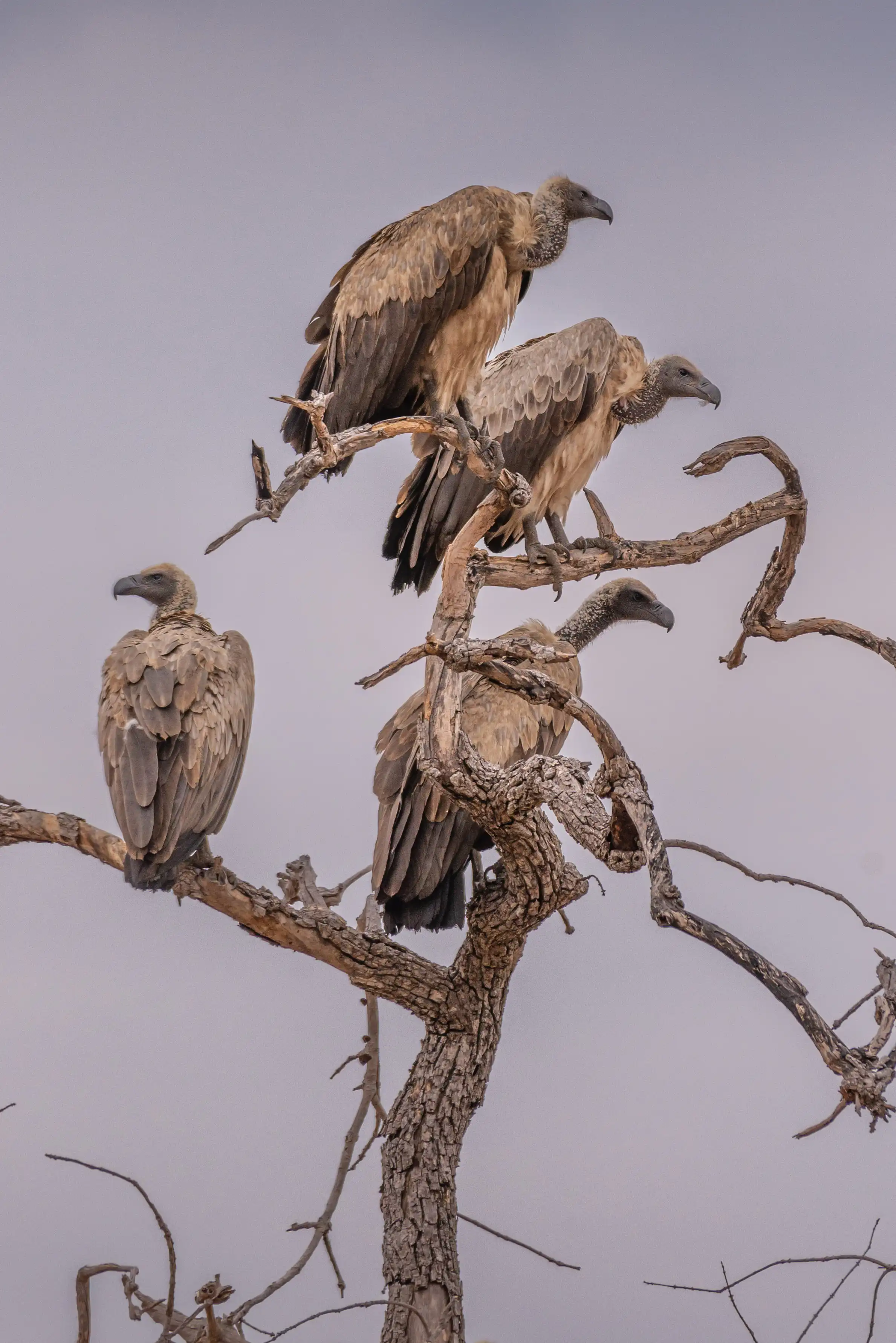
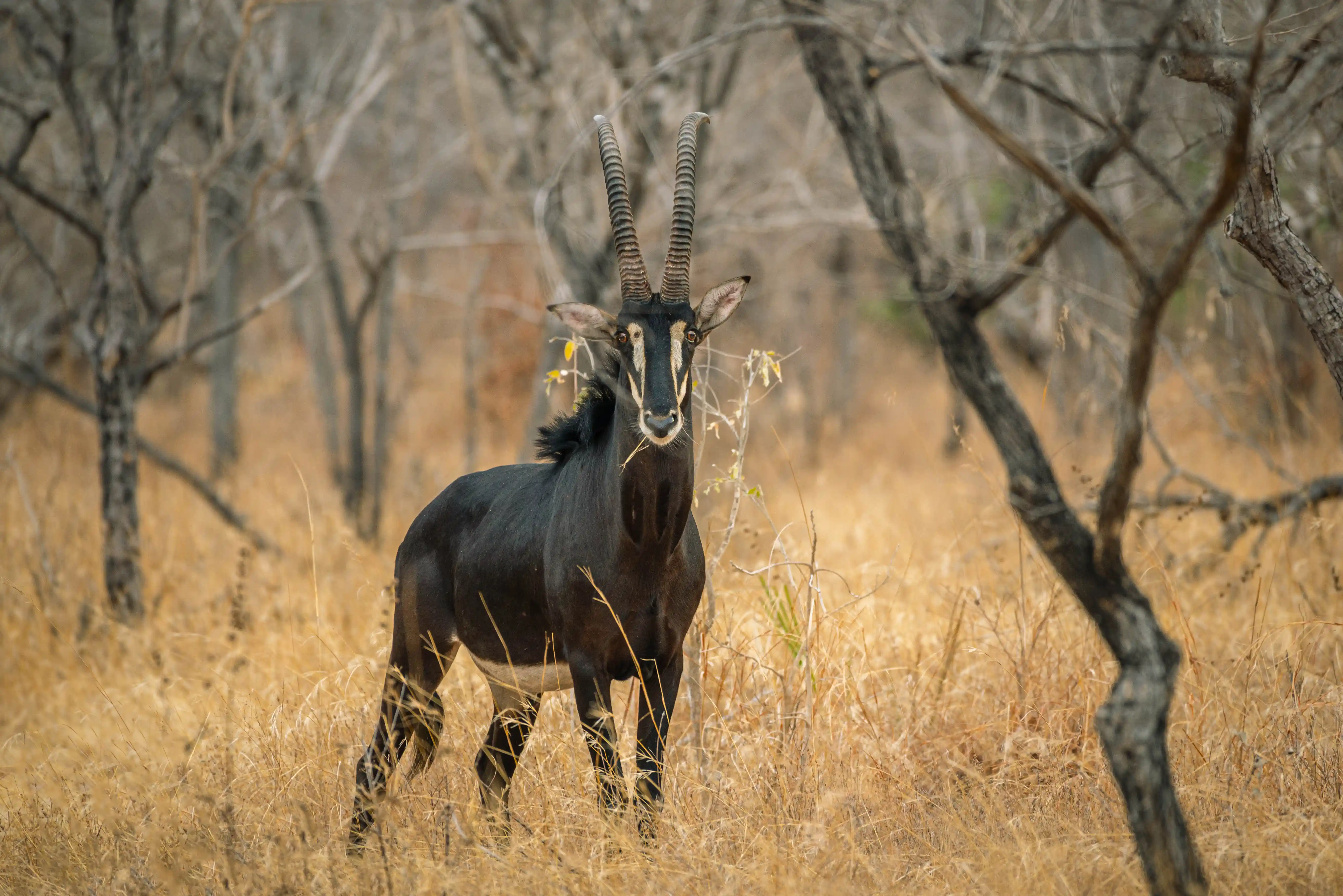
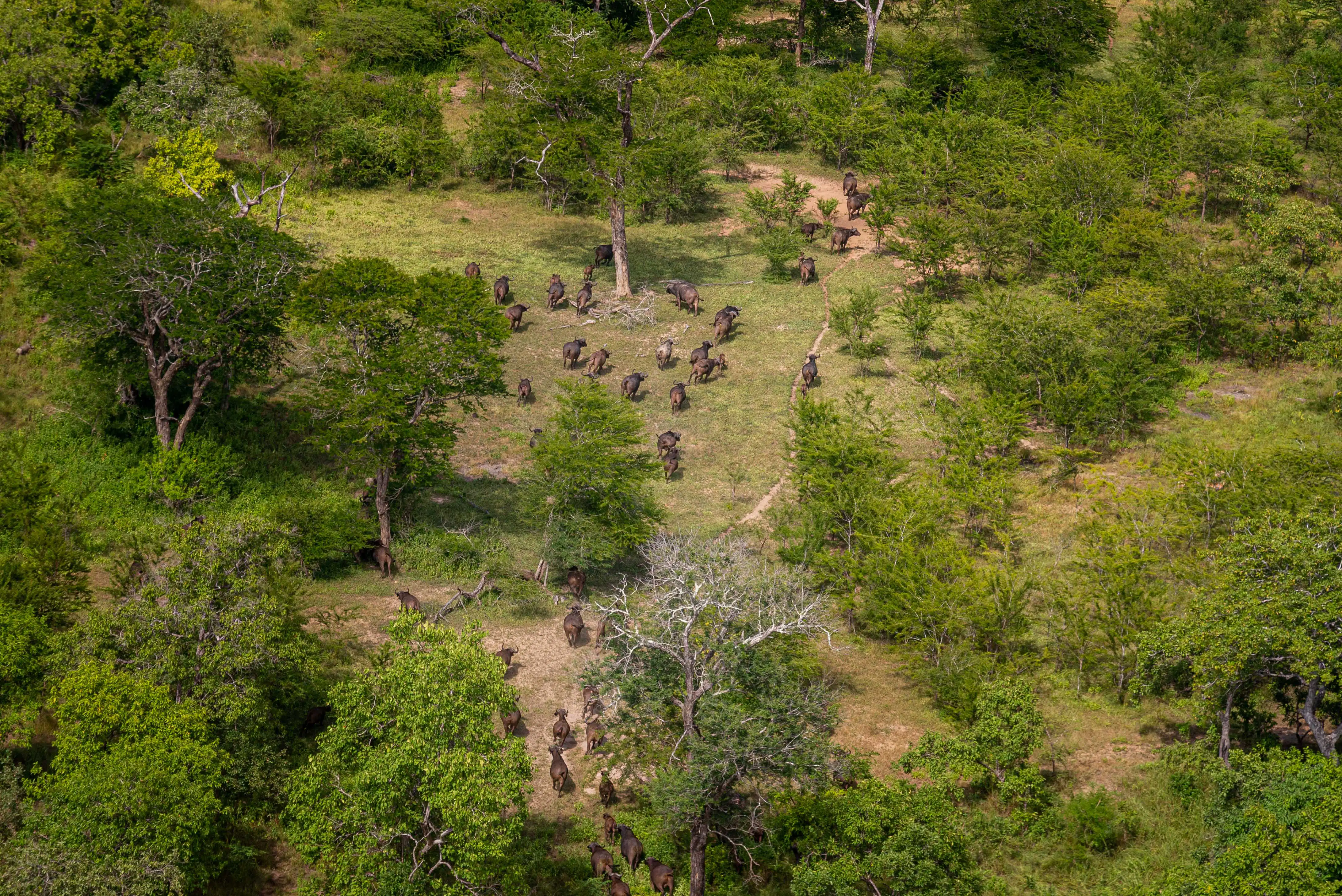
That combined effort worked. Since mid-2018, zero elephants have been poached — a record sustained for over five years. The population has recovered to 4,400 and is growing. Wildlife is returning to areas where it had vanished entirely, including buffalo — whose numbers have increased by over 230% since 2014.
The next chapter of Niassa’s story is about something deeper: whether communities can move from participants to authorities — holding genuine decision-making power over the landscapes they have always known best.
The challenge is: How do you coordinate conservation across 42,300 square kilometers, eight government districts and two provinces, multiple ethnic groups, tourism operators, and international organizations while maintaining local knowledge and authority?
Ancient wisdom,
modern conservation
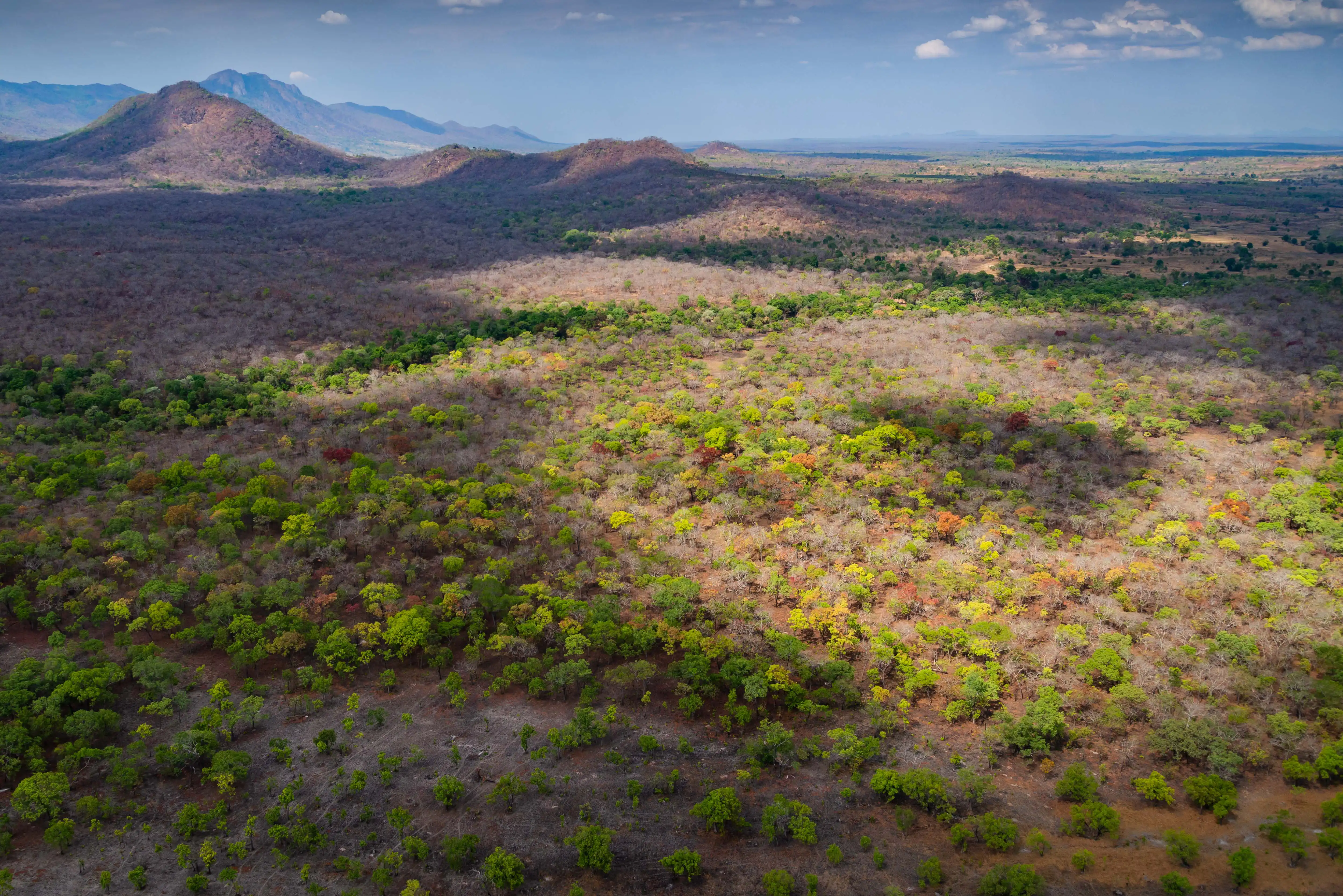
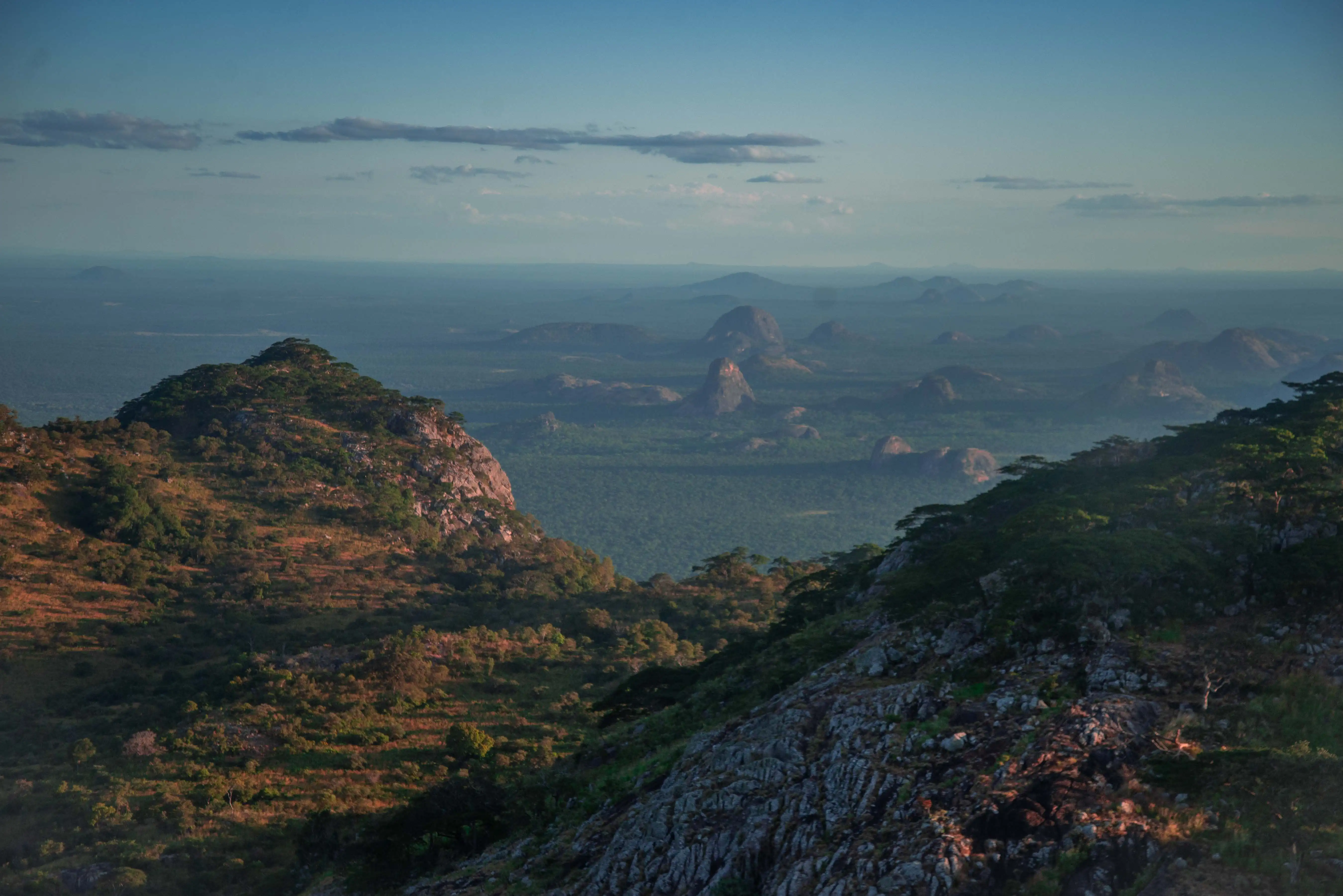
Walk through northern Mozambique's vast miombo woodlands and you're following paths worn smooth by countless generations — footsteps from hundreds of thousands, perhaps millions of years. Pottery shards scatter underfoot, fragments of vessels shaped by hands that knew these forests when the world was younger. These ancient trails wind past granite outcrops where cave paintings show elephants and buffalo that still move through these woodlands today, anchoring an ecosystem that stretches across eight countries and supports 300 million people.
The miombo forms the world's largest dry tropical forest, yet it remains largely invisible to global conservation attention. While the world focuses on rainforests, the miombo has lost 800,000 square kilometers – nearly a third of its area – between 1980 and 2020. Niassa Special Reserve protects one of the largest remaining intact pieces of this critical ecosystem.
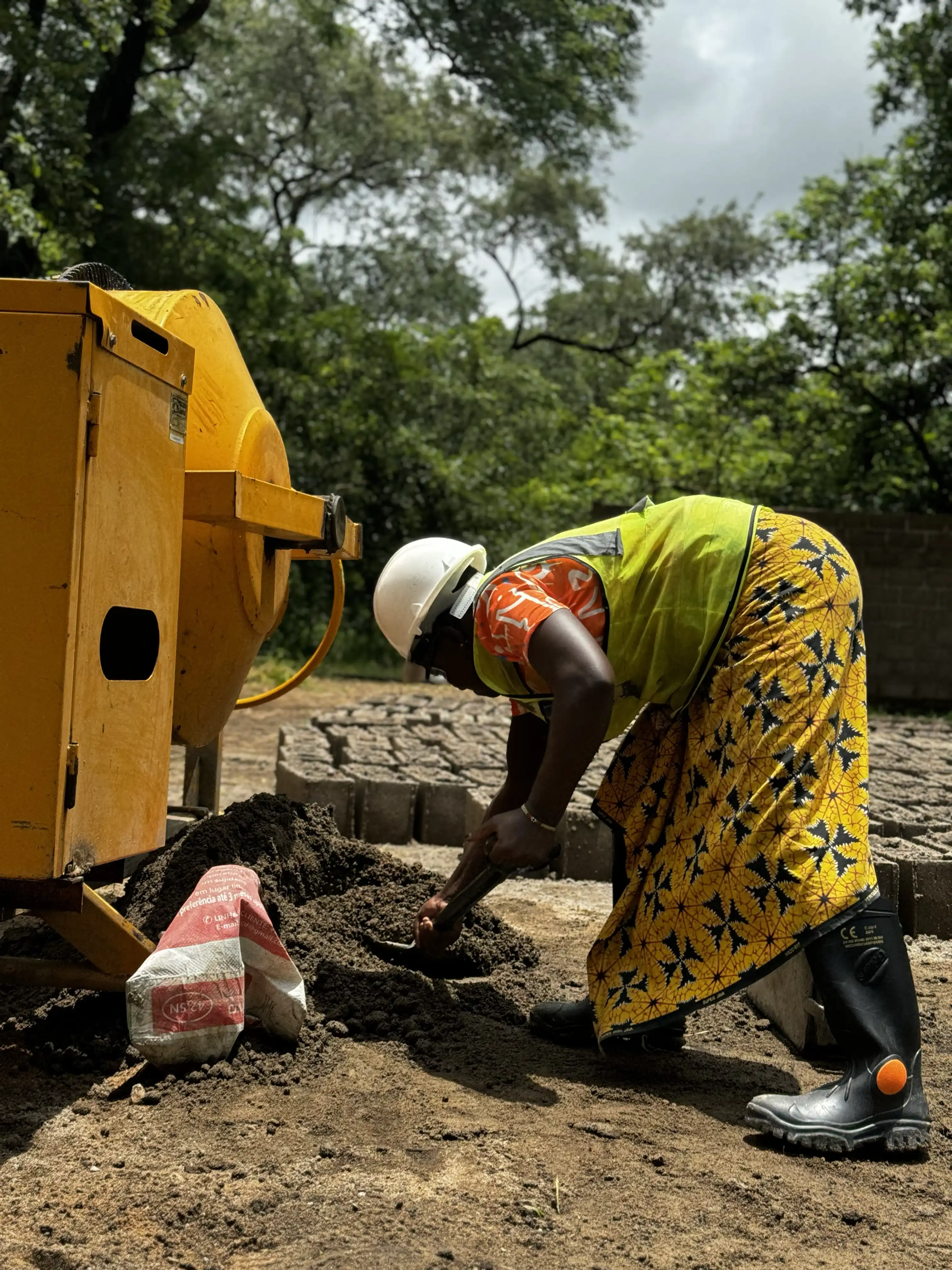
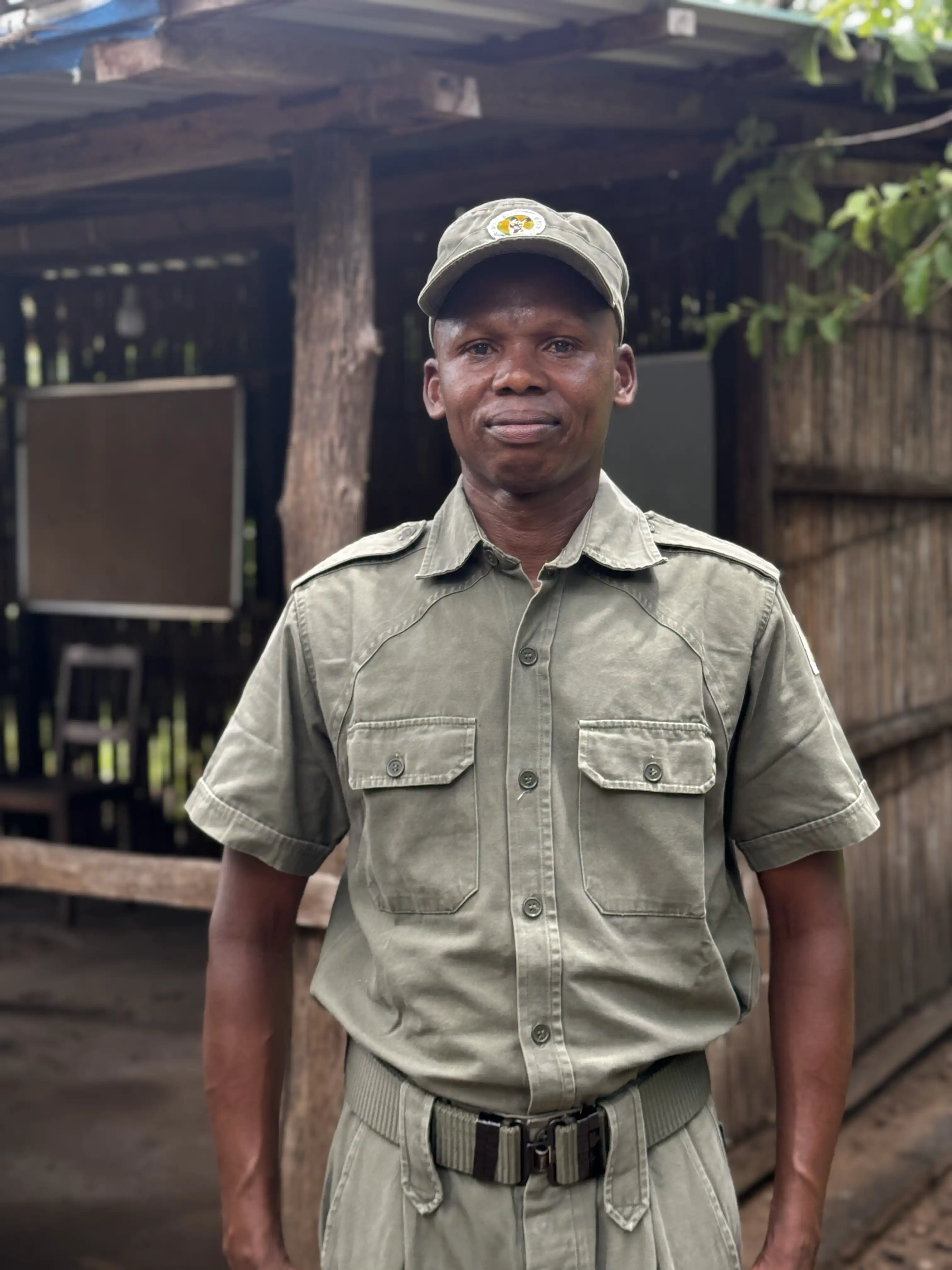
The Yao, Macua, Ngoni, Matambwe, and Makonde peoples have shaped these ecosystems through practices refined over centuries. In the dry season, honey collectors still climb towering baobab trees, guided by the calls of greater honeyguides – birds that lead humans to wild hives in exchange for honeycomb, one of nature's most remarkable examples of interspecies collaboration.This isn't folklore or romanticized tradition, it's sophisticated ecological management. Every hunting trail, every seasonal burn, every known water source reflects a deep understanding of how to live within natural systems.
But sharing space with Africa's megafauna presents daily challenges outsiders rarely consider. Tsetse flies make keeping livestock impossible. Elephants, buffalo and baboons raid crops with seasonal regularity. Lions pose genuine safety concerns for children walking to school.
And when international crime syndicates reached Niassa around 2009–2010, they targeted communities with few economic alternatives. Communities found themselves ambushed by syndicates offering immediate cash for ivory and bushmeat, their customary governance structures overwhelmed by external pressures backed by automatic weapons. Wildlife species suffered drops of two-thirds to three-quarters of their populations.
The response came from multiple directions: government enforcement including special forces disrupted the syndicates, while WCS — operational in Niassa from the end of 2012 — worked alongside concessionaires and communities to rebuild what had been lost. Together, they recognised something crucial: the very communities being overwhelmed by external forces held the key to sustaining the remarkable recovery.
Traditional stewardship hadn’t failed – it needed help.
Local authority,
Landscape scale
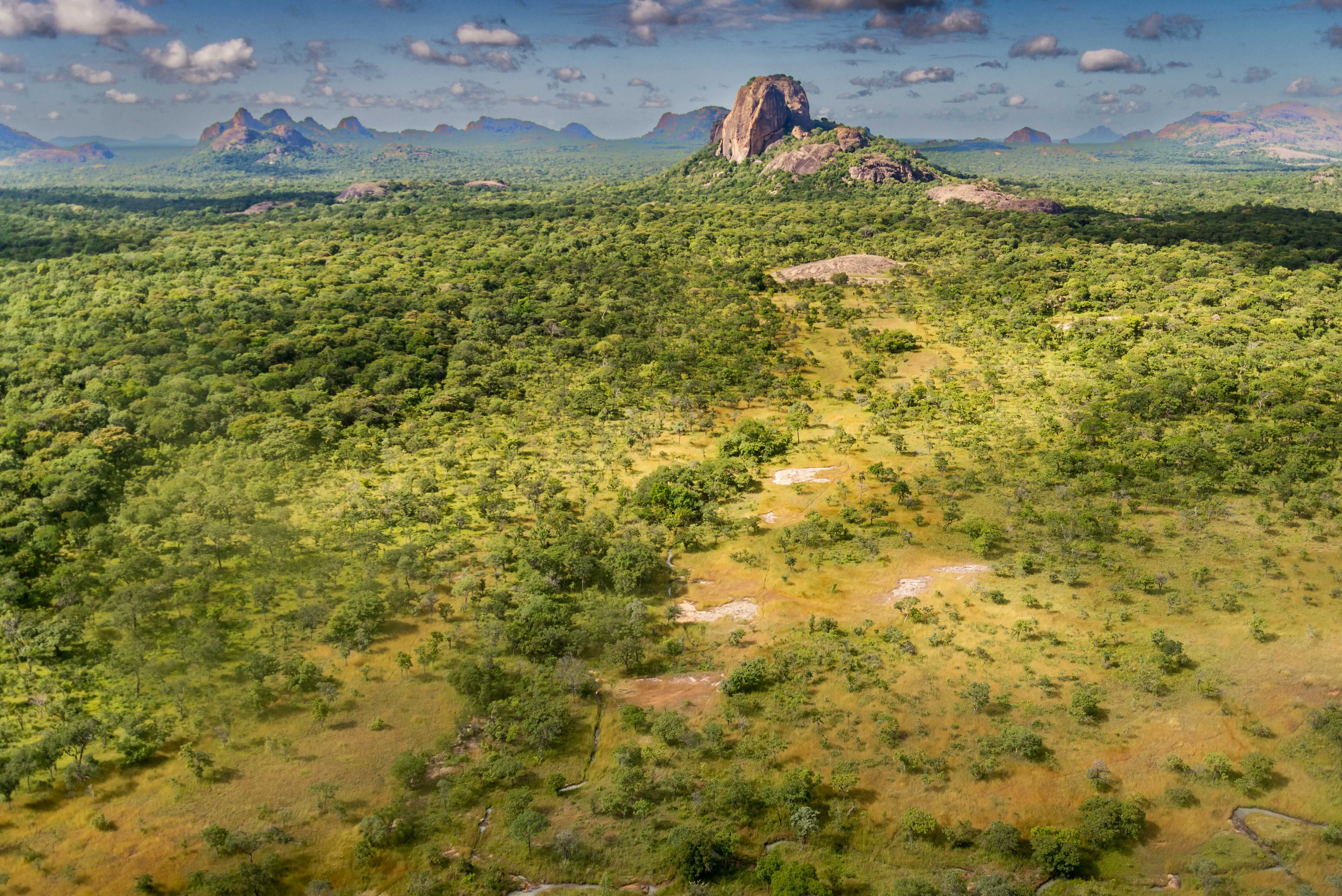
Niassa Special Reserve, which spans 42,300 square kilometers, is managed across 19 blocks by various operators – tourism companies, sustainable hunting concessionaires, international conservation organisations and government agencies. This federated approach has proven it can coordinate conservation across a landscape larger than Switzerland, allowing tremendous diversity while maintaining shared goals.
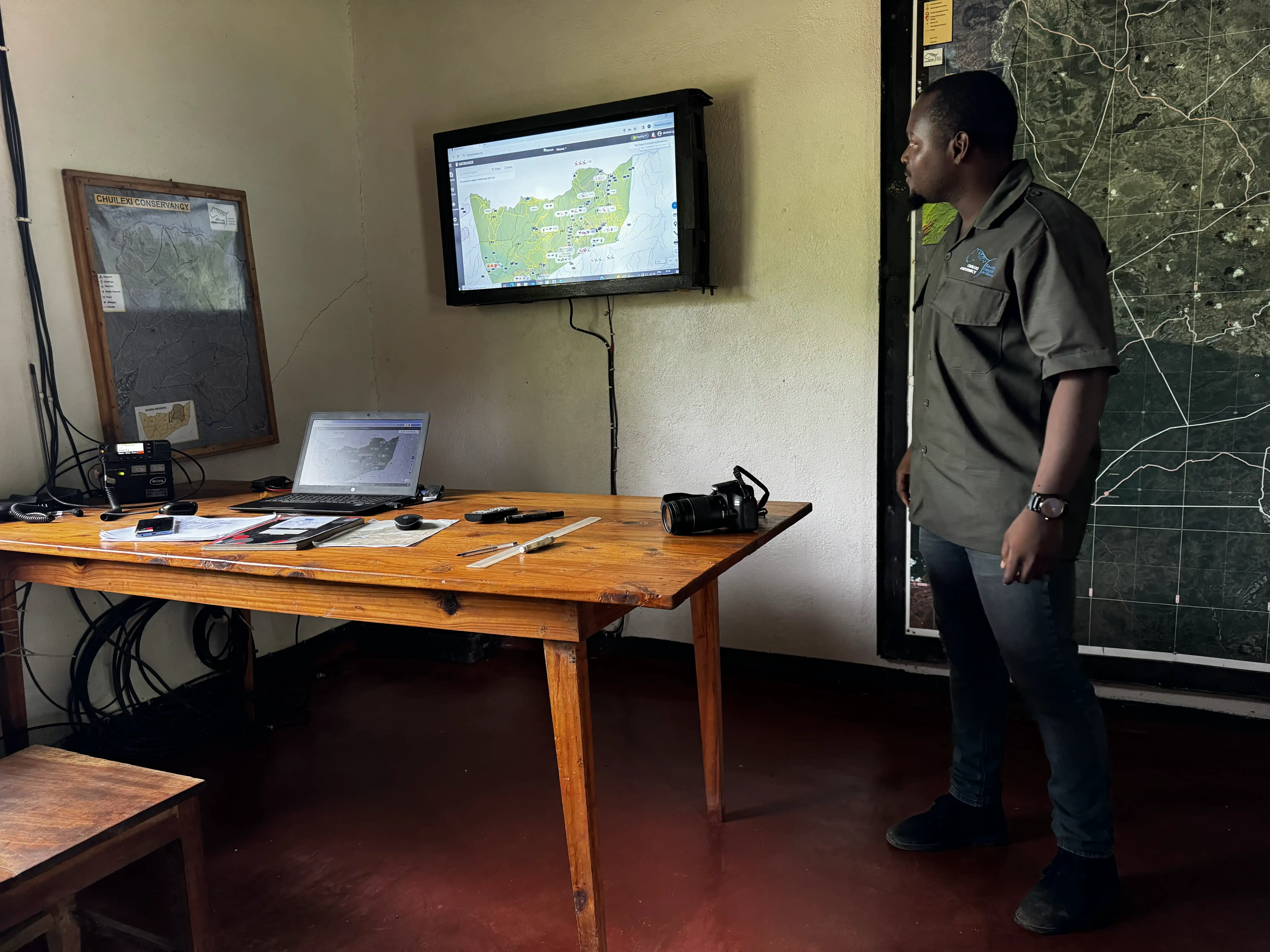
Anti-poaching efforts coordinate across boundaries. Wildlife monitoring follows shared protocols. Revenue flows through transparent systems. Coordinating across this complexity requires governance rooted in Mozambique itself.
At the request of the Mozambican government, WCS is helping establish a Mozambican entity, a new special purpose vehicle, to manage the reserve as a whole — a national solution that must ultimately deliver for Mozambique and its people.
for Mozambique and its people.
But the real measure of this approach does not solely lie in its governance. It is in what happens when communities hold the power within those coordinated blocks. And the most ambitious example is taking shape in two villages where families have navigated living alongside elephants for generations.
%20Frank%20AF%20Petersens%20copy.webp)
Cuchiranga and Lisongole: Communities driving
collaborative stewardship
Each farming season brought the same heartbreak: months of careful crop tending, only to wake one morning to fields destroyed by buffalos moving toward the Lugenda River. Traditional methods of scaring elephants – shouting, banging pots, lighting fires – provided temporary relief at best.
Then the residents of this community decided to innovate a different outcome. Working with WCS and government partners, villagers spent time fencing their agricultural fields to protect their crops from being raided by wildlife around their entire farms. The fences protect crops without harming elephants, who simply walk around it on their ancient migration routes. Community conservation funds earn revenue from tourist visits, receive bonuses for wildlife sightings, and collect payments for poaching-free months. When elephants pass safely through traditional corridors, communities see immediate financial benefits rather than just crop losses.
With WCS’s help, Lisongole and Cuchiranga are becoming part of the first community-managed conservation concession inside the protected area.
For the first time, local people will hold legal authority to manage their ancestral lands, collaborating with WCS and government partners for technical support and necessary resources.
Two structures work in tandem: at landscape scale, a Mozambican entity coordinates across the entire reserve; at the local level, a community concession is starting to transfer genuine authority directly to the people who live here.
This structure recognizes that Niassa must deliver for Niassa — as much a community development programme as a conservation one. The real transformation happens when communities hold the power, because when it's your home, conservation isn't a job — it's health, growth, and legacy.
People protecting their ancestral lands make decisions across generations, with investment in long-term sustainability because communities will live with the consequences. This approach draws on ecological knowledge passed down across centuries. Adaptation to changing conditions happens quickly because decision-makers live on the land.
Early results, Bigger questions
Across Niassa, the transformation is measurable:
This turnaround is happening with the ~70,000 people living in the reserve, not despite them. Conservation gains at landscape scale are possible when stewardship and responsibility rest with local communities – and often proving more effective than alternatives. Communities with generations of ecological knowledge make better decisions when given both the power to act and coordinated support systems.
Cuchiranga and Lisongole point toward broader possibilities. If community authority works in one block, it can work across more. If successful across Niassa's vast landscape, it could help transform governance in the broader miombo ecosystem spanning 800,000 square kilometres of climate critical forests.
This shift from external management to community self-determination changes everything about how conservation actually happens on the ground.
Niassa's elephant population has
stabilized and is starting to recovering
When international poaching syndicates devastated Niassa's elephant population — from an estimated 12,000 in 2011 to just 3,150 by 2018 — the response required everything. WCS was invited in by the Administracao Nacional das Areas de Conservacao to strengthen management and coordinate a landscape-wide approach.That combined effort worked. Since mid-2018, zero elephants have been poached — a record sustained for over five years. The elephant population has recovered to 4,400 and is growing. Wildlife is returning to areas where it had vanished entirely.

elephants
Scaling resilience
This is just the beginning. Chuciranga and Lingosole represent two communities among dozens across Niassa, one reserve among hundreds across Africa. But it proves something critical: transferring authority to local communities doesn't fragment conservation efforts, it creates more effective conservation.
The economic mechanisms and legal frameworks that make community authority possible didn't exist when WCS began working in Niassa in 2012. Now they're being replicated elsewhere, fundamentally changing how conservation works: from consultation with communities to legal authority for communities, from managing areas separately to coordinating across entire ecosystems.
The future is local
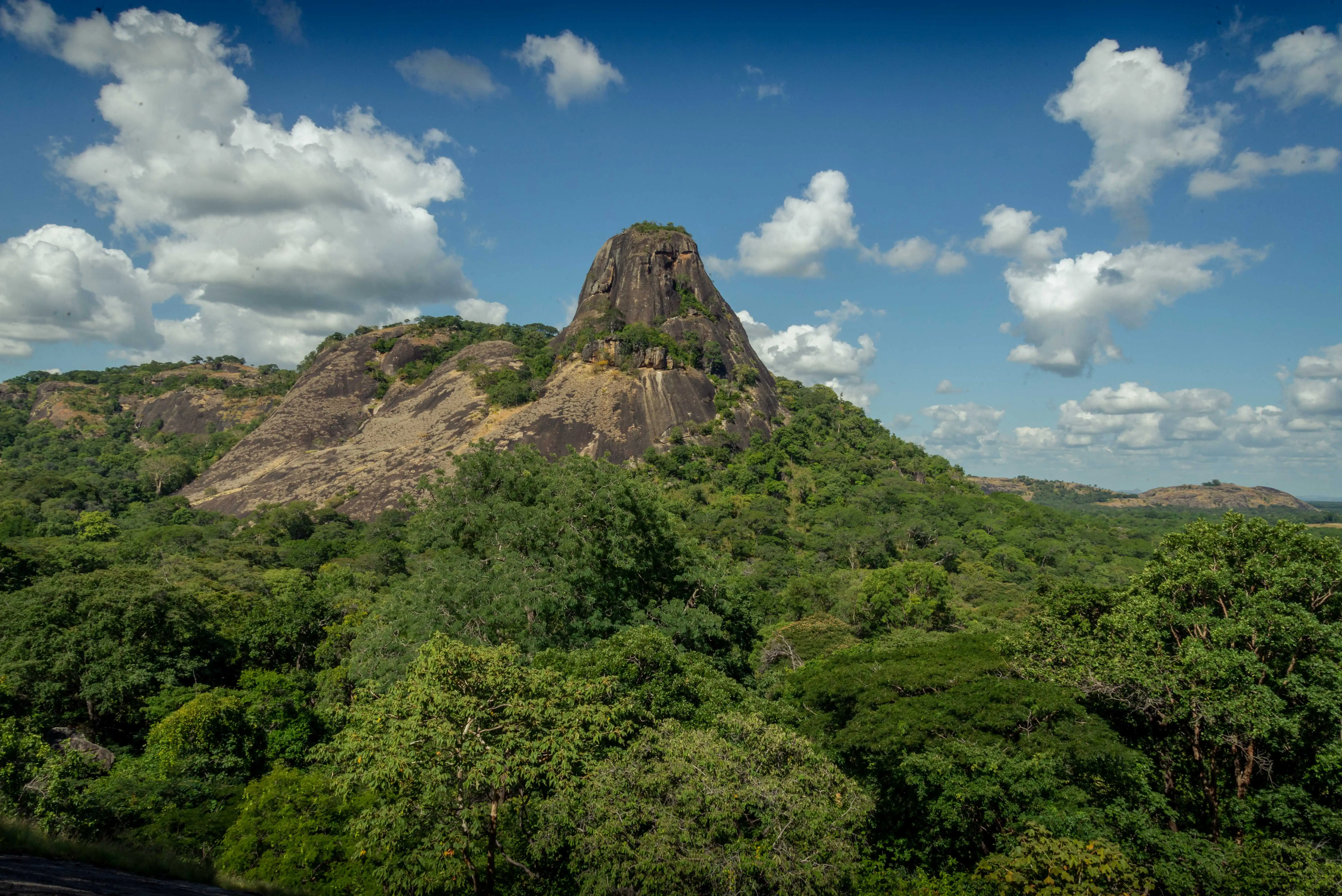
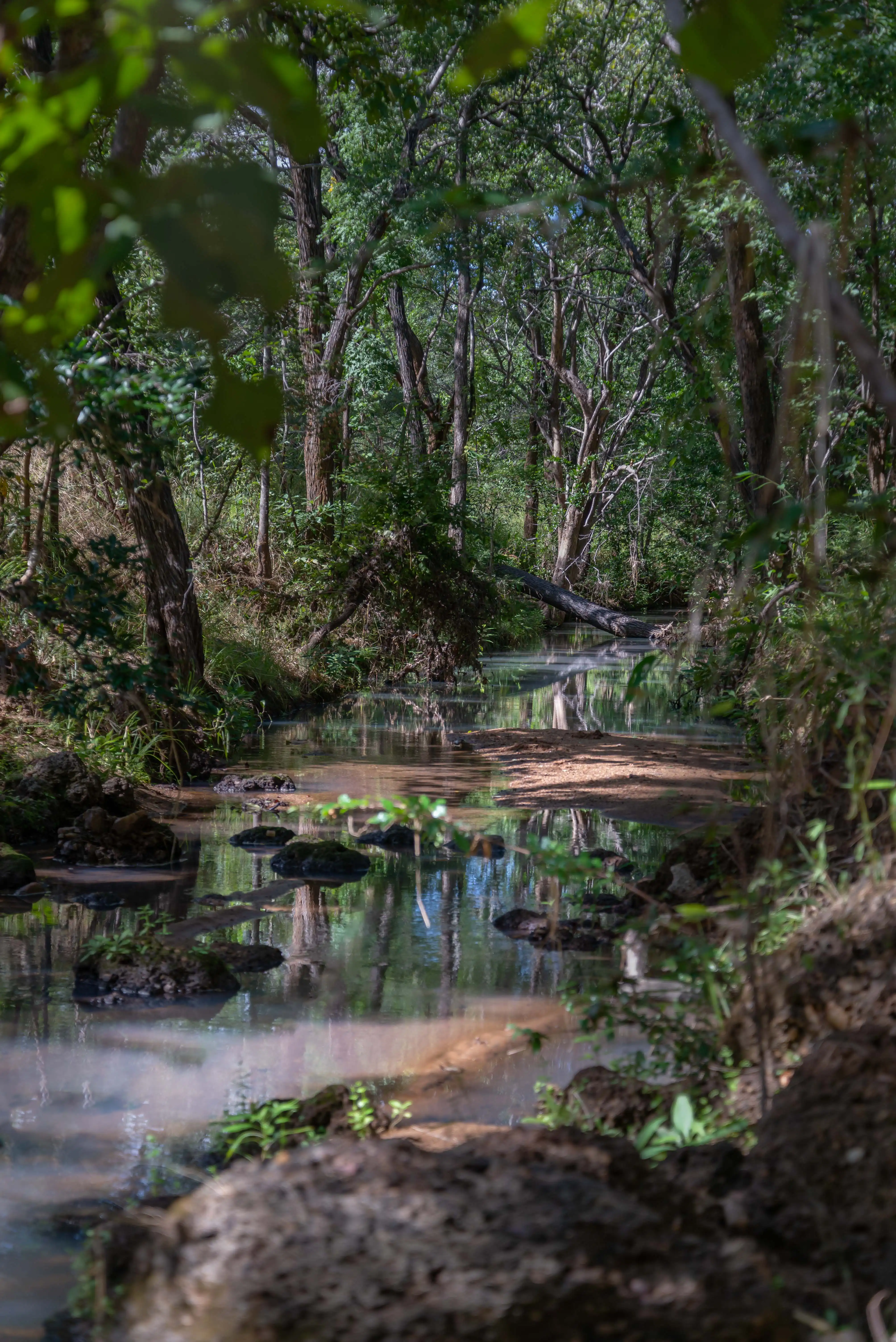
Stand on Mount Mecula at sunset, watching elephants move through lightly wooded grasslands while fish eagles call across the Lugenda River valley, and clouds hug inselbergs scattered throughout the landscape, you witness conservation's future taking shape.
The ancient trails across northern Mozambique still carry people through the forest. Now they might also carry hope for landscapes everywhere – built on the wisdom to recognize who really knows these landscapes best, and the structures to support their authority at the scale that nature’s global recovery demands.
.webp)
%202%20copy.webp)