
Our Approach
Our effectiveness is born from a duality that makes us unique: the relationships and expertise that come from long-term field commitment, paired with the credibility and vision to reshape the systems that govern and finance nature.
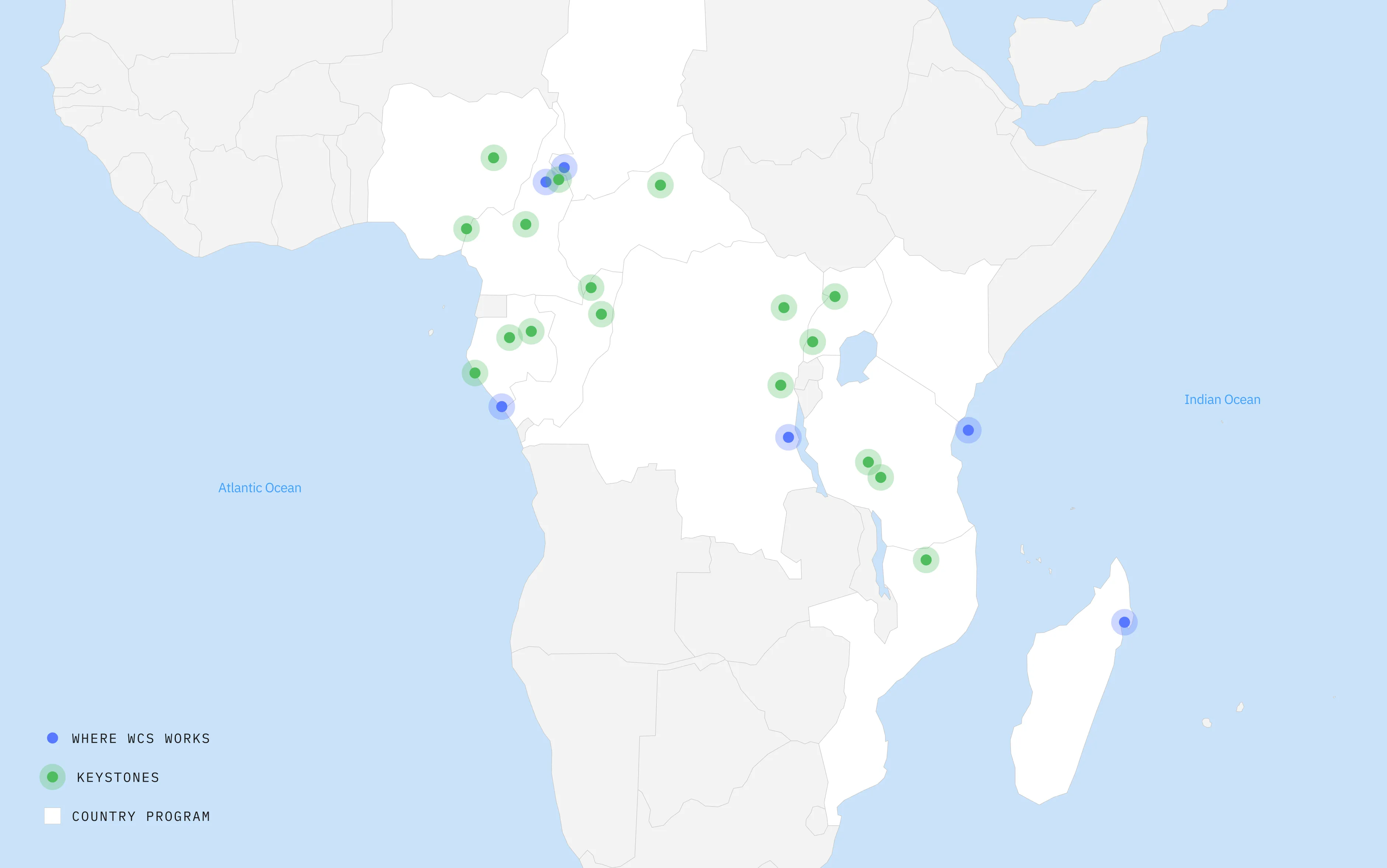
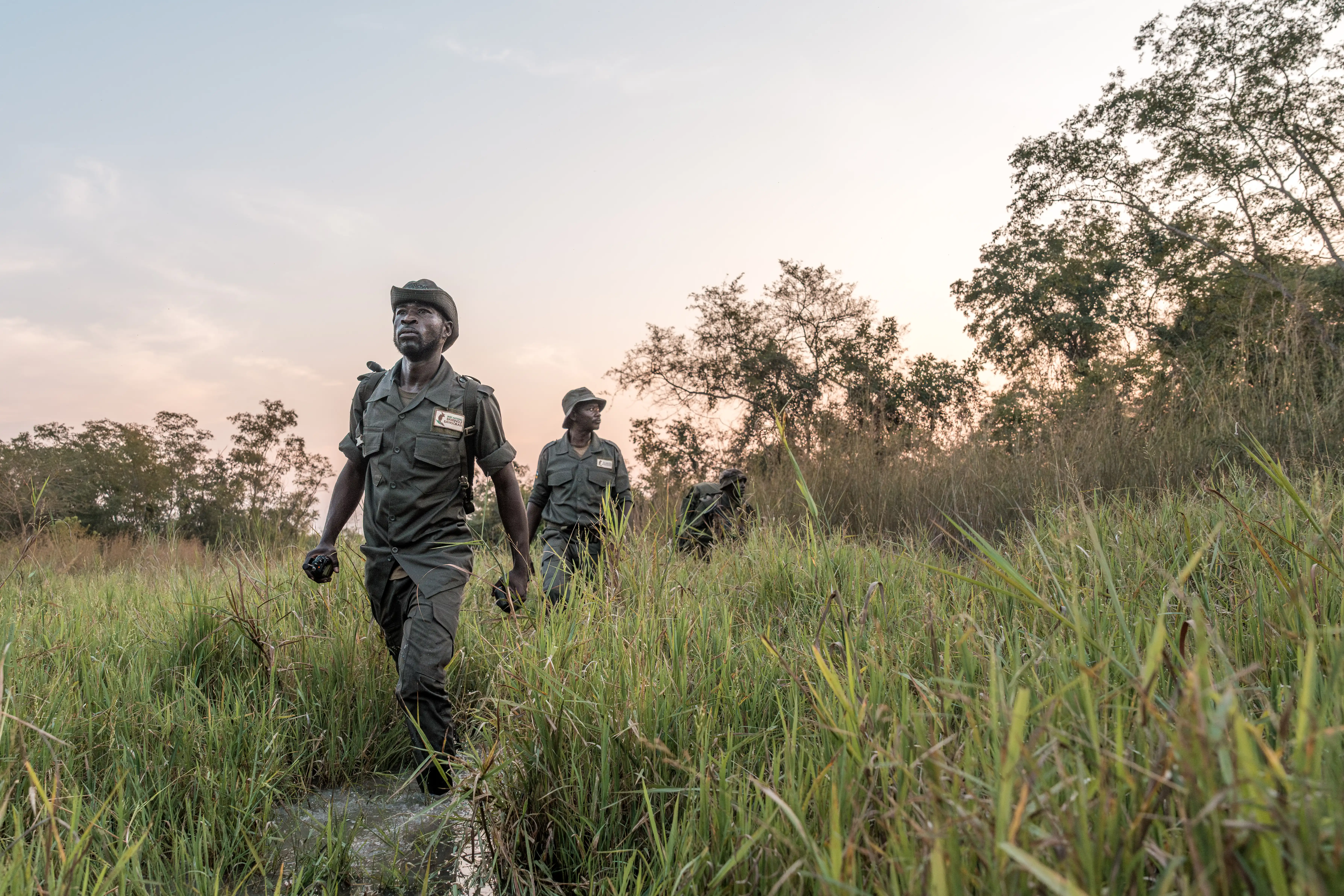
With predominantly local staff, we commit long-term to protecting and restoring the most important places for nature — even through security crises and political events that force many organizations to exit. This continuity builds trust, institutional knowledge, and scientific understanding, all of which are essential for protecting nature in complex contexts.
.webp)
Protected areas,
strategic anchors
Within this portfolio, Protected Areas function as anchors: sites whose ecological importance far exceeds their geographic footprint. Irreplaceable for species’ survival. Critical for the connectivity that keeps entire landscapes functioning. Foundations for climate resilience.
When well-managed, they radiate benefits outward: strongholds for recovering wildlife, sources of ecosystem services for surrounding communities, and fostering conservation models that can scale.
No isolated islands
The future of each protected area and the wildlife it contains depends on the lands, waters, systems, and people that surround it. In many landscapes, the protected core still holds, but the pressures tightening around it will determine whether it can continue to do so.
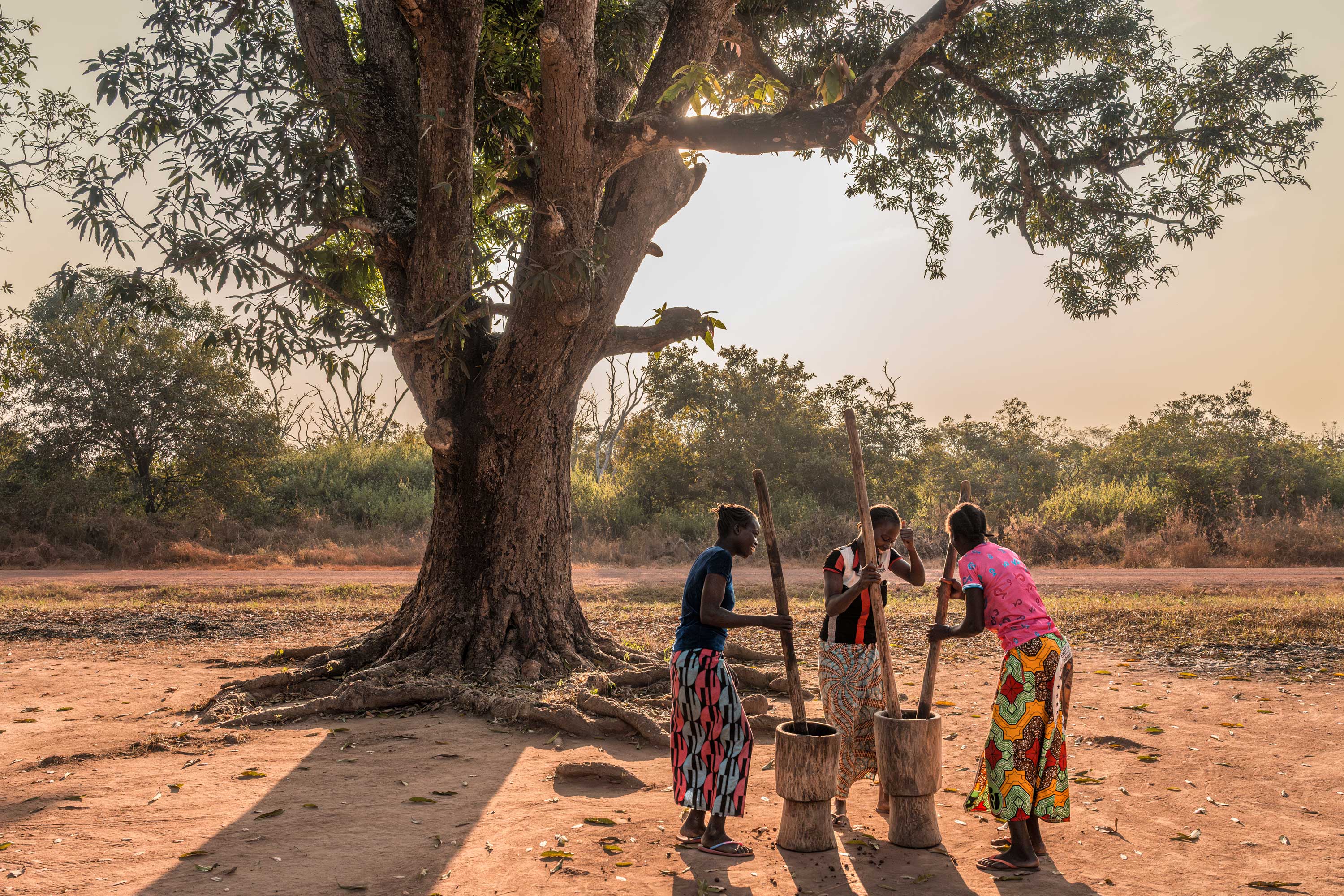
Protected Areas anchor this broader system. WCS treats them not as isolated endpoints but as starting points where their resilience becomes the foundation for continental-scale recovery: landscapes that reconnect, wildlife populations that recover across borders, and communities that lead the stewardship.
%20Frank%20AF%20Petersens%20copy.webp)
Innovative finance and
governance models
Beyond protecting individual landscapes, WCS is building the financial and governance infrastructure that allow conservation to succeed at a continental scale: creating markets that value intact ecosystems, channeling resources directly to communities and national institutions, and establishing legal frameworks where local authority drives lasting stewardship.
Scaling what works
We measure our success not by how long we stay, but by what endures after we leave.
In every landscape where we hold management mandates, we work toward the day when national institutions and communities lead. That means building local technical capacity, establishing revenue streams that flow directly to managing authorities, and putting governance structures in place that outlast our presence.
Governments invite us because we bring technical expertise, long-term commitment, and a track record of delivery. Our role is to support their ambitions: proving what works, building national capacity, and connecting successes across borders.

This is how individual sites become the backbone of continental recovery.