
Our Impact

We work in some of Africa's most difficult contexts — places where others leave and the stakes are highest. It's precisely here where sustained presence makes the greatest difference.
There is genuine reason for optimism: wildlife rebounds after decades of decline, communities gain authority and income, governance reforms take root, and finance mechanisms transition from concept to infrastructure.
The decade ahead will determine whether these models scale or remain exceptional cases. The evidence below shows why scaling is within reach.
sub-Saharan Africa
of which 93% hired locally

%20copy.webp)


Africa Keystone
Protected Area Initiative
Under the Africa Keystone Initiative, we are strengthening collaborative management across six protected areas covering 6.7 million hectares of Africa's most irreplaceable landscapes — places whose ecological impact radiates far beyond their boundaries.
In Tanzania, the government approached us directly — the first organization invited to negotiate this kind of agreement in the country. These invitations don't come from proposals. They come from decades of presence and a level of trust that takes years to build.
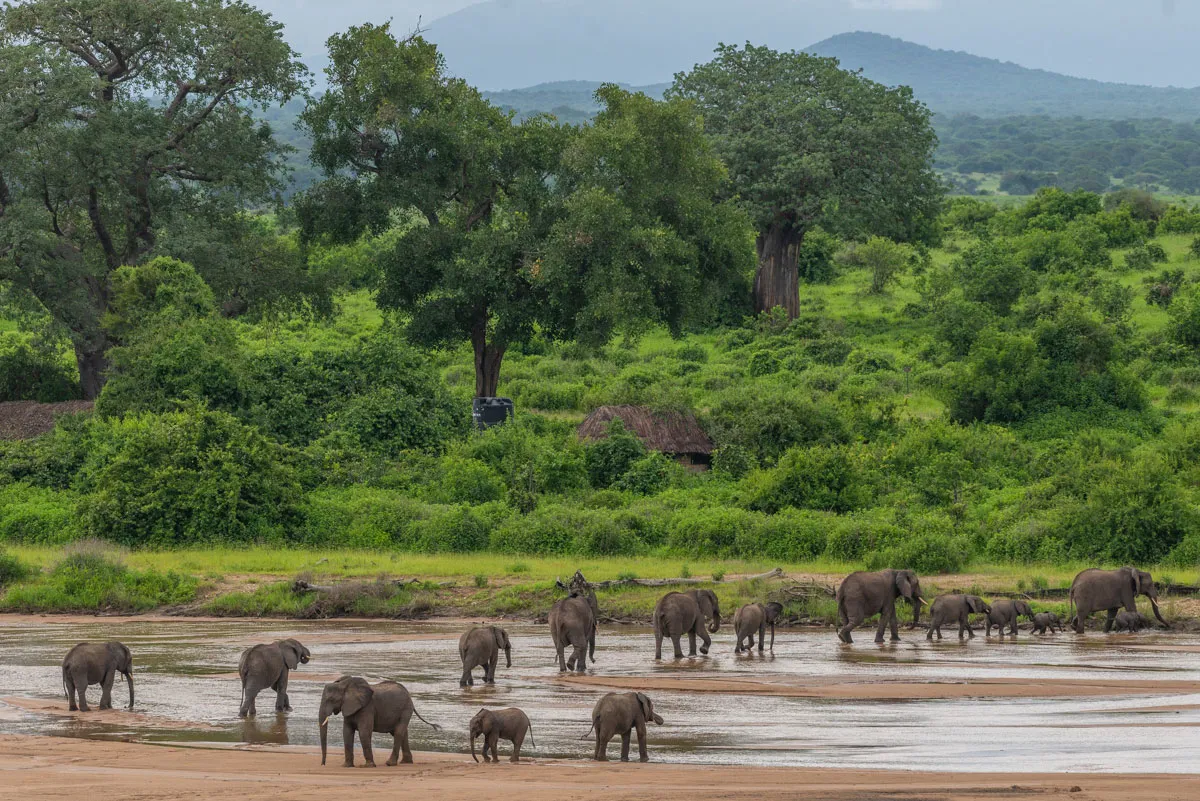
Gabon: A watershed moment
After decades of sustained engagement, building on our work helping create these parks over 20 years ago, we signed partnership agreements for management contracts covering four of Gabon's most exceptional national parks: Ivindo, Loango, Lopé, and Mayumba.
WCS has supported major conservation milestones in Gabon since the 1980s. When the country made its bold decision to create 13 national parks in 2002 — a sweeping commitment that put almost 90% of this wall-to-wall tropical forest nation under some form of protection — we helped develop that vision.
Now, with these new management agreements, we can help realize the country's vision we helped develop over two decades ago: recovering these exceptional parks, bringing new financing models through tourism and market mechanisms, and ensuring benefits flow to local communities. These will be Gabon's first such agreements, building on models we pioneered together with our government partners in the Republic of Congo's Nouabalé-Ndoki and the DRC's Okapi and Kahuzi-Biega. This is what twenty years of long-term partnerships makes possible.

Advancing marine protection
Our ocean work advanced significantly this year as we continued working toward ambitious goals of increasing marine protections.
In Zanzibar, we helped establish two new Marine Protected Areas in the Pemba Island Biodiversity Hotspot covering over 1,300 km² of critical marine ecosystems. The significance lies not just in scale but in process: both MPAs were co-developed and co-managed with local communities through some of the most extensive consultations in Zanzibar's marine history — demonstrating that protection and community authority can advance together.


The year delivered compelling data that our long-term commitments are ensuring well-managed protected areas deliver. Across our priority landscapes, wildlife populations are rebounding at scale. A validation of what happens when protection holds and communities are engaged.
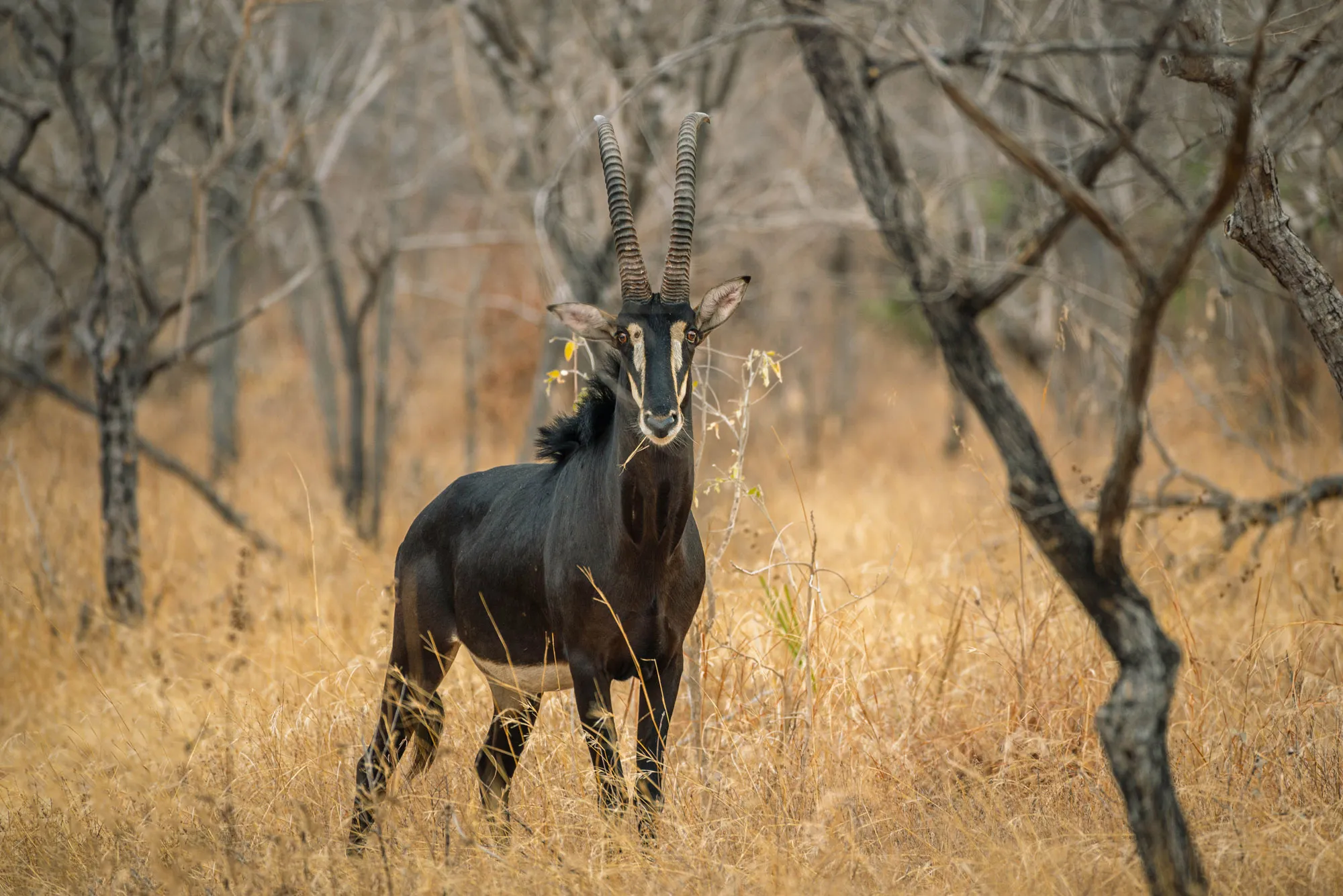
Niassa, Mozambique
In Niassa, the pattern is unmistakable:
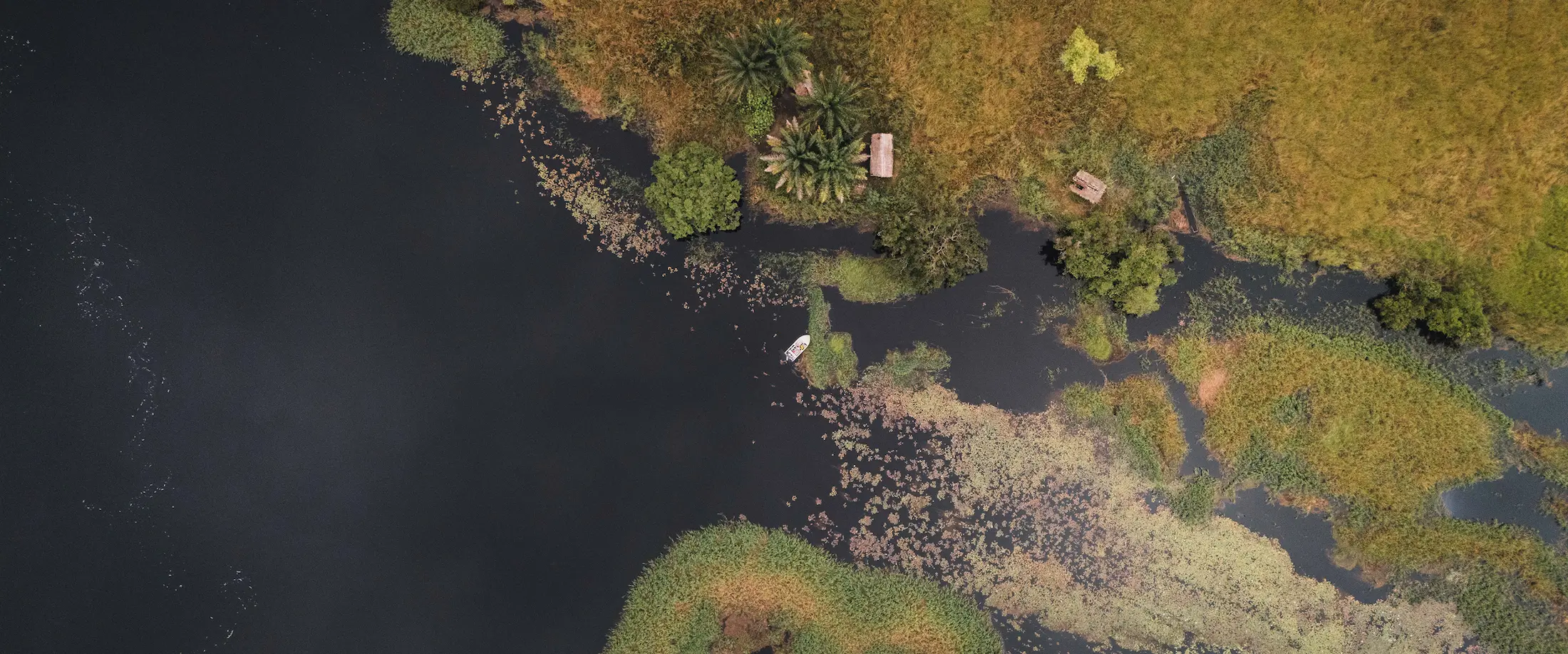
Ndoki, Congo
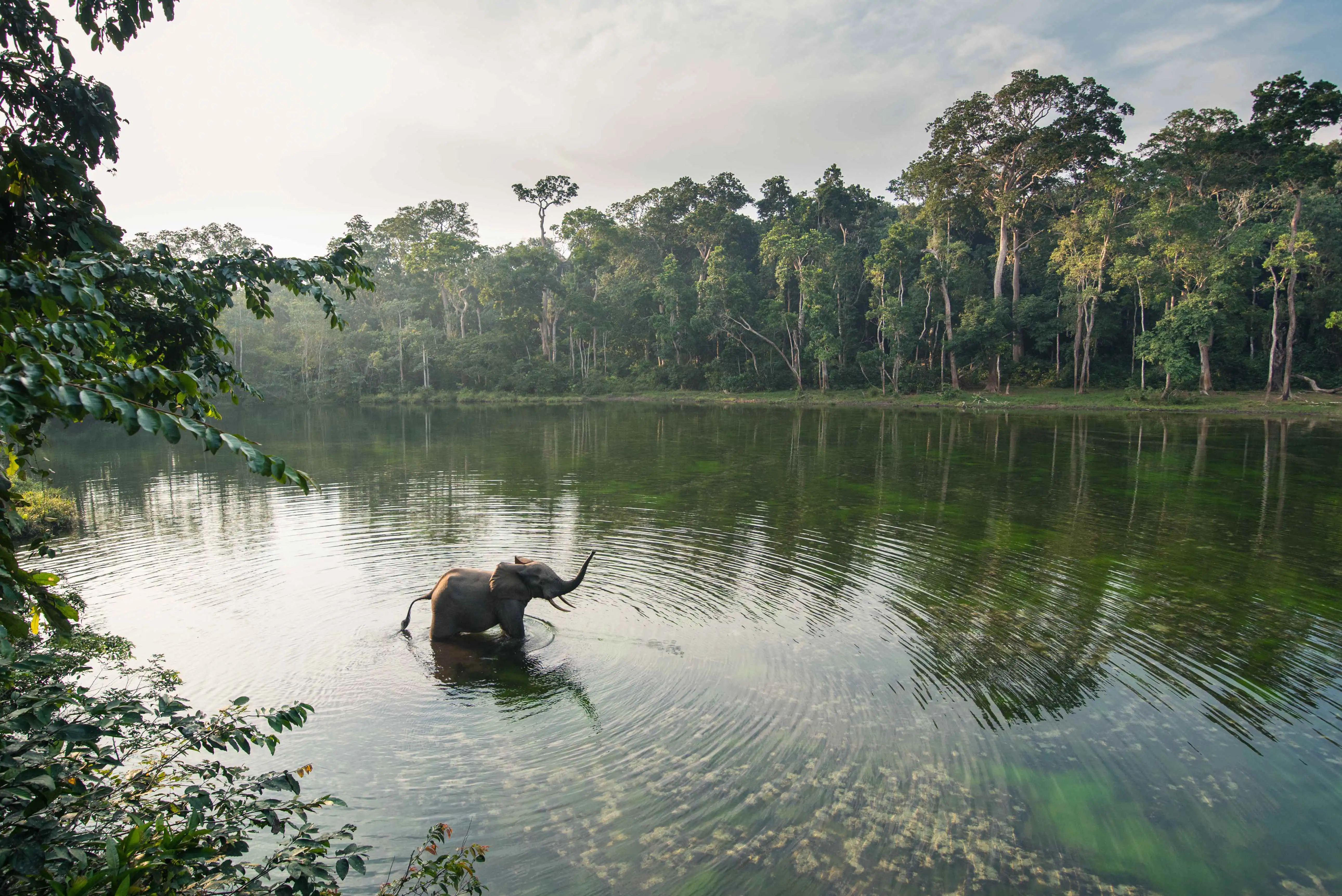
In the Republic of Congo’s Nouabalé-Ndoki, forest elephants remain stable with early signs of increase despite regional declines.

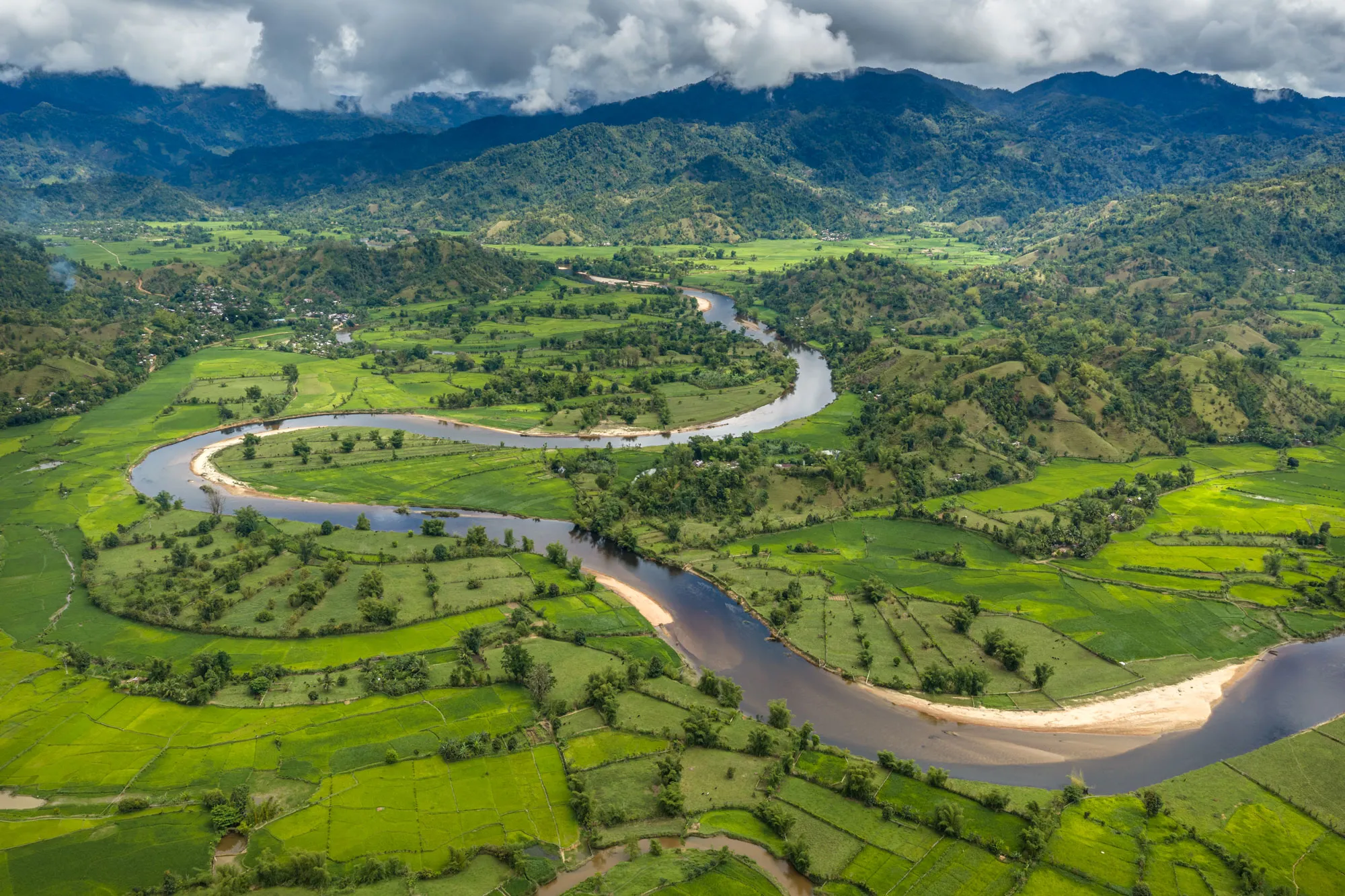
For nature to endure, finance has to recognize the real value of nature and invest in the people and structures that keep landscapes and seascapes intact.
WCS is helping pioneer finance mechanisms that create more durable pathways, with a focus on channeling resources to the communities and national institutions that manage landscapes on the ground.
.webp)
Momentum in Madagascar
In Madagascar, our forest conservation finance work reached an important inflection point with the Makira Natural Park REDD+ Project unlocking climate financing for local communities through carbon credit sales. In the MaMaBay landscape, carbon finance is generating revenues for both protected area management and for over 90,000 people managing forests – demonstrating how well-designed mechanisms can strengthen community-led stewardship while generating measurable income.
Building on over two decades of work developing high-integrity REDD+ projects, we secured a landmark $8 million commitment from Rio Tinto to fund technical processes that will lead to historic carbon credit sales from the Makira Natural Park REDD+ Project in northern Madagascar. The Rio Tinto commitment represents validation that well-structured, high-integrity carbon projects can attract investment at levels that make landscape-scale conservation financially viable.
Emerging climate finance
WCS pioneered the High Integrity Forest Initiative (HIFOR), which creates tradable units representing one hectare of well-conserved, high-integrity tropical forest. Unlike carbon credits that reward reductions in deforestation, HIFOR values forests that remain healthy — creating an economic incentive to maintain ecological integrity rather than waiting for degradation before investment becomes viable.
The first Africa pilot is underway in Nouabalé-Ndoki in partnership with the Government of Congo.
Direct funding to communities
and park authorities
Conservation financing has fundamentally shifted with the Community Fund for Forests (CFF) in the Democratic Republic of Congo. As the first national mechanism of its kind in the DRC, the CFF channels financial and technical support directly to Indigenous Peoples and local communities managing high-integrity forests, anchored within national financial systems rather than bypassing them.
By the end of 2025, 22 community groups across Équateur and North Kivu were receiving support, covering 260,000 hectares of community-managed forest. Communities chose their own priorities: small-scale livestock, fish farming, transport for forest products. .

WCS anchors its approach in a simple but transformative premise: ecosystems endure when communities hold genuine authority — legal, financial, and institutional — over the places they depend upon. We work with governments and local partners to build governance models that shift power, strengthen institutions, and align national policy with community priorities.
AND AUTHORITY FOR COMMUNITIES
In Niassa Special Reserve, which protects one of the largest intact pieces of the miombo — the world's largest dry tropical forest, sustaining 300 million people across eight countries — WCS and the Administracao Nacional das Areas de Conservacao are establishing Mozambique's first community-managed conservation concession inside a protected area.
Communities whose ecological knowledge has sustained these landscapes for generations will have genuine authority to manage their ancestral lands. The governance model aligns community rights with landscape-scale protection and is now informing national discussions about the future of protected area management.
LANDSCAPE GOVERNANCE STRUCTURES
Historically, many countries made conservation decisions far from the landscapes they affected. WCS helps governments redesign governance systems so communities hold real decision-making power, not peripheral roles.
In DRC's Okapi and Kahuzi-Biega parks, Indigenous and local community representatives now sit on protected area management boards, guiding priorities, influencing resource allocation, and shaping enforcement strategies – reforms that are restoring legitimacy and enabling cooperation where governance once fractured.
Shared governance transforms conservation from conflict to partnership.
CONTESTED LANDSCAPES
Between the advancing Sahara and the Congo Basin, 115,000 square kilometers of woodland in northern Central African Republic form one of the last intact stretches of Africa's continental climate barrier — and one of its most contested. Seasonal herders move thousands of cattle across borders from Chad and Sudan, armed groups exploit ungoverned spaces, and climate change is compressing communities, livestock, and recovering wildlife onto shrinking water sources.
In the Manovo-Gounda and Bamingui-Bangoran protected areas, WCS works with community leaders, pastoralist groups, and government authorities to build governance where the state has historically had little reach — micro-zoning that channels grazing rather than banning it, joint committees where communities shape conservation decisions, and transboundary strategies coordinated across three countries. Where no single authority can govern alone, shared governance is holding the line.