

.svg)
.svg)
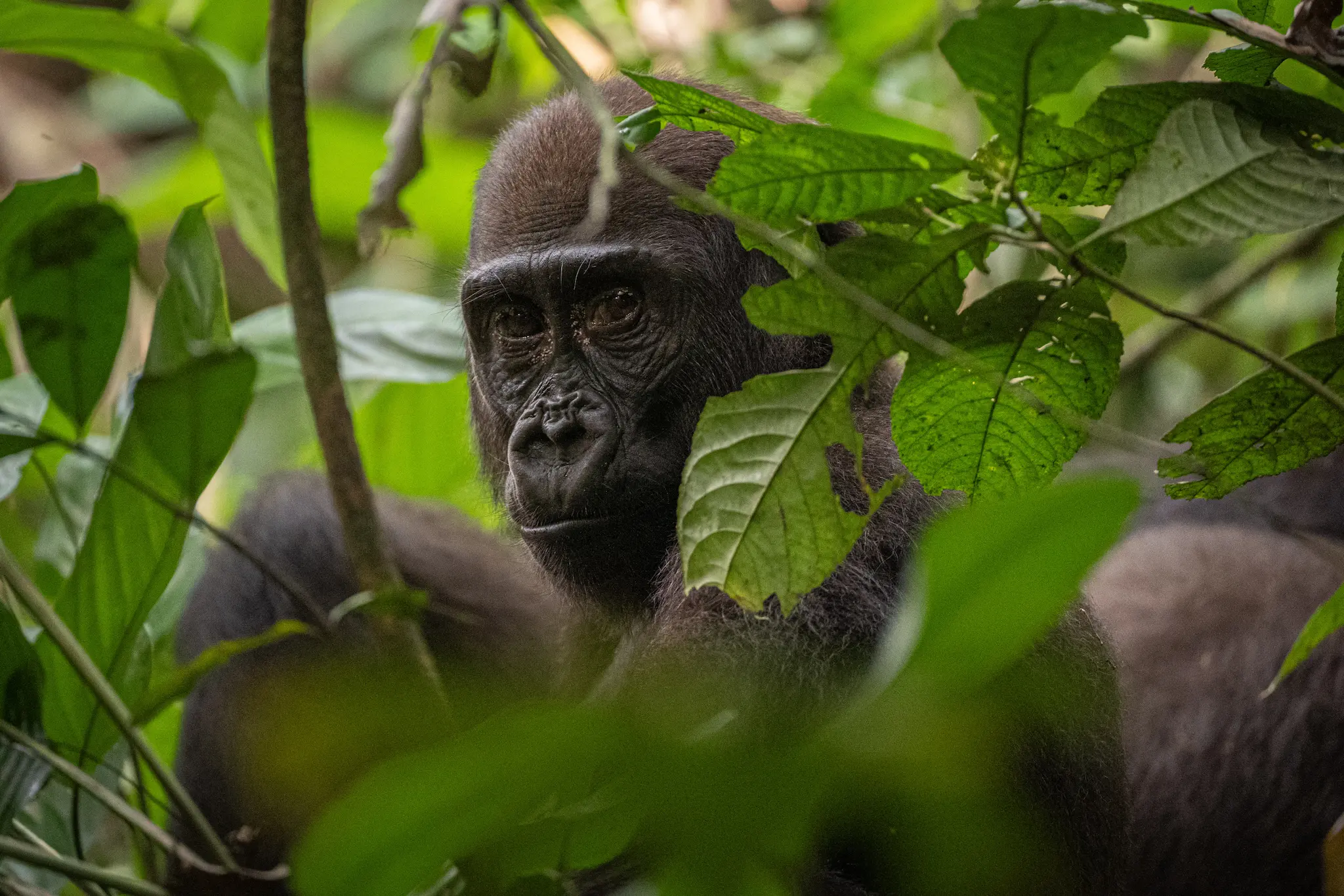
Nouabalé-Ndoki National Park
Ndoki, as part of the Northern Congo forest landscape and the Tri-National Sangha World Heritage Site, is a vital stronghold for one of the last intact assemblages of Congolese forest mammals, including endangered forest elephants and gorillas. One of Central Africa's last intact rainforests, where forest elephants and western lowland gorillas are stable and recovering under thirty years of protection.
.webp)
Lac Télé Community Reserve
Currently the only protected area that sits fully on the world's single largest tropical peatland, the Lac Télé Community Reserve supports the highest densities of gorillas in the world. It also supports incredibly rich freshwater and seasonally flooded forest systems that are critical sources of food and livelihoods for the communities that call the Reserve home.
.webp)
Niassa Special Reserve
One of Africa's largest, wildest, and most spectacular protected areas, containing one of Africa's most significant lion populations, a recovering assemblage of large ungulates, and potential habitat to hold one of the most significant elephant populations in Africa.
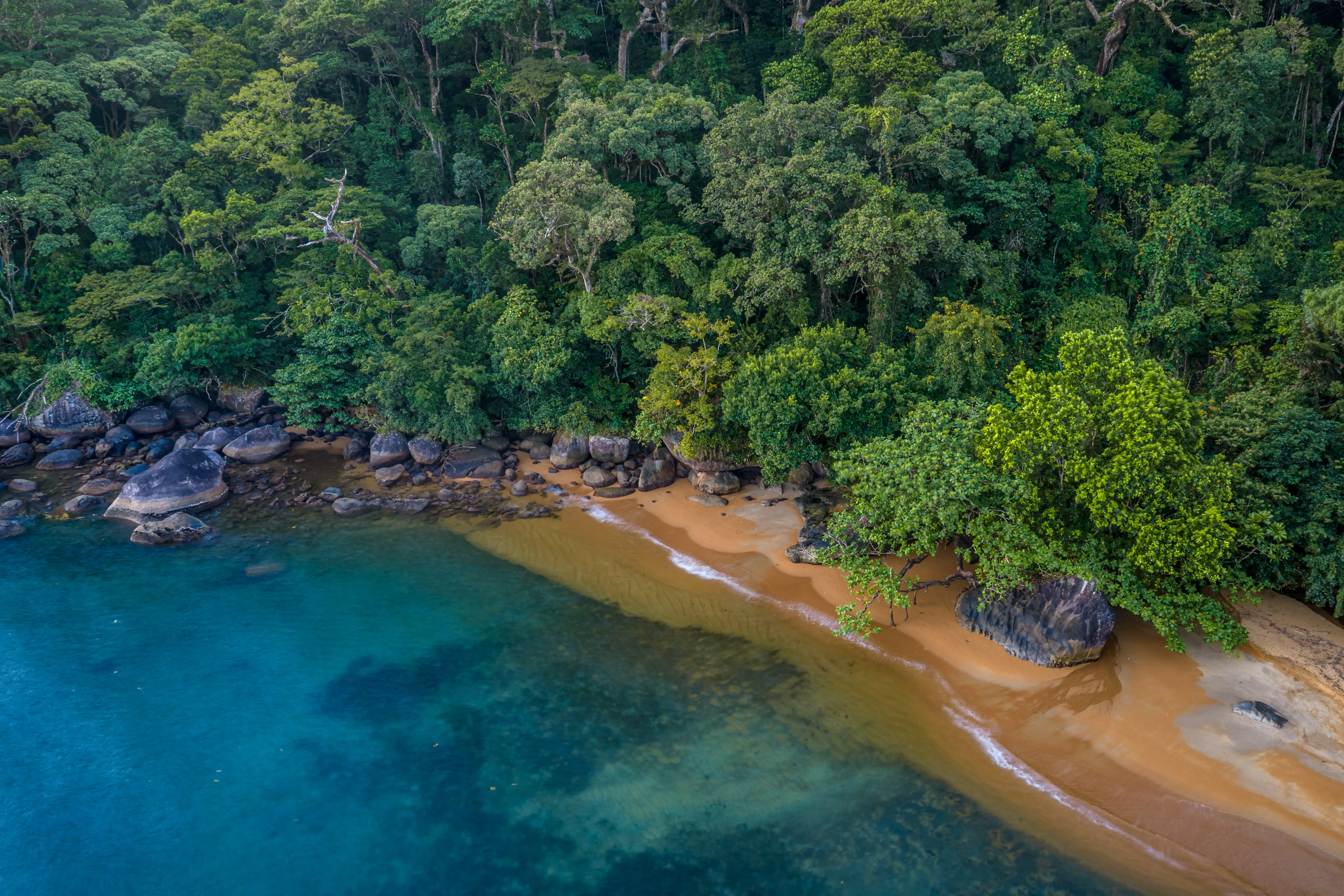
MaMaBay
Masoala National Park, Makira Natural Park, and Antongil Bay
The MaMaBay land/seascape is Madagascar’s last great wilderness and the epicenter of the island’s unique biodiversity. MaMaBay’s abundant and diverse flora and fauna is thriving in contiguous and effectively protected forests, mangroves, and coral reefs, buffered and connected by community areas that support sustainable forestry, agriculture, and fisheries.
%20copy.webp)
Pemba
Off the East African coast, Pemba Island is shaping a new model of community-led marine protection — where small-scale fishers and coastal communities hold legal authority over the waters their families have known for generations.
%202%20copy.webp)
Okapi Wildlife Reserve
This World Heritage Site holds DRC's largest tract of intact lowland rainforest, harbouring vital populations of forest elephants, okapi, and chimpanzees, while also preserving the deep cultural heritage of the Mbuti and Efe peoples. Half the world's okapi live here alongside the single largest stronghold of chimpanzees in the region and the highest diversity of monkeys found anywhere in Africa.
.webp)
Kahuzi-Biega National Park
This World Heritage Site, spanning lowland tropical to Afro-montane forests, is a global hotspot for species diversity and endemism, safeguarding 60% of the world's remaining Grauer's gorilla population — the largest living primate, found only in DRC.
.webp)
Yankari Game Reserve
Yankari Game Reserve, home to Nigeria's largest elephant population and its premier wildlife viewing experience, holds exceptional tourism potential and stands as a key site for the reintroduction of the northern lion and giraffe.
.webp)
Cross River National Park
As Nigeria's largest rainforest and a hotspot for biodiversity and endemism, this vital landscape provides essential habitat for the critically endangered Cross River gorilla, Nigeria's largest remaining forest elephant population, and numerous other primate species. The park sits at the heart of the Nigeria–Cameroon Transboundary Rainforest Complex, bridging two countries' conservation efforts across a mosaic of lowland and sub-montane forests.
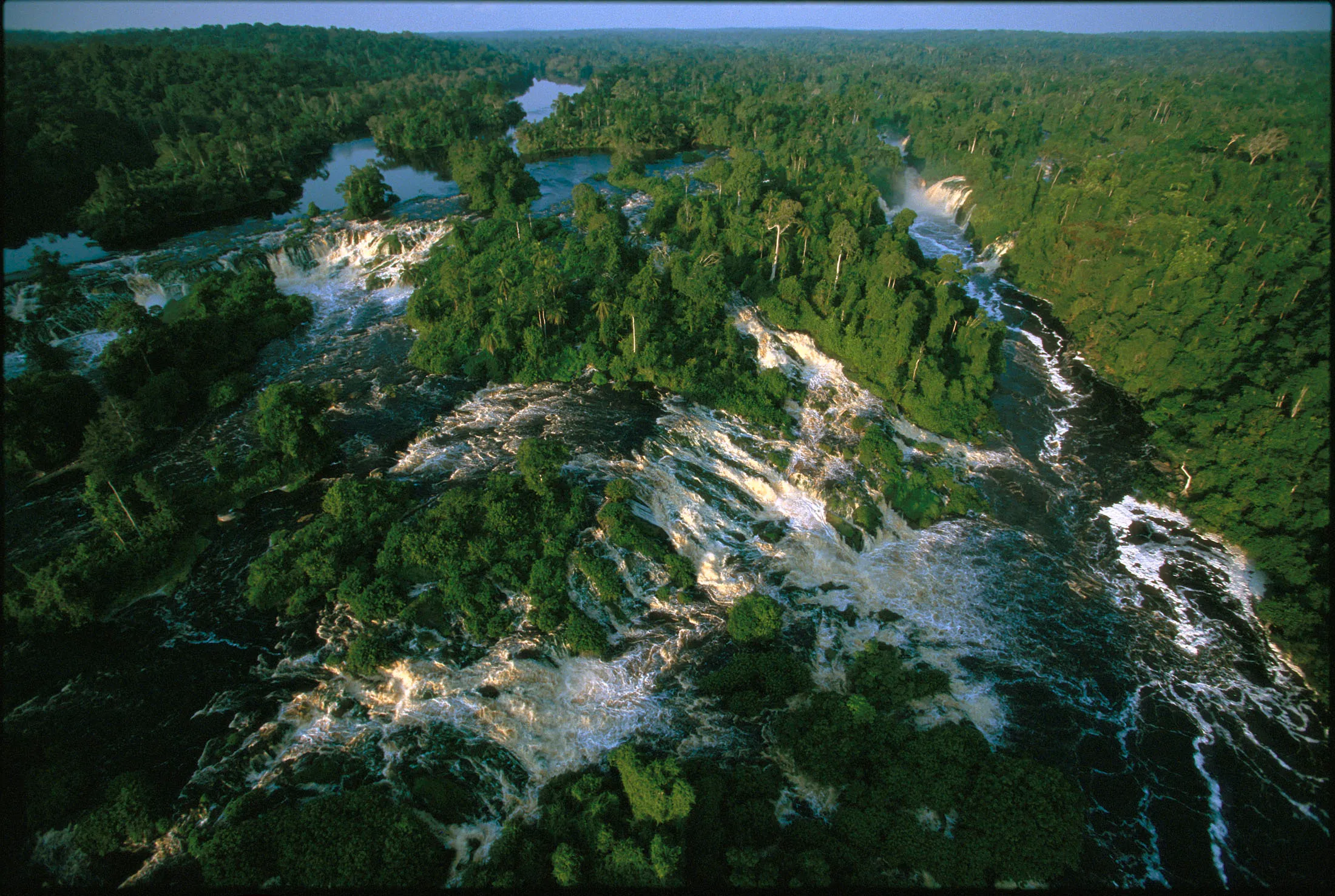
Ivindo National Park
Ivindo National Park, a sanctuary of pristine lowland rainforest in Gabon, is defined by its dramatic Ivindo river wetlands and Kongou's cascading waterfalls, and protects an intact assemblage of lowland forest wildlife including forest elephants and lowland gorillas. A UNESCO World Heritage Site since 2021, Ivindo's Langoué Baï is one of the five most ecologically significant forest clearings in Central Africa, hosting extraordinary concentrations of forest elephants, gorillas, and other wildlife.

Mayumba National Park
Primarily a marine park fringed by golden beaches and sculpted sand dunes, Mayumba is one of the world's most important nesting sites for the critically endangered leatherback turtle and protects 15 kilometres of marine habitat for migrating humpback whales, dolphins, and manta rays. The park's coastal forests and marshy savannah provide refuge for forest elephants, buffalo, hippos, and Nile crocodiles, while its protected waters represent a critical component of Gabon's broader marine conservation network.
Parc National de la Benoue
Bénoué National Park is one of northeastern Cameroon's great savanna landscapes — open grasslands and scattered woodlands giving way to critical riverine habitat along the Bénoué River. The park supports an exceptional concentration of large mammals, from elephants and buffalo to hippos and a rich diversity of antelope species. As a central pillar of the Northern Cameroon landscape alongside Bouba-Ndjidda and Séna-Oura, Bénoué ensures the regional connectivity on which these wide-ranging species depend.
Parc National de Sena Oura
Séna-Oura National Park protects 73,500ha of some of Chad's last remaining Sudanian-savanna woodland, a rare and ecologically vital fragment on the Cameroon border. Within the broader Northern Cameroon transboundary landscape — spanning approximately 800,000ha alongside Bouba-Ndjidda National Park and surrounding hunting areas — Séna-Oura stands apart as the only block of high-integrity forest, its rivers providing year-round water for globally threatened Giant Eland, Giraffe, Korrigum, Elephant, and Lion.
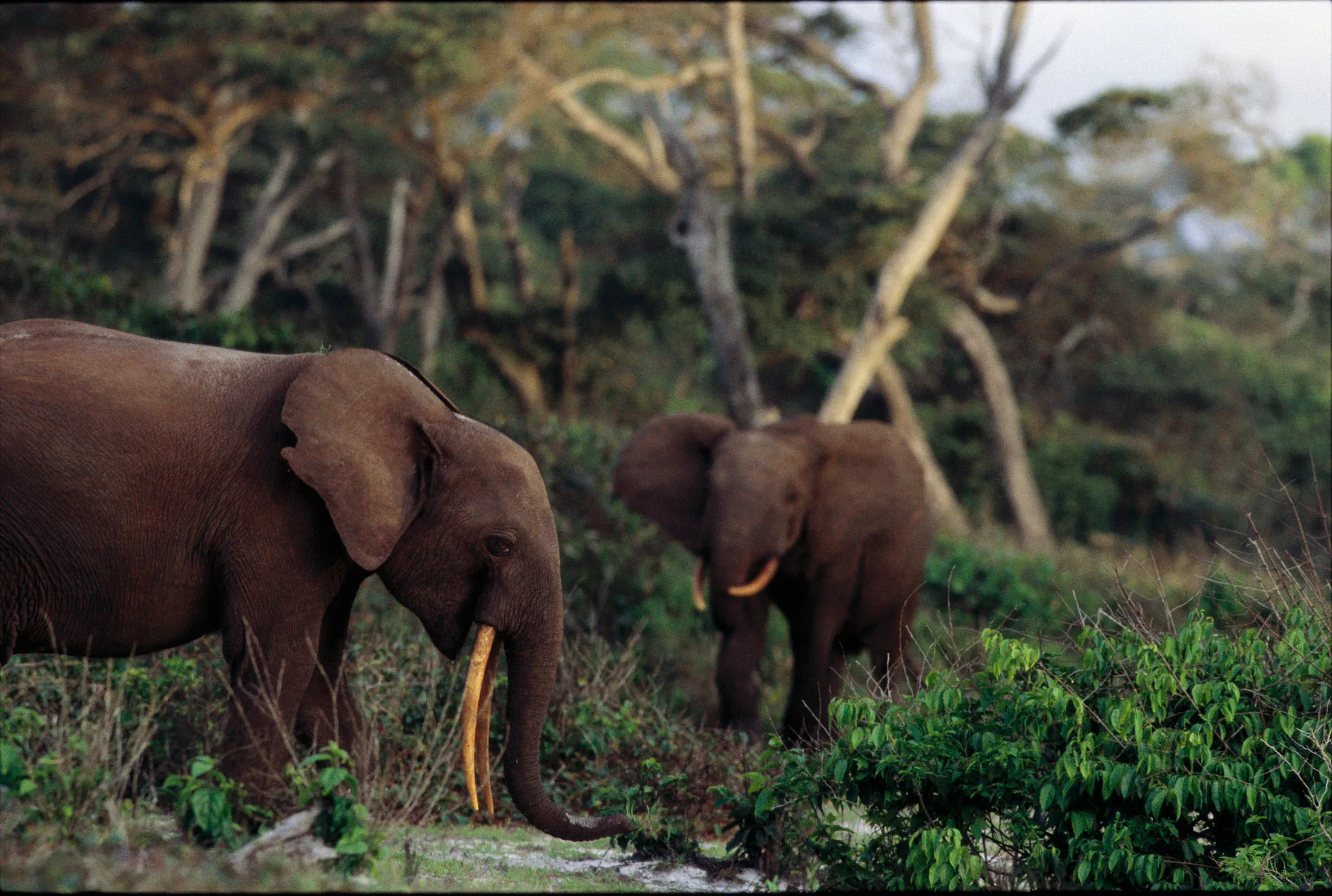
Lopé National Park
Lopé National Park, with its iconic forest–savanna mosaic and exceptional biodiversity, is a critical stronghold for primates such as mandrills and gorillas, offering some of the best wildlife viewing opportunities in Central Africa. A UNESCO World Heritage Site, Lopé's ancient savanna-forest ecotone has been a centre for ecological research for decades. The park protects one of Africa's largest mandrill populations, chimpanzees, western lowland gorillas, forest elephants, and forest buffalo across a landscape where rainforest meets some of the last remnants of equatorial savannah remaining on the continent.
.webp)
Bouba Ndjida National Park
Forming a vital 6,500 km² transboundary ecological unit with Chad's Sena Oura National Park, Bouba Ndjida harbours one of the most intact wildlife assemblages in the Sudano-Sahel and represents Cameroon's pioneering opportunity for cross-border conservation co-management. The park is home to an estimated 60–80 lions of the critically threatened northern subspecies.
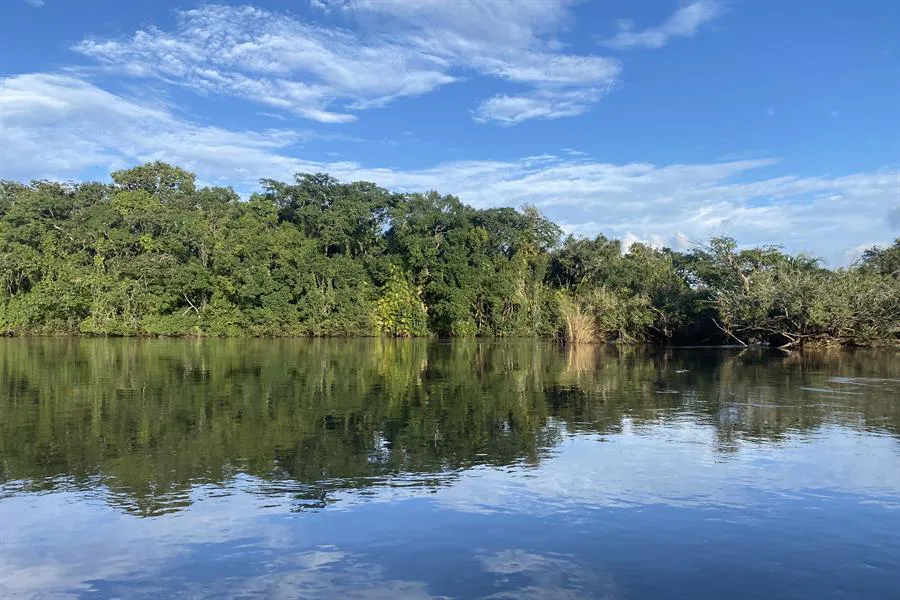
Mbam Djerem National Park
Mbam et Djerem National Park is the richest and most ecologically diverse ecosystem in Cameroon, straddling the transition zone between forests and Sahelian grasslands. It is the northernmost stronghold for Central Africa's forest elephants and uniquely shelters two chimpanzee subspecies across its mosaic of savannah, grassland, forest, and freshwater habitats.
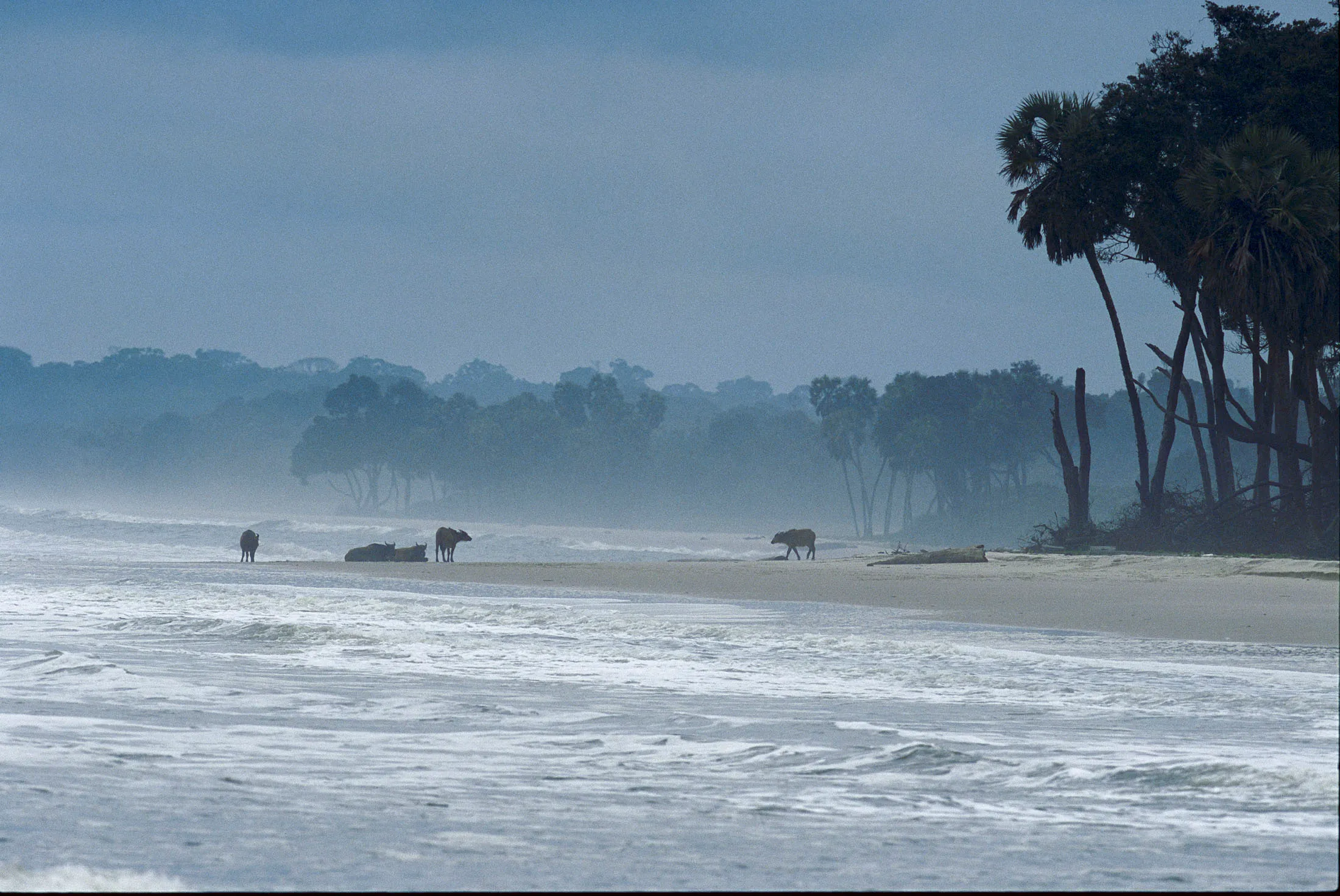
Loango National Park
Loango National Park, where coastal, forest, savannah, and marine ecosystems converge, sustains thriving populations of elephants, hippos, and great apes, and stands out as a premier destination for world-class wildlife tourism in Africa. Loango is one of the only places on Earth where forest elephants and hippos can be seen on ocean beaches, and where gorillas, chimpanzees, forest buffalo, and leopards inhabit a landscape that stretches from Atlantic surf to lagoon-laced forests and open savannah.
Murchison Falls National Park
A rich and varied savannah and wetland ecosystem with huge potential for restoration of wildlife populations, featuring Africa's most powerful waterfall. Murchison Falls sits within the broader Murchison-Semliki Landscape. The park protects critical connectivity between East Africa's savanna ecosystems and the Congo Basin forests.
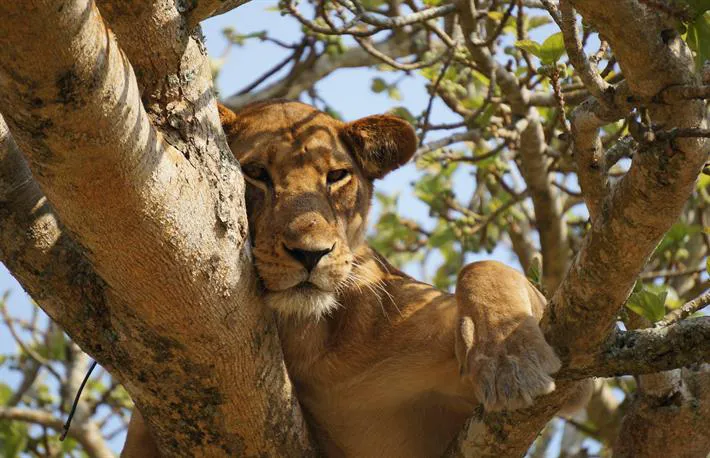
Queen Elizabeth National Park
Once home to the highest density of large mammals on Earth, Queen Elizabeth National Park protects the critical wildlife corridor connecting East Africa's savanna ecosystems to the Congo Basin, providing extensive opportunities for the recovery of lions, elephants, and other wildlife. Famous for its tree-climbing lions in the Ishasha sector, the park is home to 95 mammal species and over 600 bird species across a mosaic of savannas, forests, wetlands, and 250 km of lakeshore.
Rungwa Game Reserve
Once the centre of the elephant poaching crisis, now the heart of an incredible protected complex of miombo woodland where wildlife populations are recovering. Rungwa sits at the core of the greater Ruaha-Katavi landscape — a 115,000 km² ecosystem that is the most important in Eastern Africa for elephant numbers and contains roughly 15% of Africa's remaining lions.
.webp)
Ruaha National Park
Ruaha National Park, Tanzania's largest protected area, harbours one of the continent's most important lion populations and East Africa's largest elephant population. It showcases exceptional biodiversity across its vast, untamed savannahs, making it a cornerstone of East African conservation.
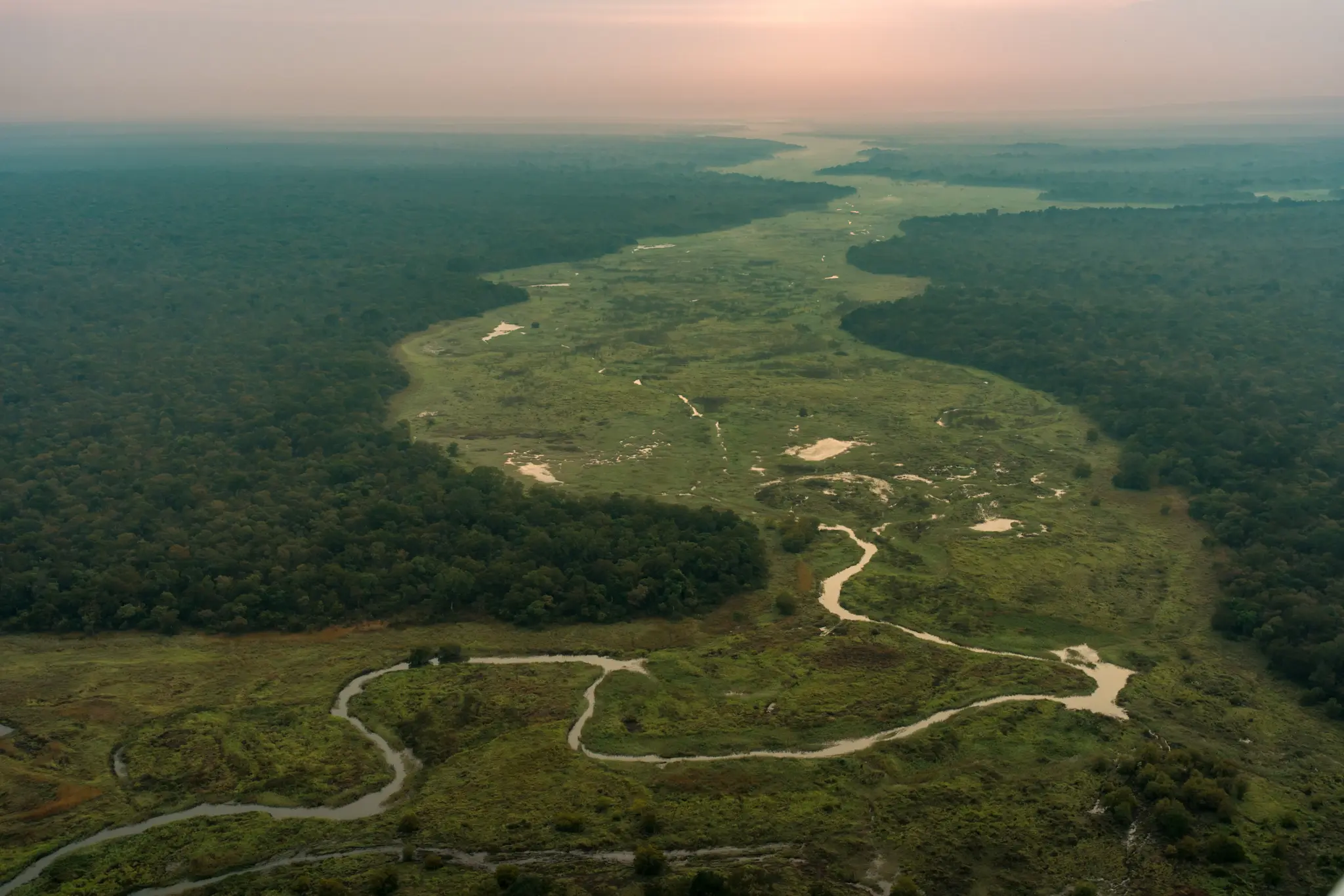
Manovo-Gounda St. Floris National Park
One of Africa's most intact forests, this landscape preserves critical populations of iconic wildlife, including elephants, Kordofan giraffe, and wild dogs. The largest park in the Central African savannas, Manovo-Gounda is a World Heritage Site of critical importance.
Bamingui-Bangoran National Park
At the heart of Africa's most intact savanna woodlands, this landscape safeguards remaining populations of iconic species such as savanna elephants, Kordofan giraffe, and lion. Together with Manovo-Gounda, this park forms the core of the Northeastern CAR Protected Area Complex — a UNESCO designated Biosphere Reserve.
.svg)
Feet in the Field
Deep dives into seven extraordinary land and sea scapes — from Congo's last intact rainforest to community-led marine protection in Zanzibar — where decades of commitment are delivering measurable results for wildlife, communities, and ecosystems.
Africa’s Unbroken Forest
In a region of empty forests, Nouabalé-Ndoki is where recovery begins
One of Central Africa's last intact rainforests, where forest elephants and western lowland gorillas are stable and recovering under thirty years of protection.
Where the forest meets the sea
Restoring the health of the whole in Madagascar’s MaMaBay
Rainforest cascades to coral-rich waters, sheltering lemurs, fossas, and breeding humpback whales found nowhere else.
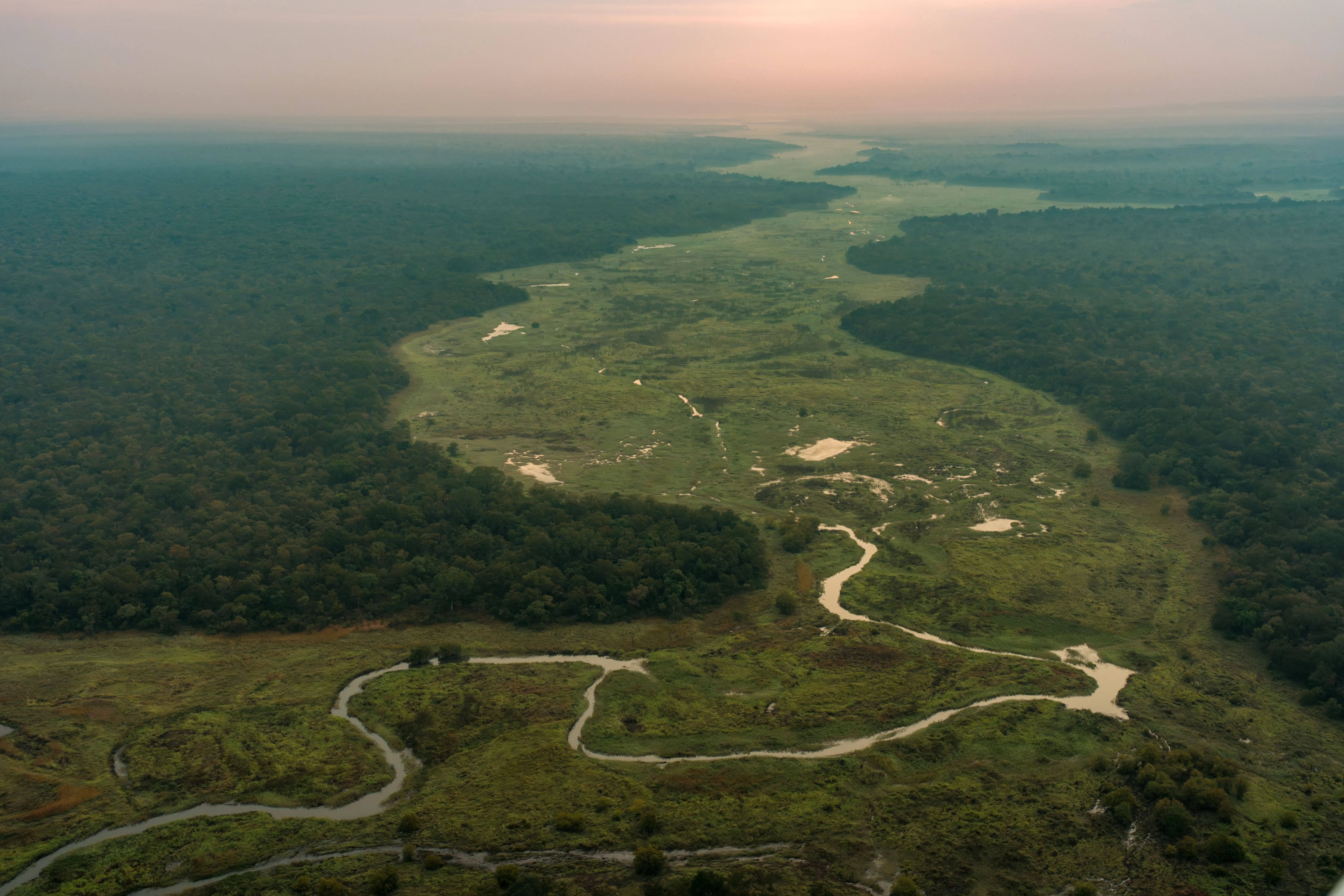
Holding the Green Line
Conservation at the Climate Frontline in Central African Republic
Camera traps have captured lion cubs for the first time in decades in one of the largest woodlands between the Sahara and Congo Basin.
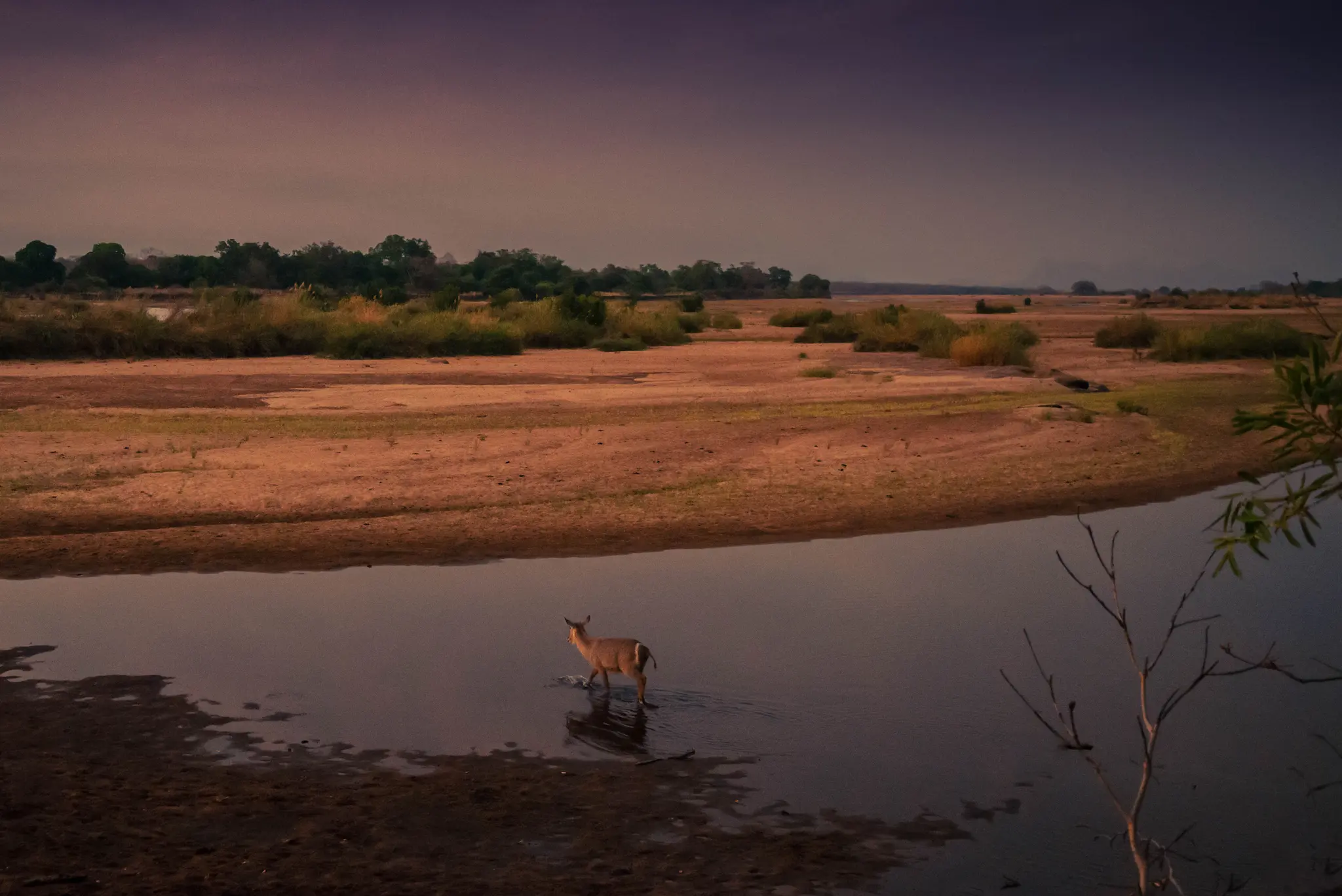
Niassa Special Reserve
Collaborative stewardship across Africa’s forgotten forest
Where elephants, lions and buffalo are recovering under the stewardship of communities who have managed these landscapes for generations.
Green and Gold
Redefining Value in the Okapi Wildlife Reserve
Half the world's okapi live here alongside forest elephants and Africa's highest primate diversity. For 40,000 years, the Mbuti and Efe have stewarded these forests.
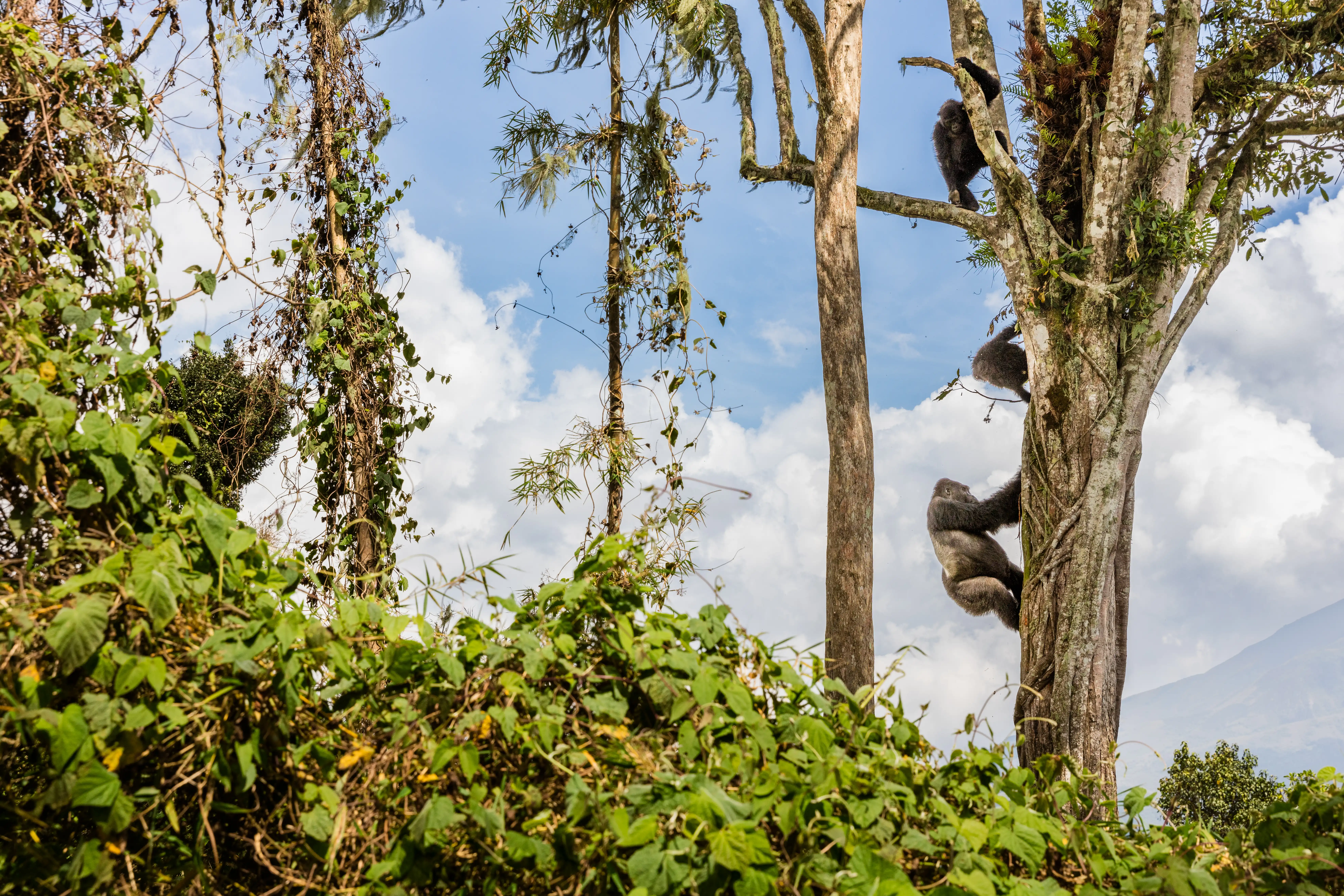
Kahuzi-Biega
Staying Power at the Edge of the Possible
Home to nearly a quarter of the world's Grauer's gorillas—the largest primate on Earth, found only in DRC.
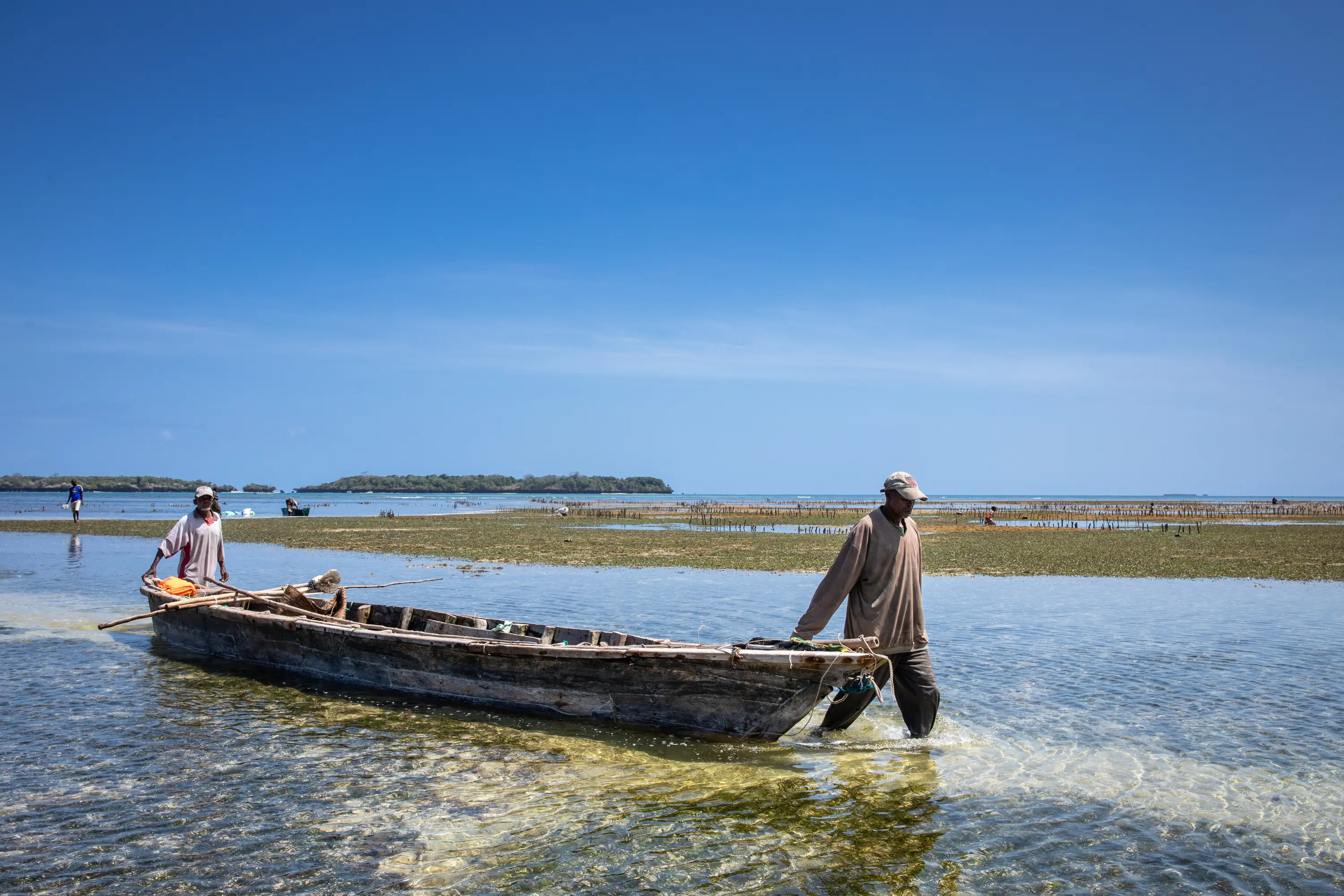
The Ocean Consensus
Community-led Marine Protection in Zanzibar’s Pemba Island
Coral towers, climate-resilient reefs, and more than half the region's threatened sharks and rays.
