Africa’s Unbroken Forest
In a region of empty forests,
Nouabalé-Ndoki is where recovery begins


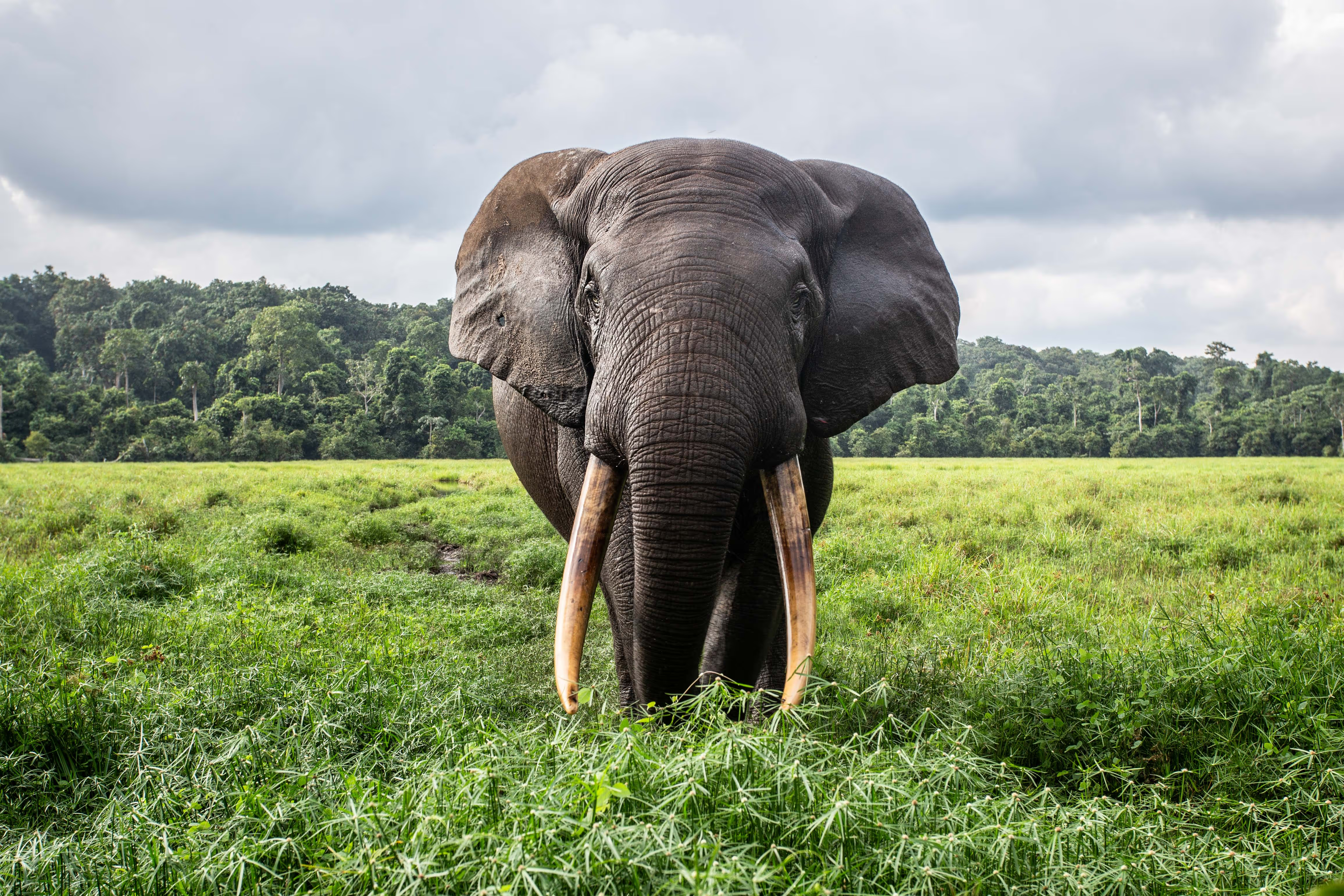
In 2023, zero elephants were poached in Ndoki. Across the rest of Central Africa, the previous decade had been catastrophic. Between 2002 and 2011, forest elephant populations plummeted by 62 percent. Organised criminal networks, armed and funded by soaring ivory prices, dismantled populations that had taken centuries to build.
While similar forests were transformed into what scientists call ‘empty forests’ — places where the trees still stand but the wildlife has vanished — Ndoki held.
How Ndoki Held
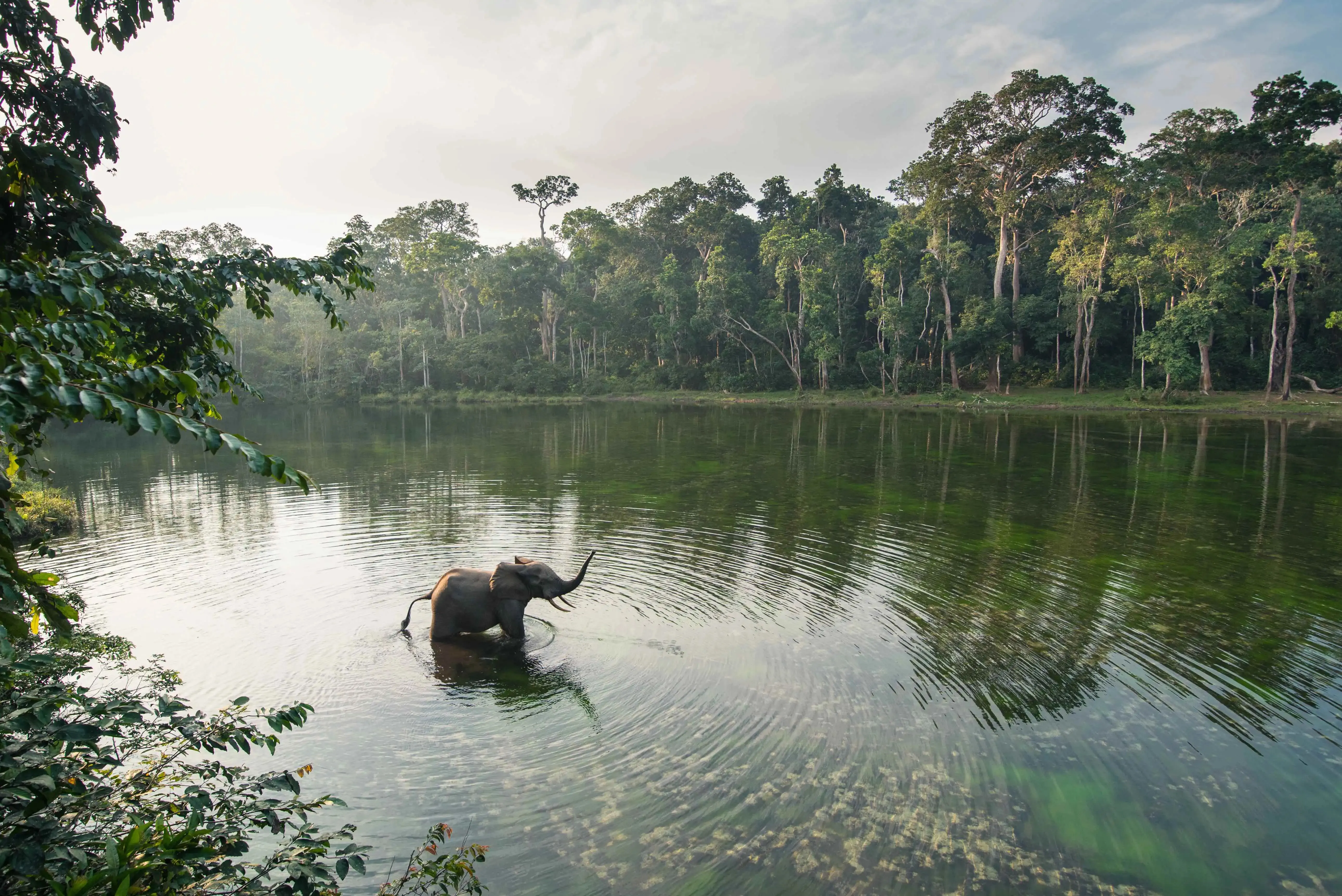
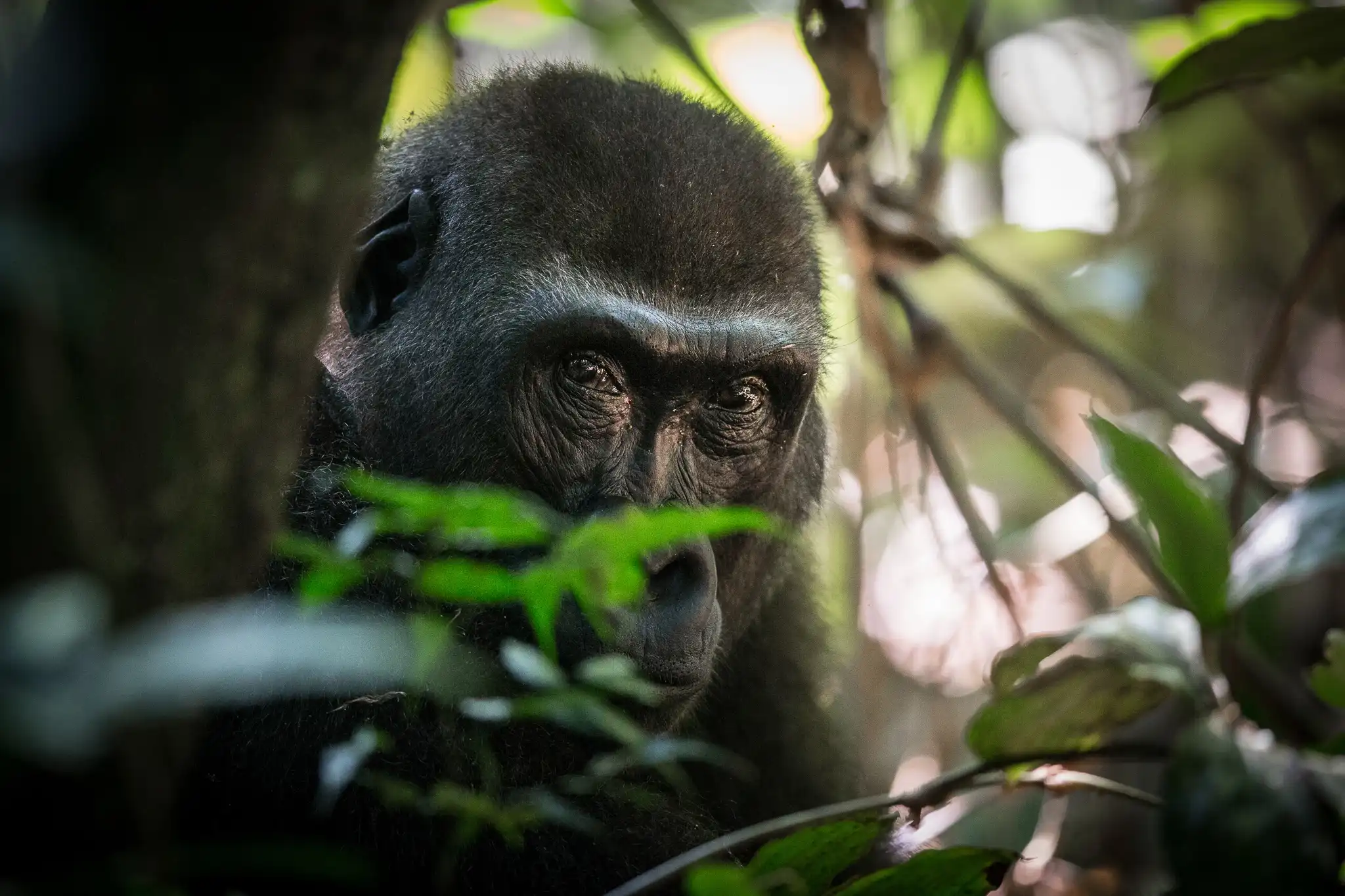
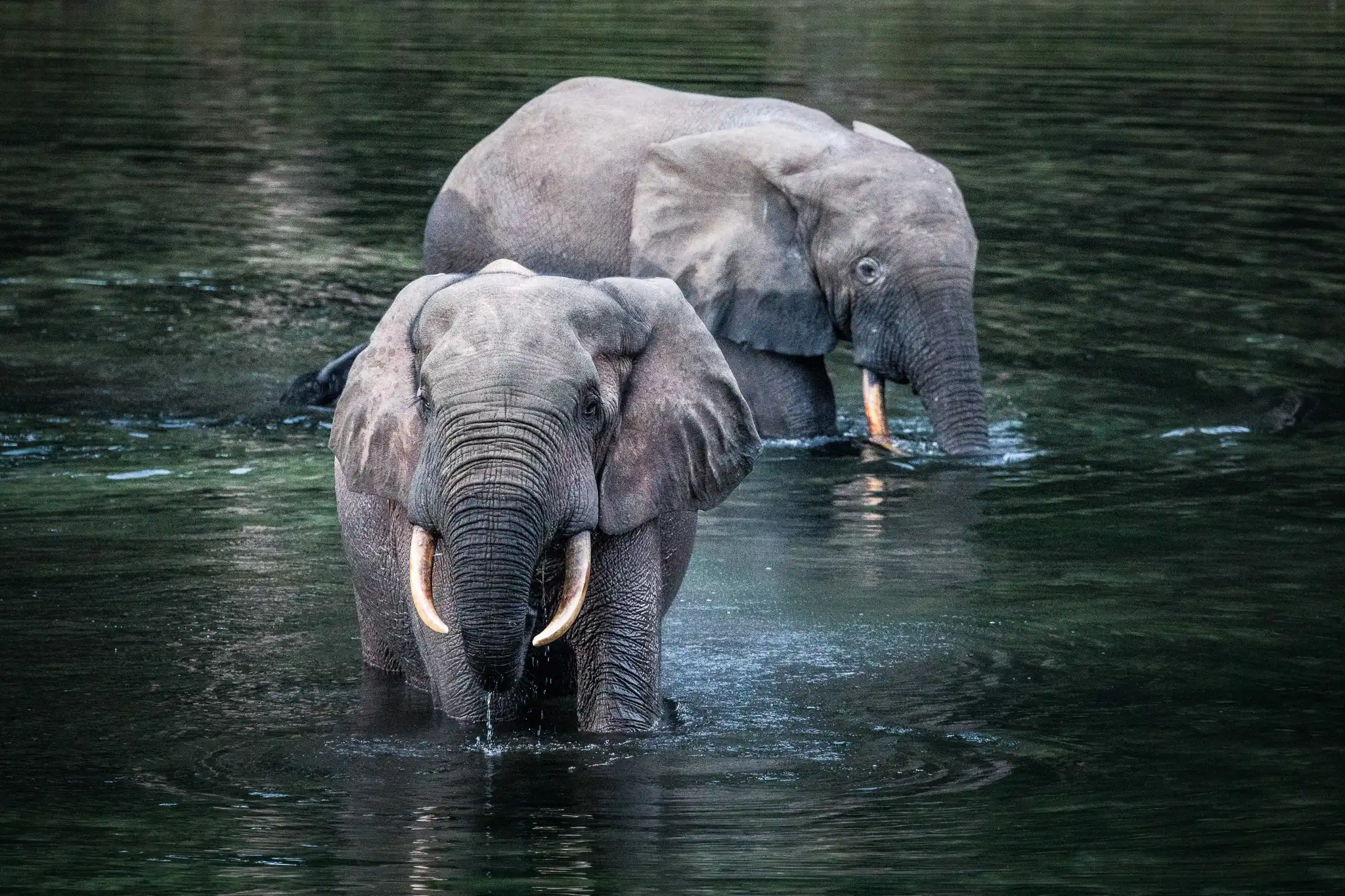
Dawn breaks over a forest clearing in the heart of Africa's Congo Basin, the air thick with the sound of birds, forest elephants and their calves wading into the water that draws wildlife from miles around, trunks searching for minerals in the swampy soil. Gorillas emerge from the thick ancient trees, their families close behind.
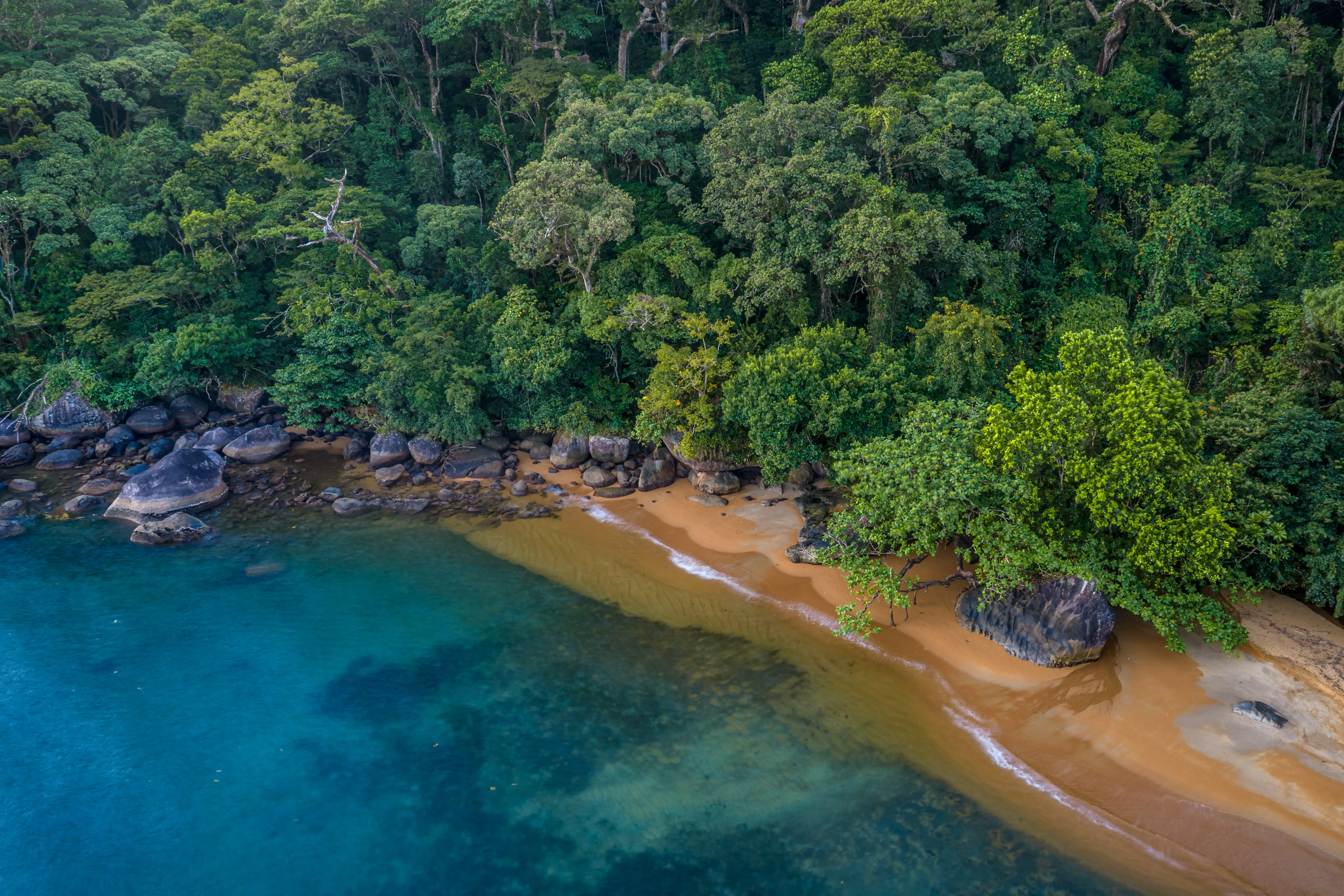
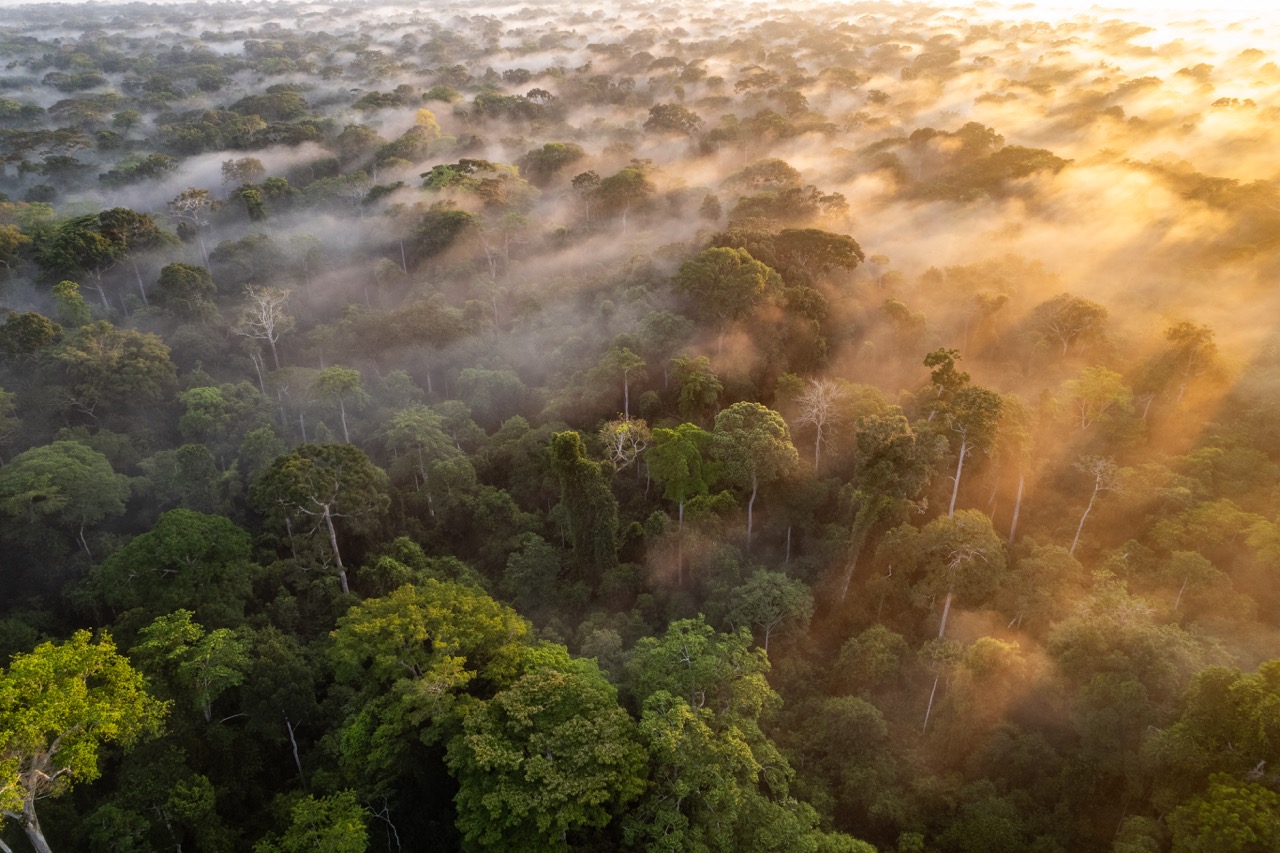
There are no roads inside the park, no cell phone reception — only dense lowland rainforest that, even when broken with sunlight, echoes with the sounds of thriving wildlife. It is a window into tropical forests as they existed for millennia, shaped by both nature and the Indigenous Peoples who have lived alongside them.
This is a rare sighting in the 21st century.
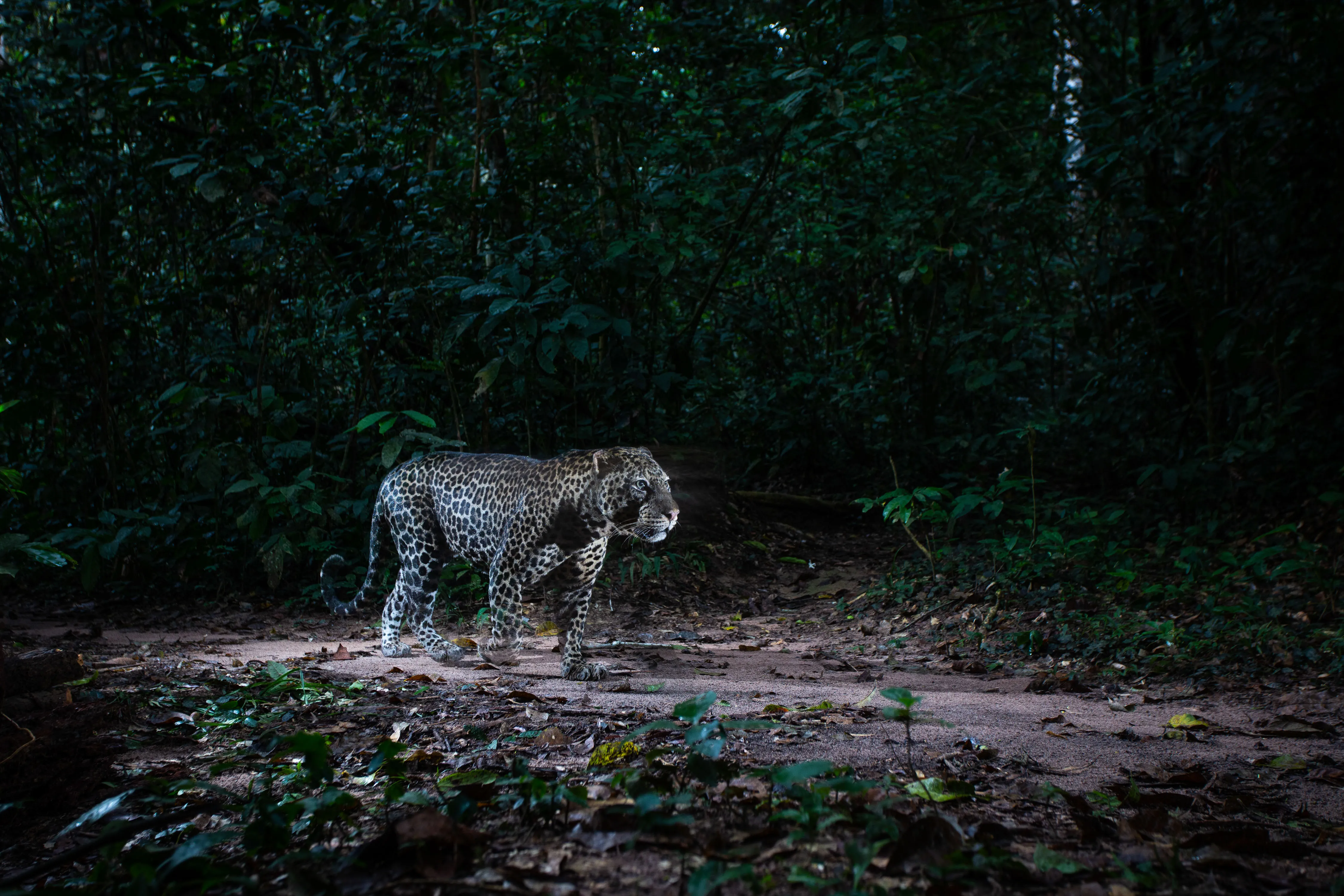

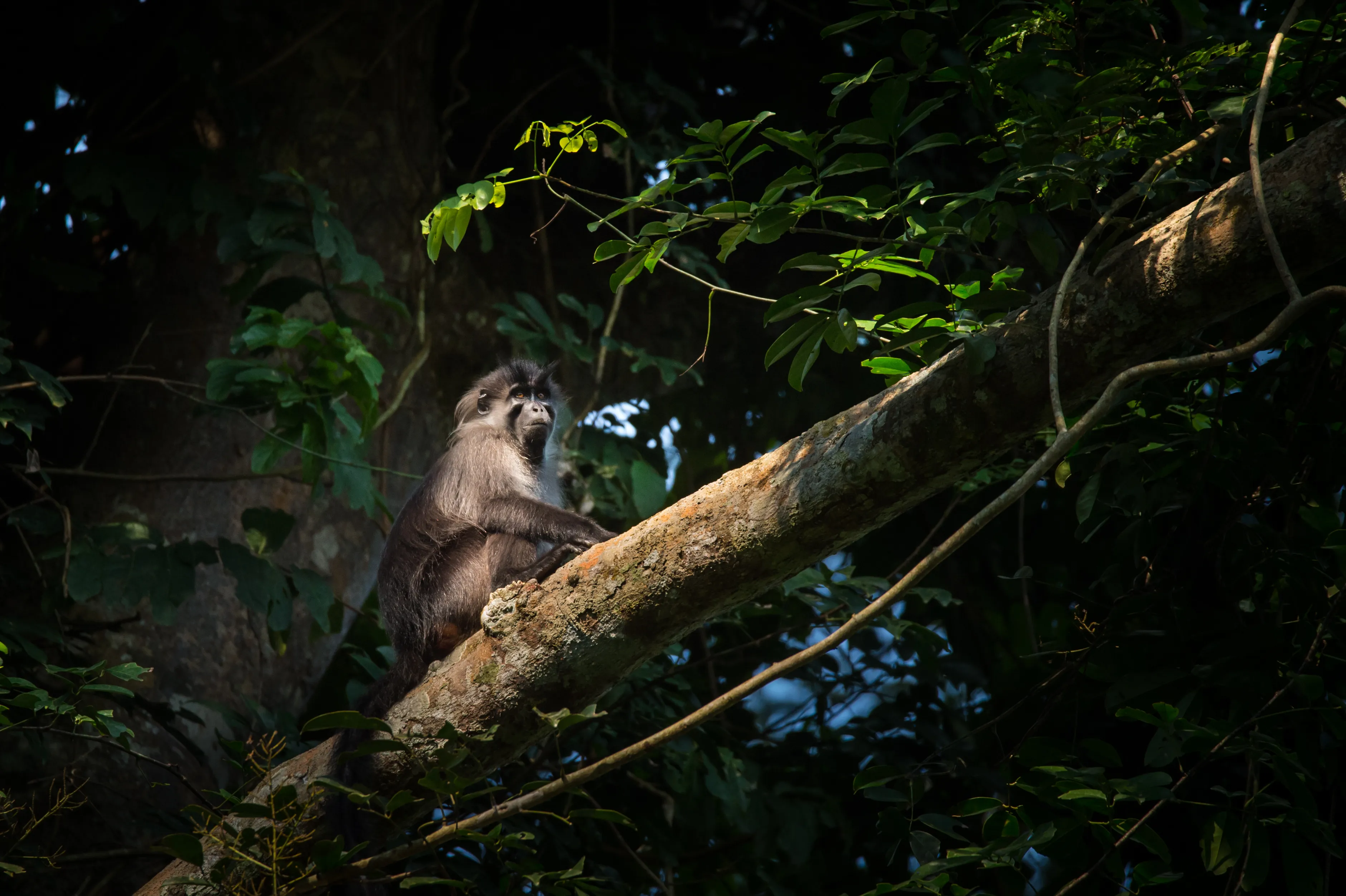
What makes Ndoki's story exceptional is not just its ecological richness, but its remarkable persistence. In a region where unsustainable resource exploitation and poaching crises have decimated wildlife and forests, Ndoki stands as proof of what effective conservation and people can achieve against overwhelming odds.
Yet today, Ndoki faces new challenges. After decades of isolation that helped preserve its green core, development is steadily advancing across the surrounding landscape. Infrastructure projects are being built beyond the park's borders — across waterways and difficult terrain that once served as natural barriers — as regional development initiatives reshape access to these once-remote forests.
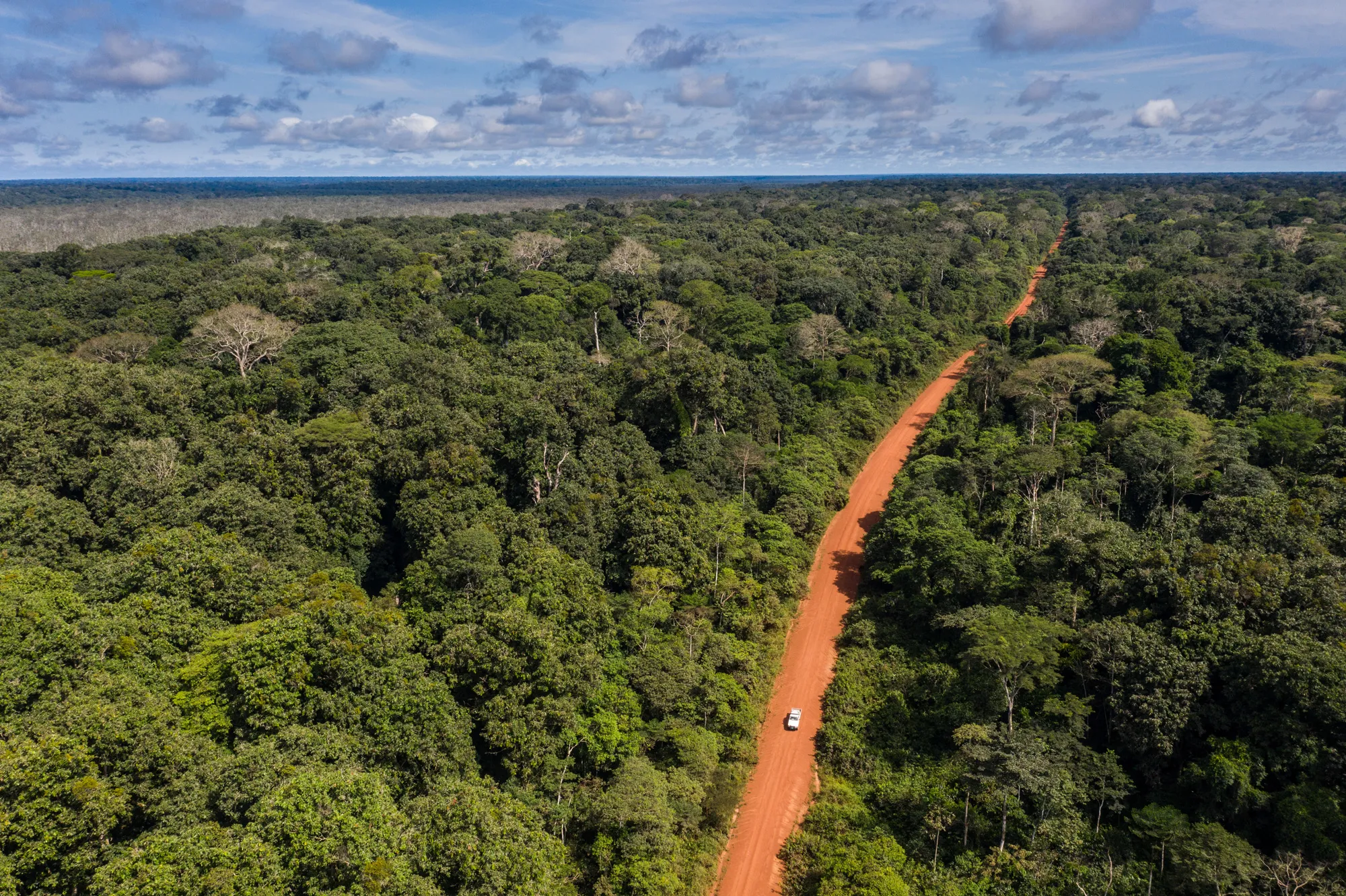
What took days to reach will soon be accessible in hours, bringing both new economic pressures and opportunities that could transform the region.
One of Africa's most enduring conservation stories
When WCS researchers first ventured up the Congo River into what would become Nouabalé-Ndoki National Park in the late 1980s, the area was so isolated that there were no roads anywhere near it.
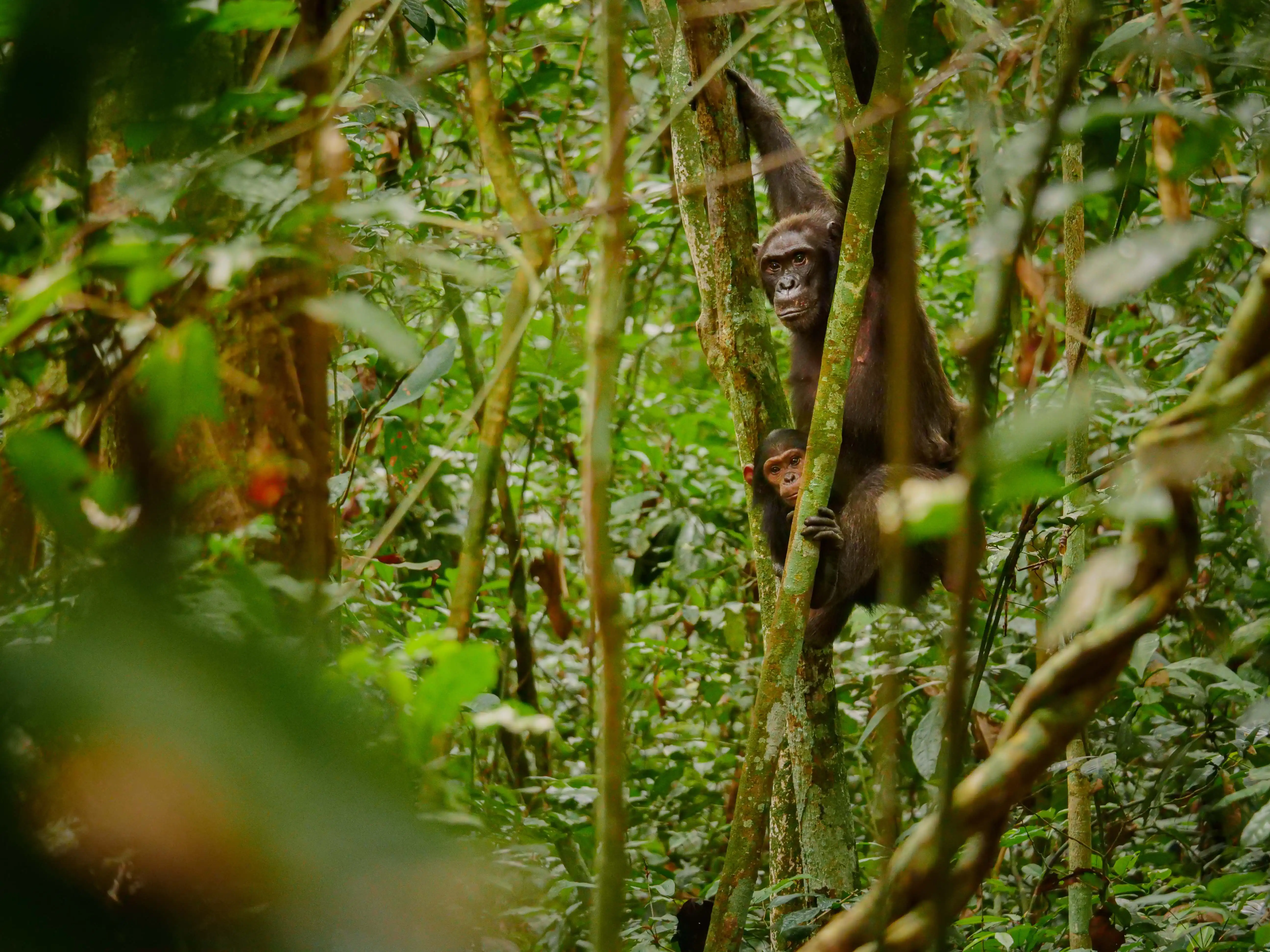
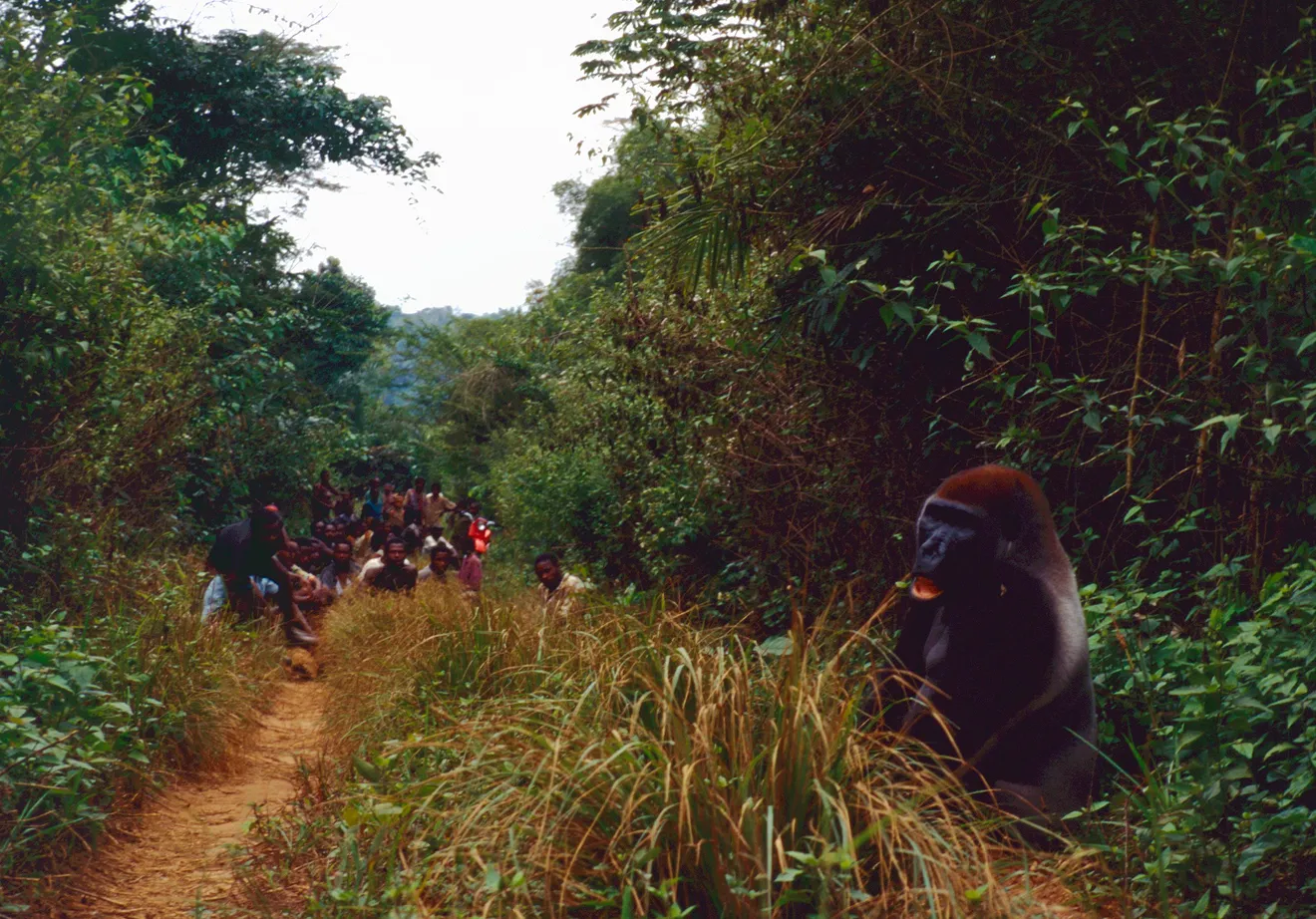
This remoteness had preserved something extraordinary – a forest where wildlife had little experience with humans beyond the Indigenous Peoples who called the forest home. Researchers encountered chimpanzees that would approach them out of curiosity, having never learned to fear people.
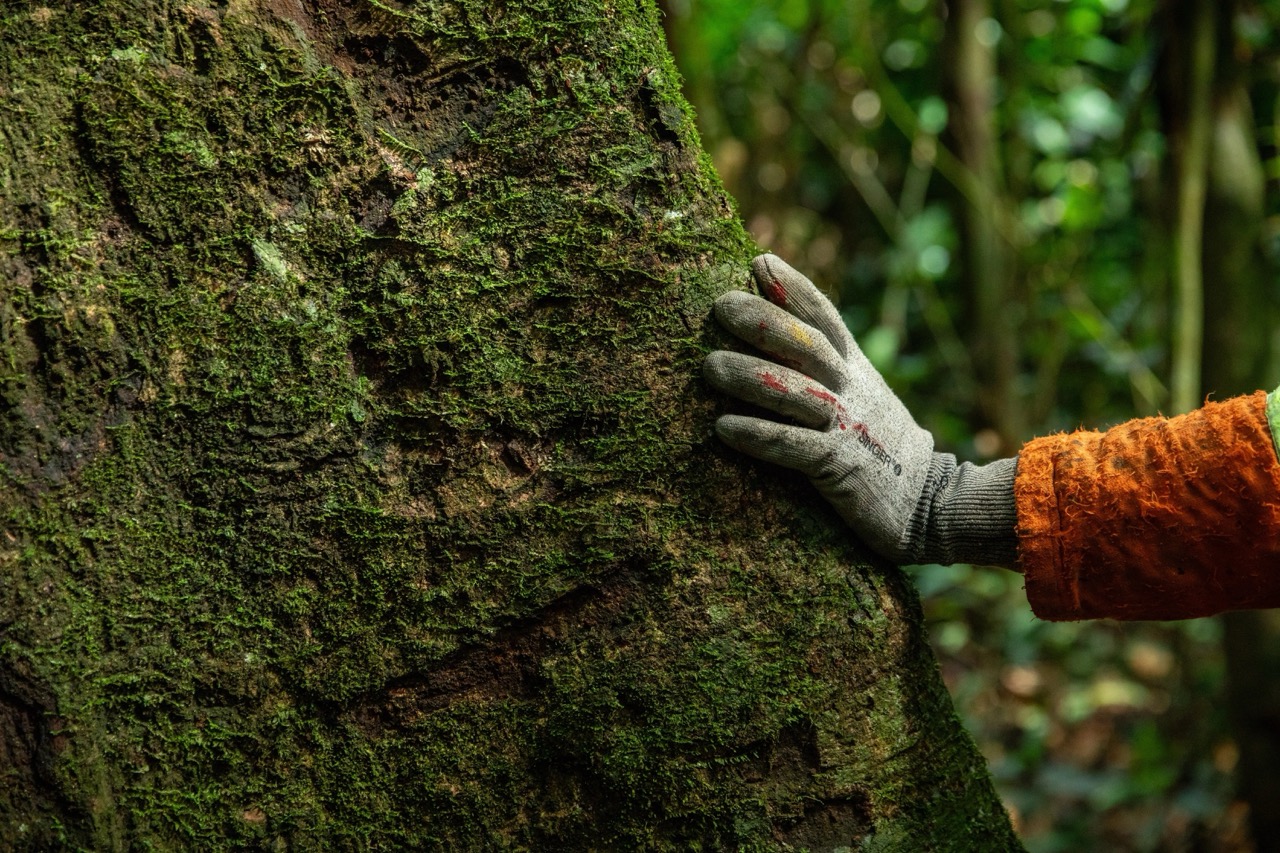
From the beginning, the scientific explorations relied heavily on the knowledge of Indigenous communities. A critical partnership emerged between scientists and indigenous Ba'Aka trackers, whose traditional knowledge of the forest proves essential for documenting the area's remarkable biodiversity. This relationship between scientific and Indigenous expertise becomes foundational to Noubalé-Ndoki's conservation.
%20Large.webp)

.webp)
Pioneering research
Even before formal protection was established, the foundations for long-term research were being laid. In 1994, researchers established the Mbeli Bai study site, beginning what would become one of the longest-running studies of western lowland gorillas in existence. Mondika followed in 1995, and in 1998 the Goualougo Triangle site opened — revealing a chimpanzee population whose sophisticated tool use would reshape scientific understanding of great ape culture.
The discoveries led to a growing recognition of Ndoki's global significance. WCS and the Congolese government began advocating for its formal protection. In 1993, Nouabalé-Ndoki National Park was officially established, protecting one of Earth's last great wild places.
The establishment of the park set the stage for what would become one of Africa's most enduring conservation stories, blending traditional forest knowledge with contemporary science — one that ensures the survival of species and the health of the millions of hectares of surrounding forest where Indigenous Peoples and local communities continue their cultural practices and livelihoods.
Preserving generations
of forest knowledge
Conservation at Ndoki isn't just protecting wildlife for the future, it's actively valuing irreplaceable human knowledge systems that would otherwise disappear as traditional forest-based lifestyles change.
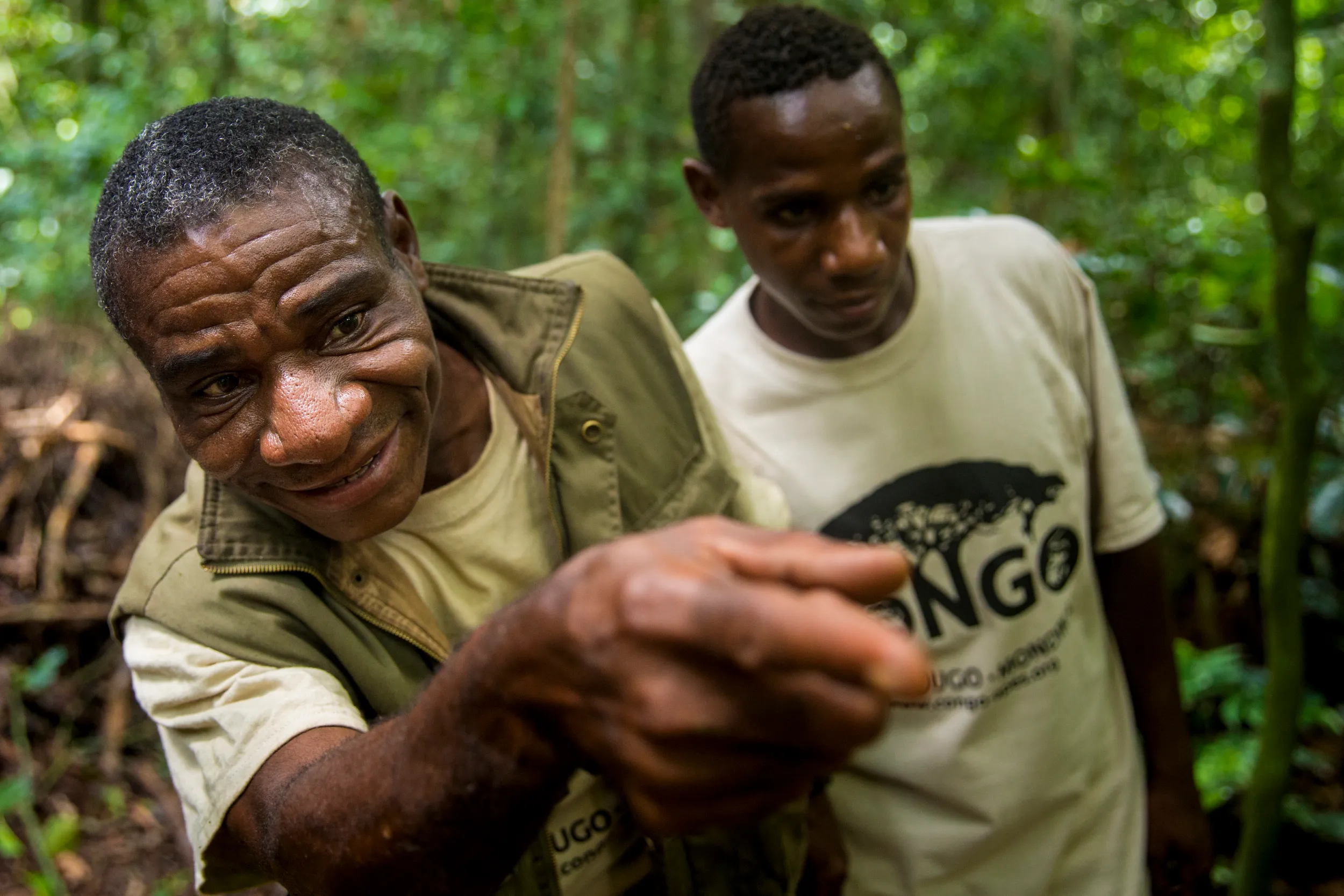
At the Mondika research site, knowledge transfer continues across generations. Veteran tracker Samedi Andre, who began working at the site in 1995, passed on his knowledge to his son Aflons Yambua, who took over from his father as a tracker. Their ability to locate and follow western lowland gorillas through dense forest has been fundamental to decades of research that would otherwise be impossible.
Staying through civil war
In 1997, civil war erupted in the Republic of Congo, creating an immediate threat to conservation efforts. While most international organizations evacuated, a skeleton crew of dedicated WCS and local staff stayed.
They maintained infrastructure, kept a presence on the ground, and held together the relationships with surrounding communities that had taken years to build. Research stations built in the trees at the edges of forest clearings survived the conflict. As stability returned, activities resumed — and these outposts proved to be far more than scientific facilities. They had anchored a permanent conservation presence through the most challenging years.
It was this decision — to remain when many international organizations evacuated — it was the decision that created a deep local trust, on which the park would flourish.
Collaborating to protect nature
As stability returned in the early 2000s, the isolation that had once protected the park was fading. Logging concessions were allocated in the forests surrounding the park. Roads began pushing deeper into what once was a remote wilderness but was now surrounded by an unfurling frontier of timber extraction.
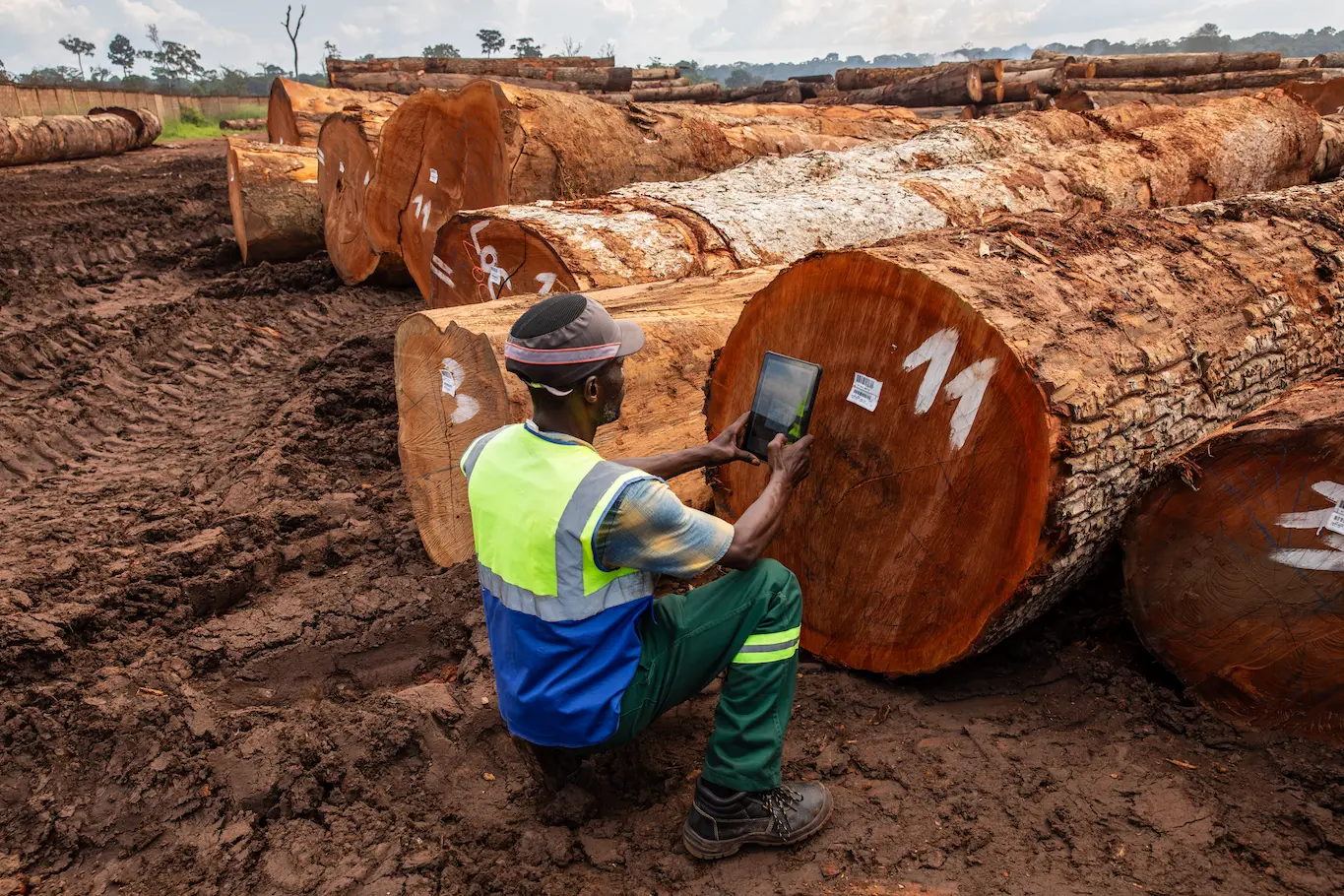
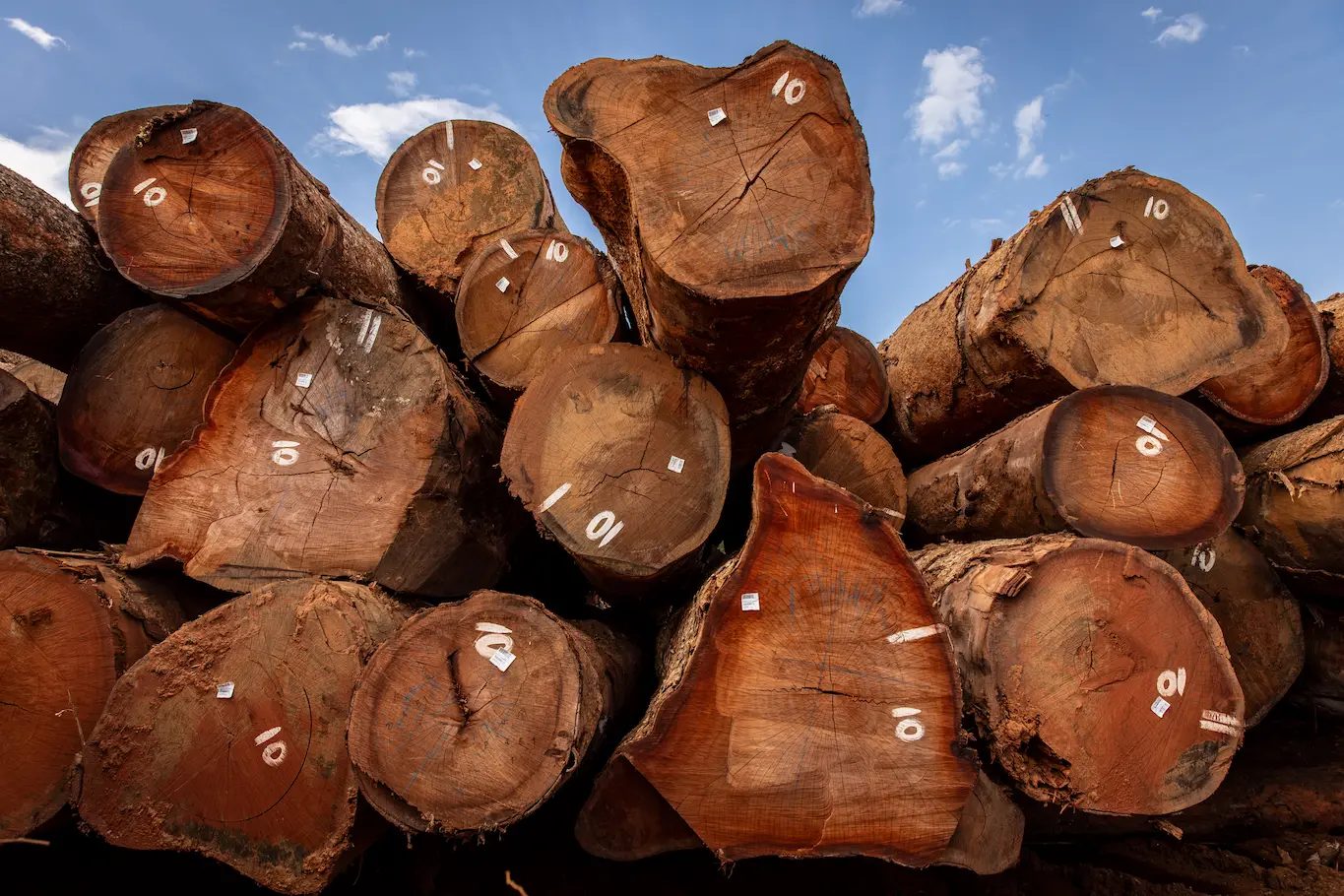
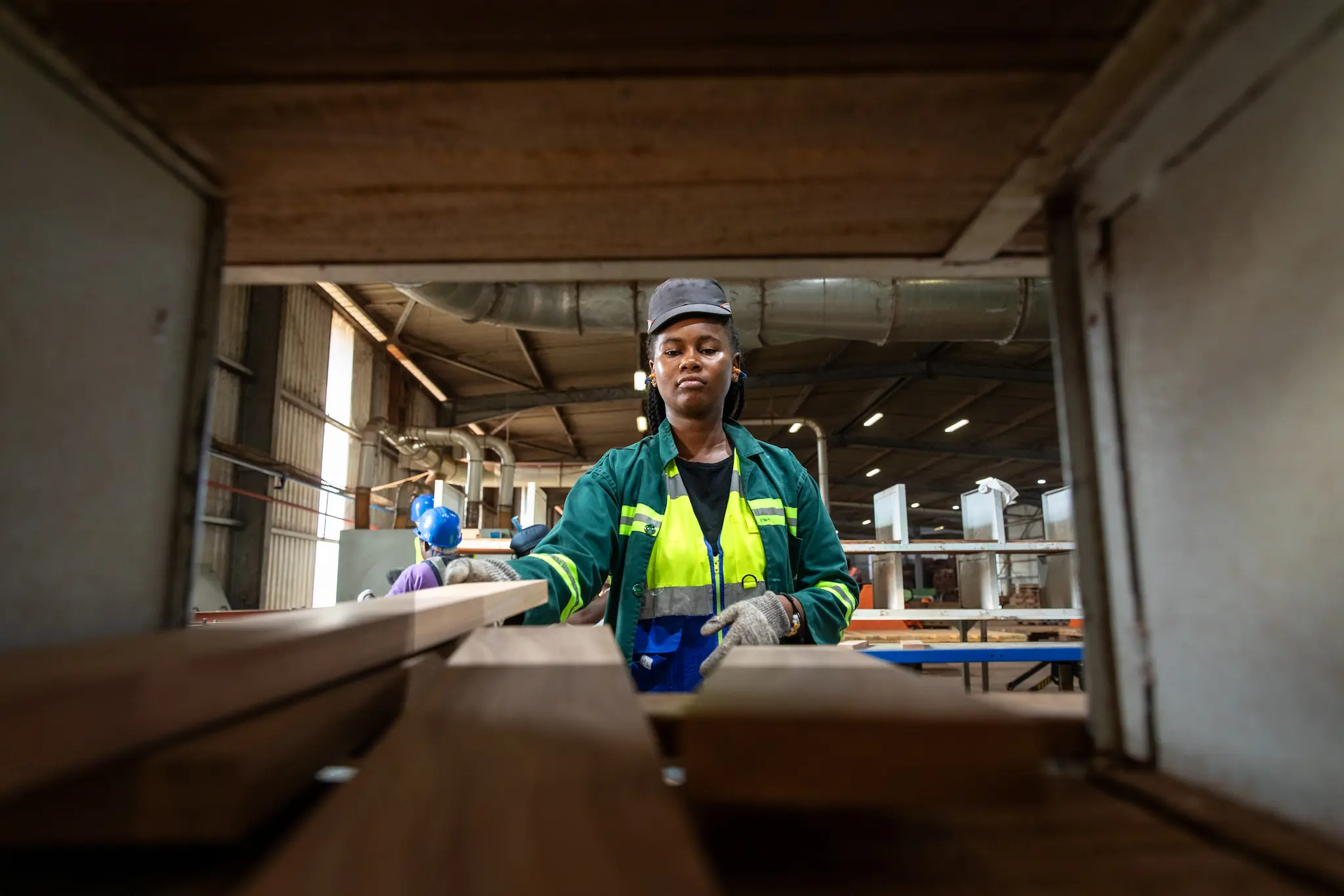
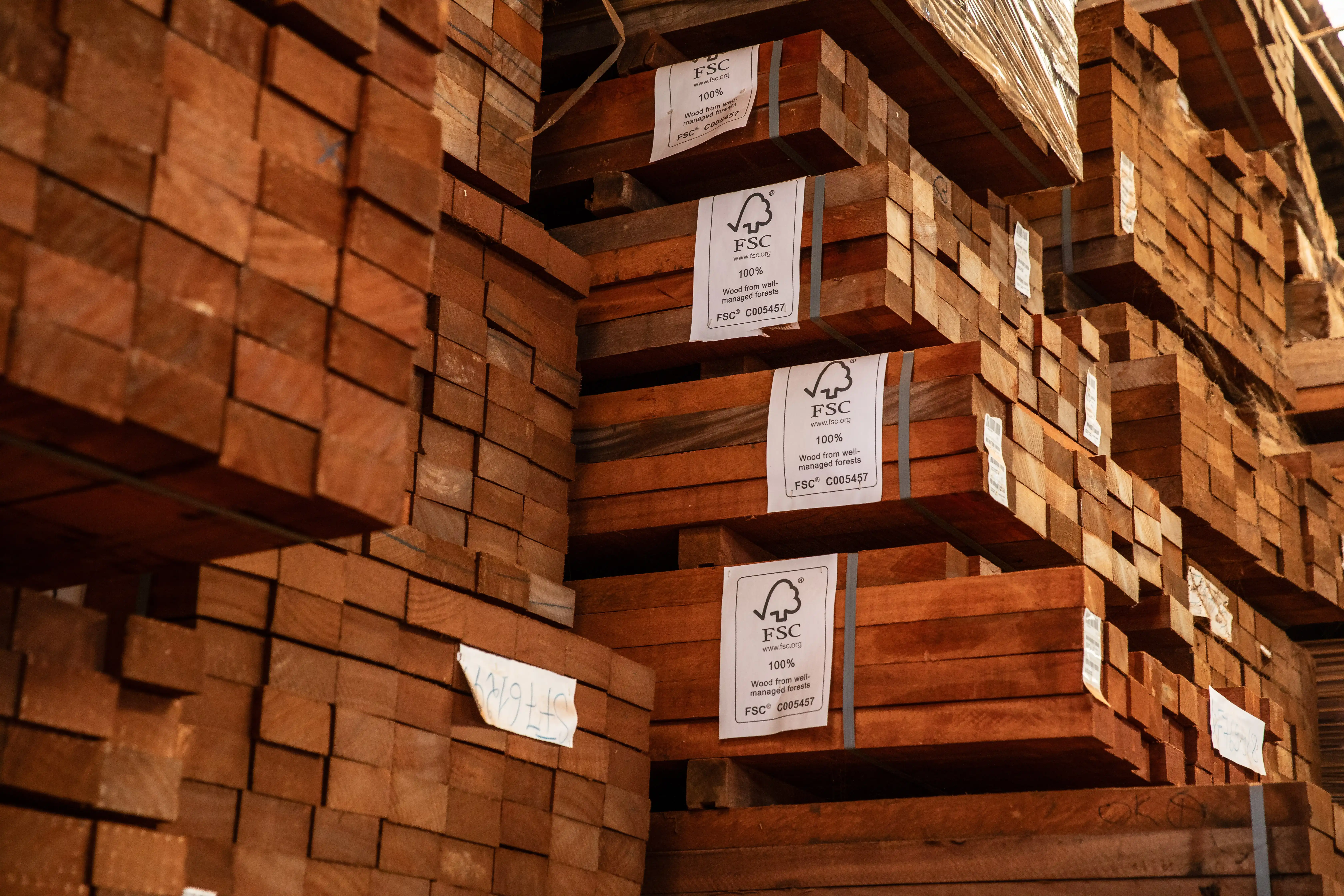
WCS did something counter-intuitive: Instead of fighting the timber companies, WCS partnered with them. The concessions surrounding Ndoki became the first FSC-certified logging operations in the country, maintaining forest canopy and wildlife habitat while allowing selective harvesting.
This collaborative approach represented a fundamental shift in conservation thinking for Central Africa. Rather than creating isolated islands of protected areas surrounded by degraded landscapes, WCS, Congolaise Industrielle des Bois (CIB), and the Congolese government pioneered a model where conservation extended into production landscapes. The park remained intact at the core, at the same time surrounding areas maintained significant ecological value.
The park was no longer an island — it became the intact core of a functioning landscape where conservation extended into production forests across 1.3 million hectares.
Adapting to meet
the poaching crisis
By the late 2000s, after years of relative stability, elephant poaching escalated dramatically across Central Africa. Driven by soaring ivory prices, organized criminal networks turned their attention to the region's forest elephants.
The escalation was devastating. Across Africa, forest elephant populations plummeted by an estimated 62% between 2002 and 2011. While elephant killings peaked across the region — including the slaughter of 26 elephants in a single day in 2013 at Dzanga-Sangha, a stone's throw from the park — nearly 3,000 elephants found relative safety in Ndoki.
But with organized criminal networks pressing ever closer, Ndoki transformed.
The park professionalised its protection through a public-private partnership (PPP) between WCS and the Congolese government in 2013. This groundbreaking governance model enhanced management effectiveness, increased funding, and created greater accountability. The approach shifted from traditional ranger patrols to something closer to wildlife crime investigation — local informant networks, surveillance technology, and rapid-response teams that enabled better prevention, better prosecution, and in doing so, an unprecedented level of deterrence..
.webp)
.webp)
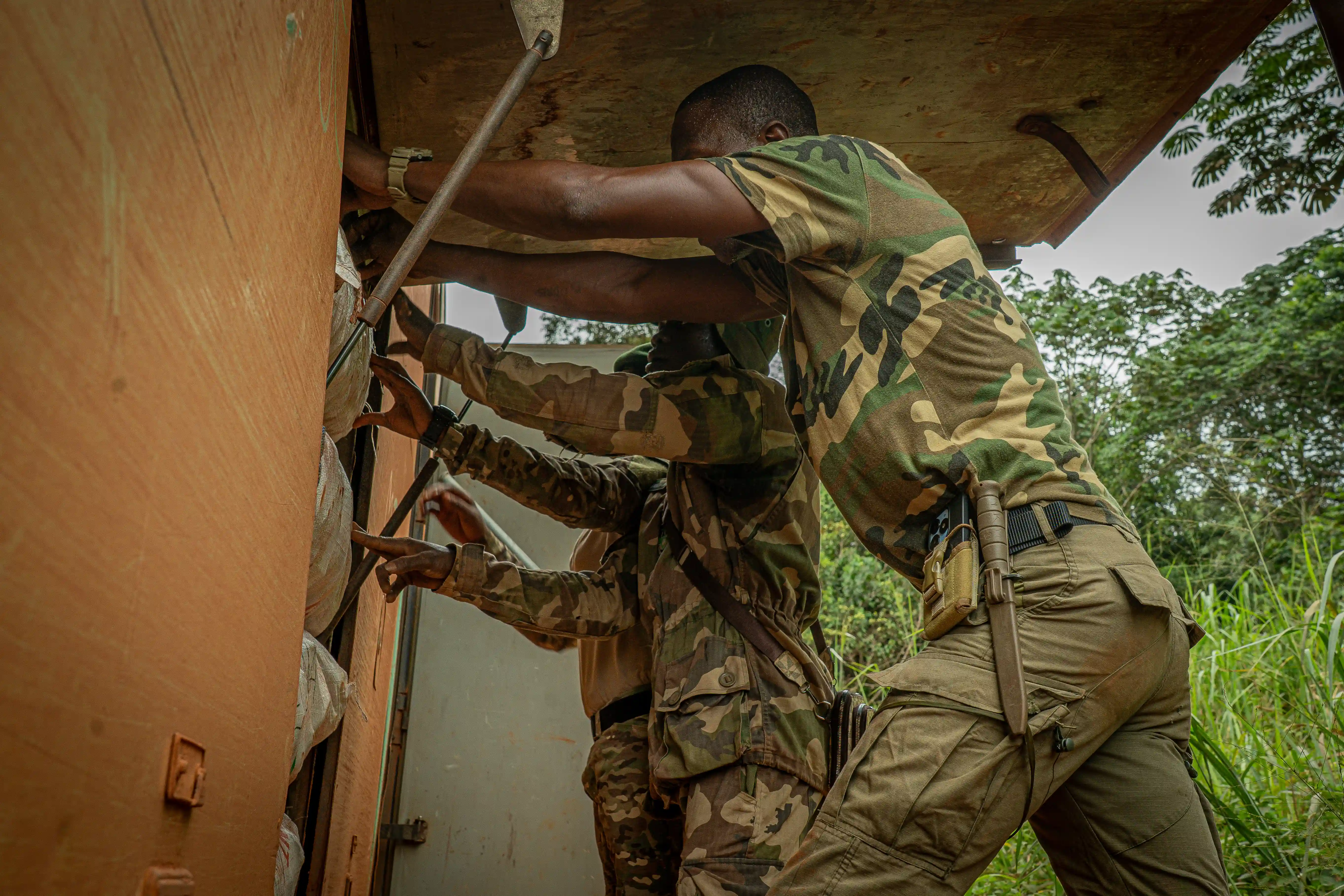
Approximately 95% of the rangers are from surrounding communities, ensuring that protection efforts remain firmly rooted in local knowledge and stewardship.
Ninety-five percent of the park’s rangers are from surrounding communities — people who know the forest because it is their home. Rangers received healthcare and educational opportunities for their families, investments that recognised conservation as a professional, long-term career. The deep relationships built over the previous two decades created a foundation of trust that proved crucial Ndoki’s resilience to the poaching crisis compared to many protected areas in the region.
What the Forest Built
Just a generation ago, formal education was unimaginable in a village that stood among the Republic of Congo's most isolated settlements, reachable only by boat and surrounded by seemingly endless forest. Today, as the sounds of children's laughter and learning emerge from the village's modern schoolhouse, Bomassa tells a different story.
Inside the village clinic, a young mother waits while her infant receives vaccinations – healthcare that once required a perilous multi-day journey. Outside, men and women prepare for work – 80% of households have at least one member working for the park. This income has become a vital complement to traditional livelihoods, offering stability alongside existing ways of life.
The transformation didn't happen overnight. As Nouabalé-Ndoki National Park developed over three decades, Bomassa evolved alongside it, not as a bystander but as an essential partner.
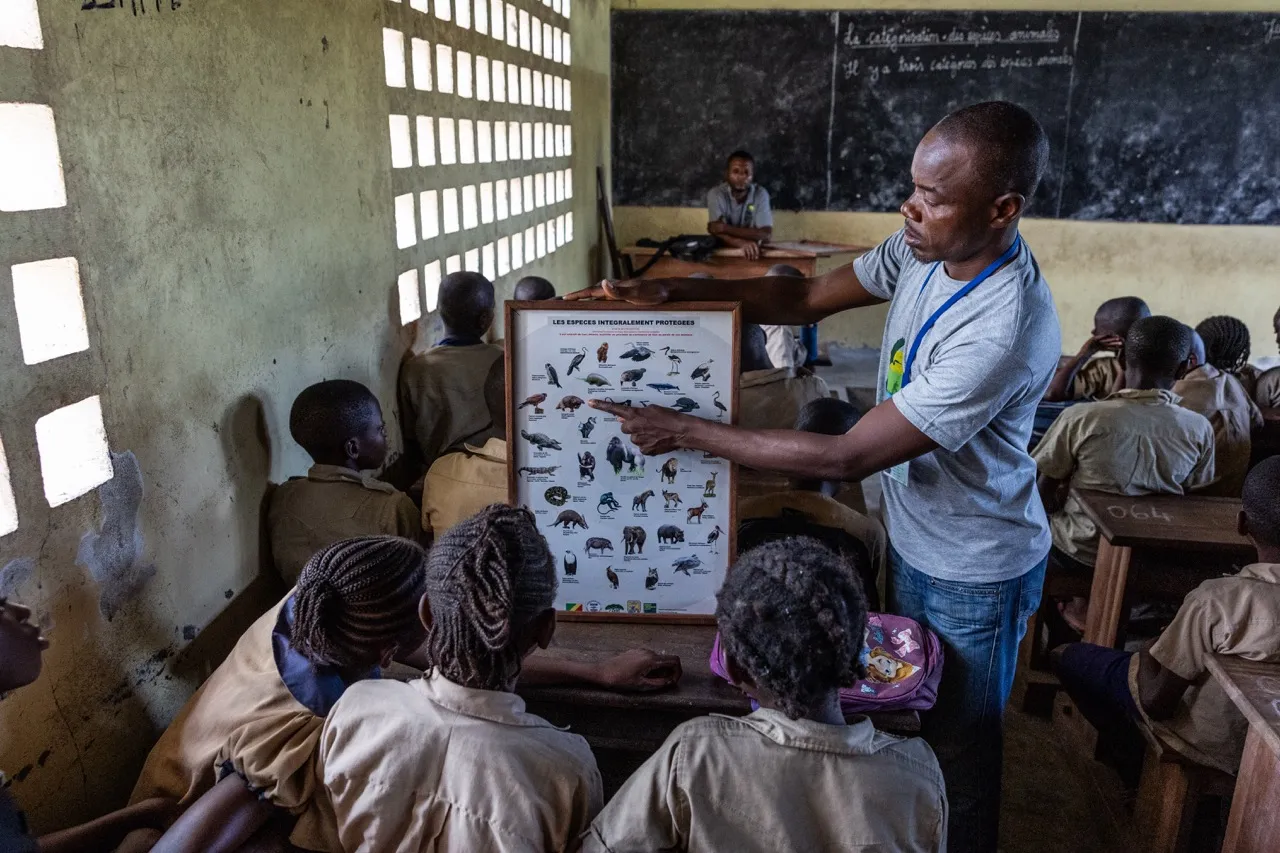


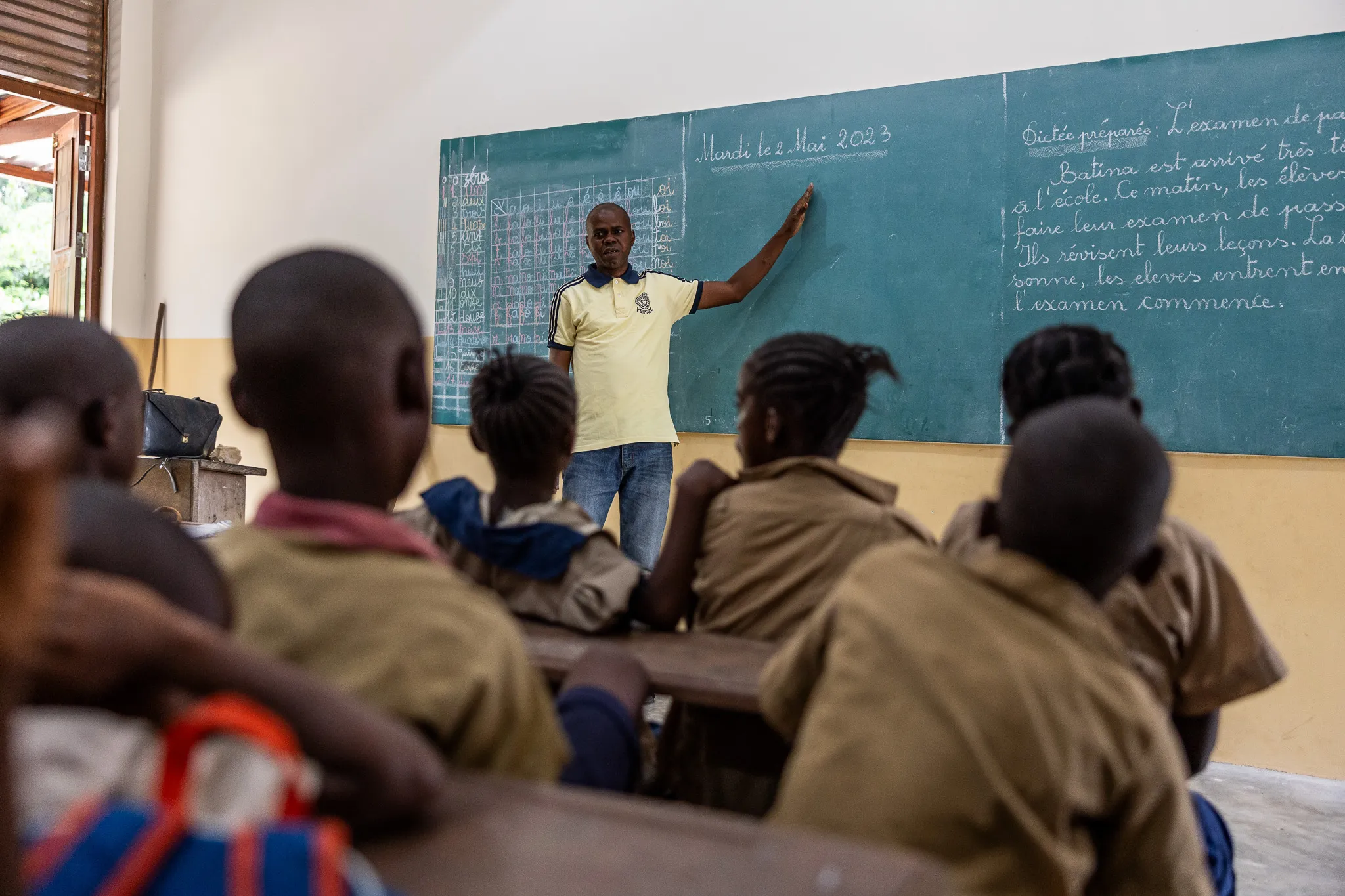
The transformation didn't happen overnight. As Nouabalé-Ndoki National Park developed over three decades, Bomassa evolved alongside it, not as a bystander but as an essential partner.
Conservation created jobs as rangers, researchers, and guides. Infrastructure followed: schools, healthcare, clean water. What makes this evolution remarkable isn't just better schools and clinics, it's the shift in relationship with the forest. Where exploitation once seemed the only economic pathway, Bomassa now demonstrates something profound: protecting nature's health creates more sustainable livelihoods than depleting it.
Protecting nature's health creates more sustainable livelihoods than depleting it.
For the Ba'Aka people, whose traditional forest knowledge has always been essential to life in this landscape, the park has created new opportunities. Their expertise in tracking and forest ecology — once undervalued — is now recognized as essential to conservation work, bringing fair employment and a respected role in the park's protection efforts alongside their continued cultural practices.
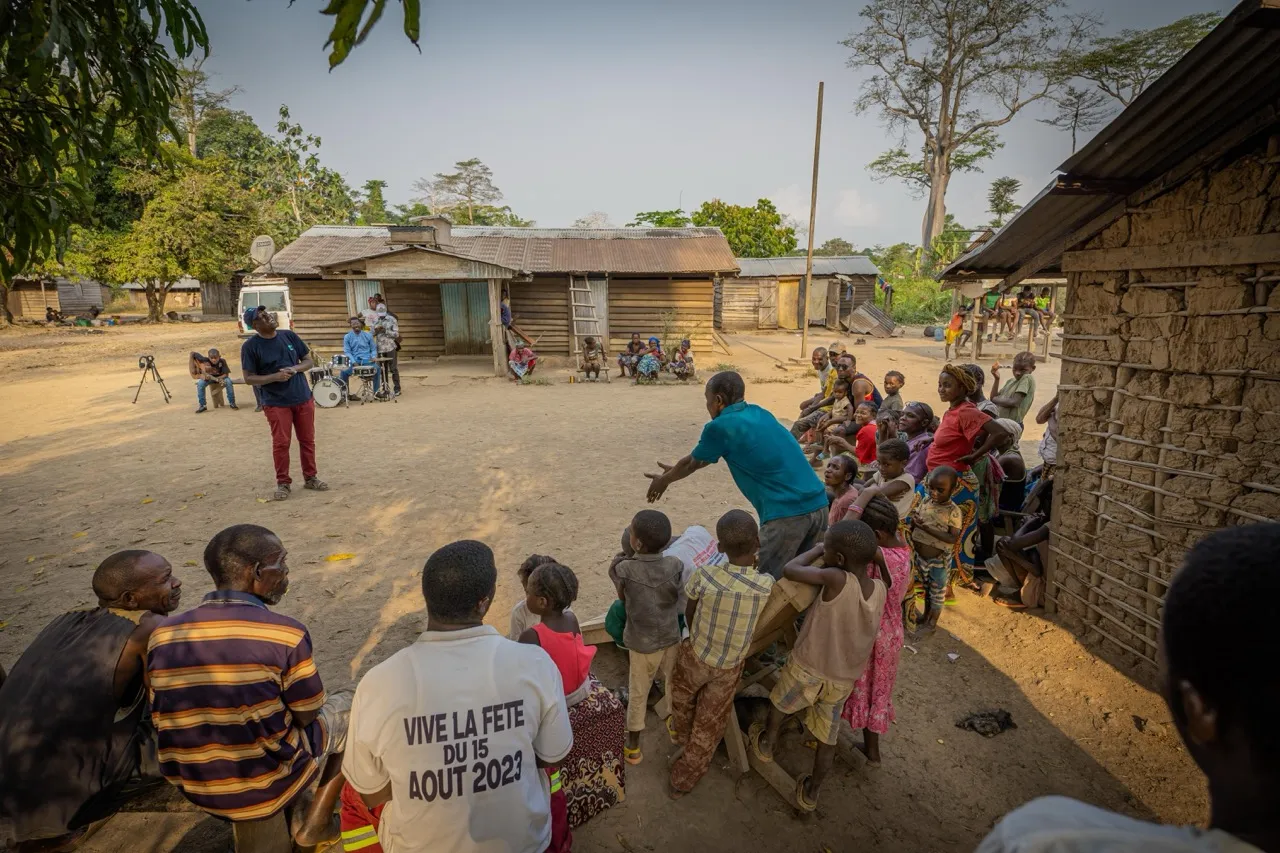
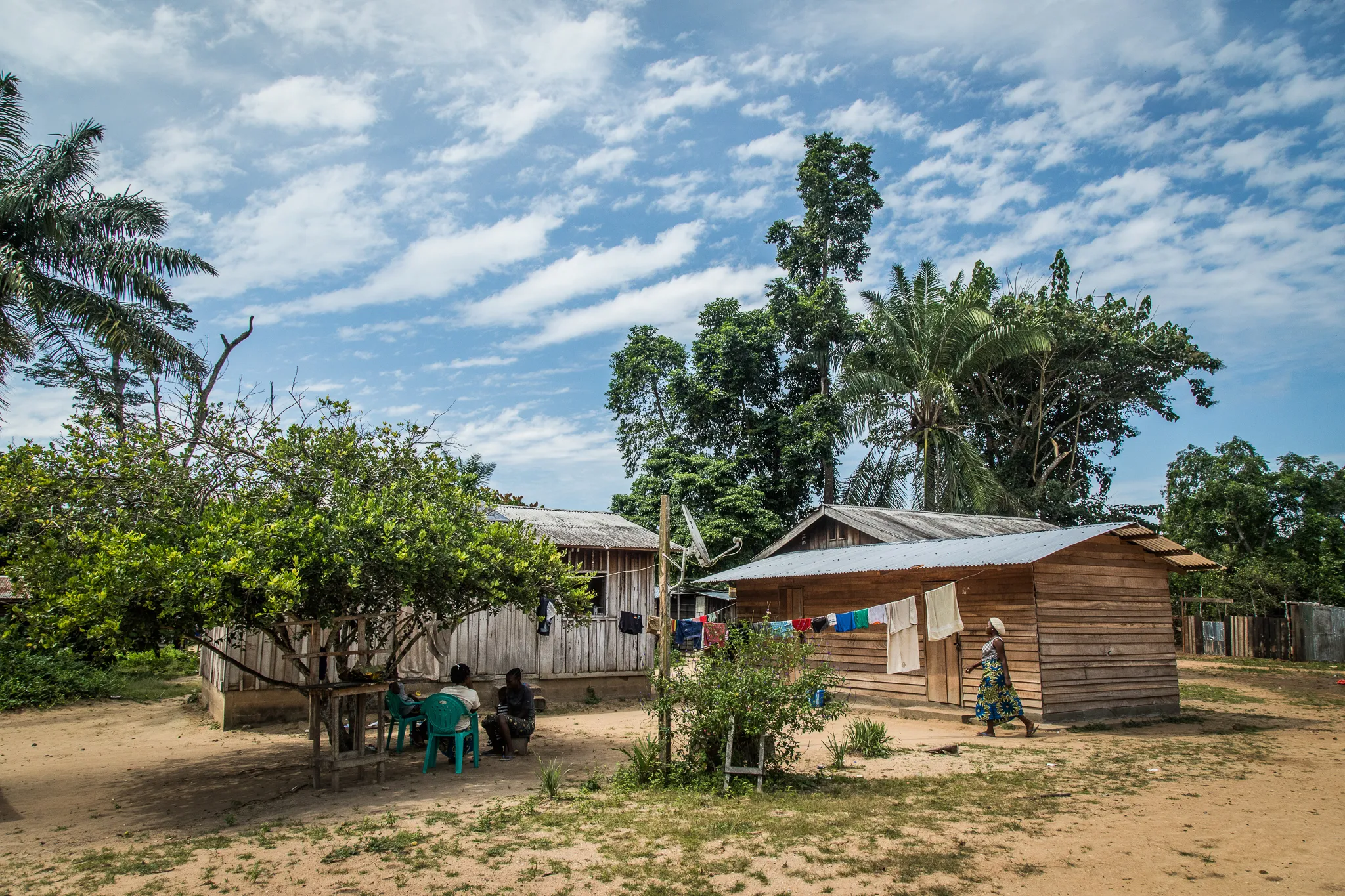
The evidence is visible in the solid construction of new homes, the solar panels powering small businesses, the children dreaming of careers as biologists and rangers. This isn't conservation imposed from outside, it's the flourishing of locally-rooted solutions developed with and for the people who call this remarkable landscape home.
Indigenous knowledge meets scientific expertise
At Nouabalé-Ndoki, the most profound conservation insights emerge at the intersection of knowledge systems: where GPS units and satellite imagery meet tracking skills honed over countless generations, where scientific methodology meets ecological understanding embedded in cultural practice.
The result is a fundamentally different kind of conservation – one that recognizes local and Indigenous expertise not as supplementary but essential, producing insights and protection strategies that neither approach could achieve alone.
Deep in the park, Indigenous tracker Gaston Abea solved a mystery that had puzzled researchers for years. When gorillas systematically scratched at soil, scientists assumed they were hunting insects. But Gaston — drawing on the extraordinary observational skills that Ba’Aka trackers hone over a lifetime — spotted what others had missed: tiny deer truffles, no bigger than a grain of rice, hidden in the forest floor. It was a discovery that changed how researchers understood gorilla ecology, and it came not from a laboratory but from generations of intimate knowledge of the forest.
Through WCS’s capacity-building programme, Gaston documented this behaviour meticulously, eventually becoming the first Indigenous lead author on a peer-reviewed scientific paper in the Ndoki landscape. His findings helped inform the decision to incorporate the Djéké Triangle into the park in 2023 — extending protection to an area whose significance only became clear through the partnership between scientific methodology and traditional knowledge.
Over 100 research assistants have been trained at Ndoki since 2005, with a dozen Congolese conservationists now holding advanced degrees from universities across three continents. When expertise resides with the people most deeply connected to these forests, protection becomes self-sustaining.
A bridge over troubled waters
Today, sixty kilometres away, steel and concrete rise from the Sangha River as workers race to complete a bridge that will transform the region. Soon, a paved highway from Ouesso to Bangui will become the only road bisecting the Congo Basin from north to south — slicing through this once-remote region.
What took days to reach will be accessible in hours.
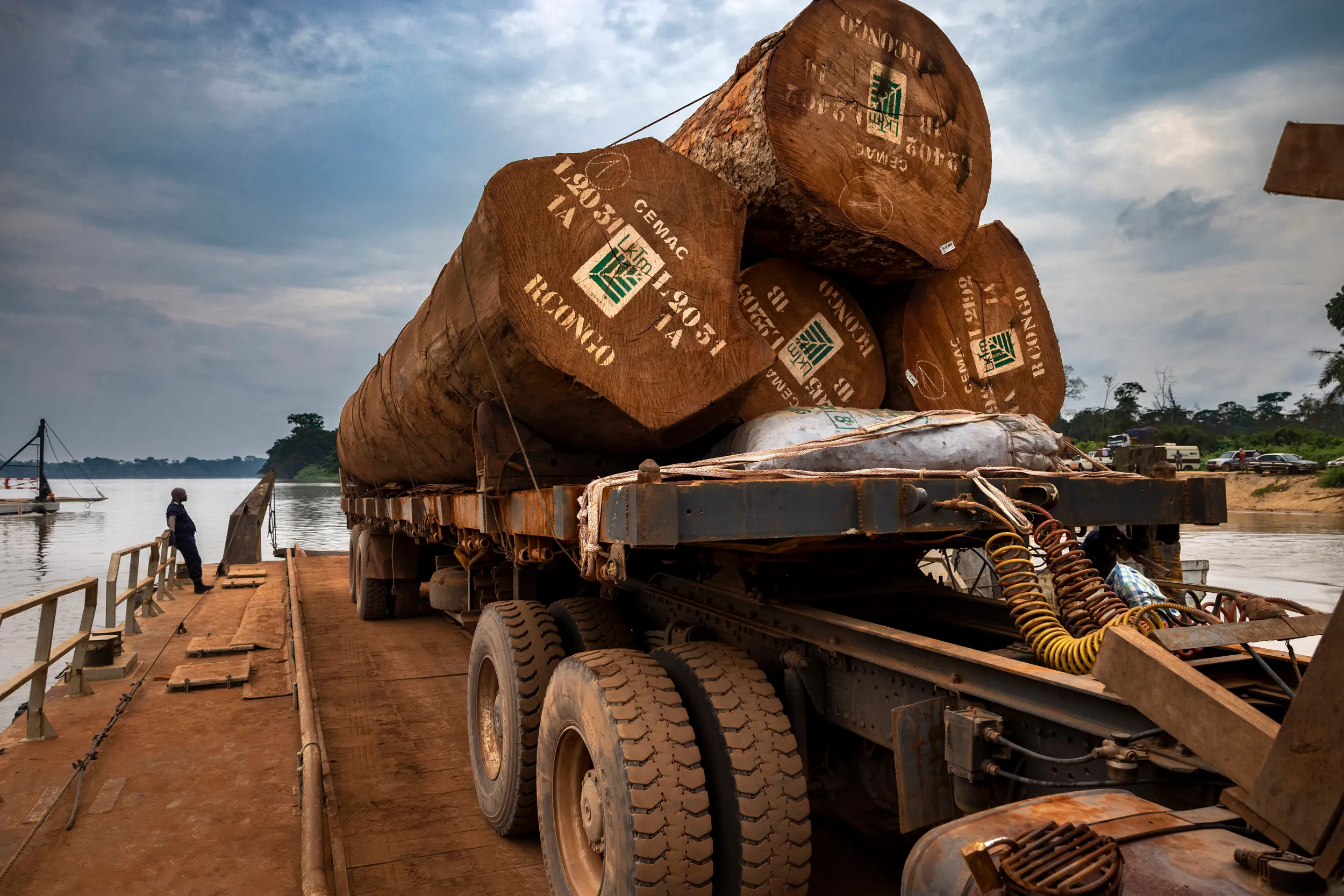
Logging towns that were once small, isolated settlements are growing into urban centres with increasingly diverse economies. New commodities are entering the landscape — cacao cultivation has arrived, bringing economic opportunity but also powerful incentives for forest clearing. Unlike selective logging, which maintains forest cover, agricultural expansion typically removes trees completely, converting complex ecosystems into single-crop plantations.
The coming wave of development presents a fundamentally different challenge from anything Ndoki has faced before — one that threatens not just the park, but the entire landscape surrounding it. As bulldozers reshape the riverbank and new bridges span waterways that once served as natural barriers, conservationists face a question that has no precedent here.
Can development become a force that sustains rather than harms the living systems we depend on?
The Congolese government rightfully seeks to develop its infrastructure and economy. Local communities have legitimate aspirations for improved livelihoods. The challenge isn't to prevent development but to help shape it.
WCS is working to create financial value for standing forests — exploring whether new economic models can help keep this landscape intact. Communities once dependent on timber and hunting are already generating income through eco-tourism, certified forest products, and ecosystem services — proof that conservation can create economic opportunity aligned with forest protection.
This is critical because what makes Nouabalé-Ndoki irreplaceable is not just what exists within its borders, but its power to regenerate and reconnect an entire region. When animals move from Ndoki into surrounding forests, they spread seeds, reshape vegetation, and restart ecological processes that have disappeared elsewhere. Across Central Africa, empty forests that have lost their wildlife are slowly weakening. Ndoki is where recovery begins.
This forest stores vast quantities of carbon, harbours irreplaceable Indigenous knowledge, and serves as one of the last reference points for what a healthy tropical ecosystem looks like. What happens here in the coming years will determine whether one of Earth's last great wild places can continue to hold — and whether the region around it can recover.