
Building Foundations for Nature to Endure
A Letter from the Executive Vice President of Global Conservation
Joe Walston
This is WCS’s first Africa Impact Report.
It arrives at a moment when the continent's intact ecosystems, some of the largest remaining on Earth, face compounding pressures that will determine the fate of these landscapes. Infrastructure, mining, and agricultural expansion are opening-up previously remote areas that are also increasingly impacted by climate change. All this while, the window to reach global conservation targets for 2030 is narrowing fast.
And yet, across the places where WCS works, conservation is working and nature is thriving.
WCS operates in places that meet both of two criteria: the most important places for nature, and where we can have the greatest impact. This takes us to challenging places, where our absence would result in irreversible losses for irreplaceable ecosystems. Through this approach, we can have the greatest impact on wildlife and wild places.
The risks are real: political instability, conflict, economic pressure. But staying when others withdraw — keeping protections in place, preserving and growing partnerships, advancing policy reforms even in crisis — is what makes our model work and nature’s recovery possible.
The results speak for themselves.
Wildlife is stabilizing
and beginning to recover
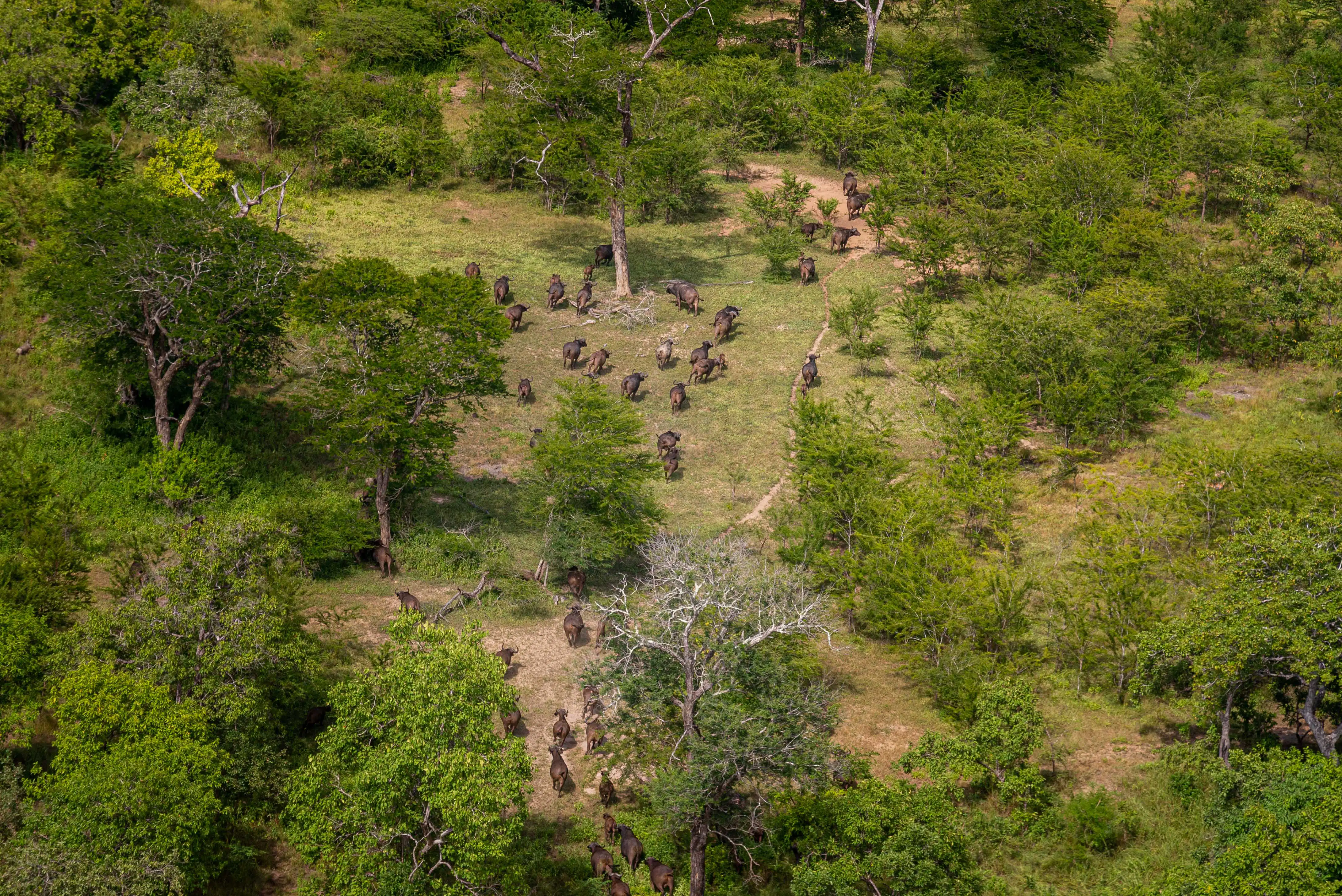
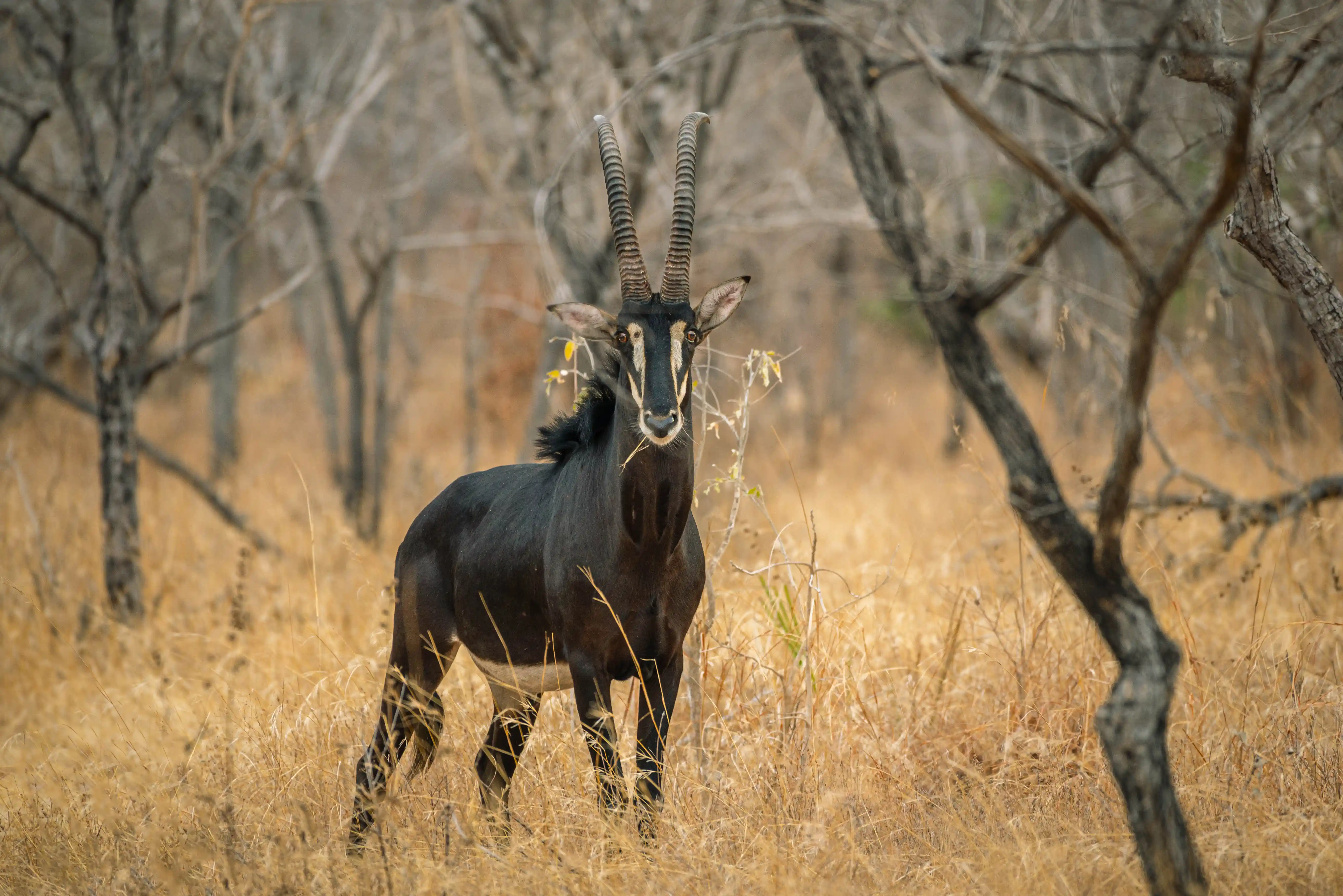
In Mozambique’s Niassa Special Reserve, elephants increased by 40% to 4,400 individuals. Buffalo quadrupled to over 20,000.
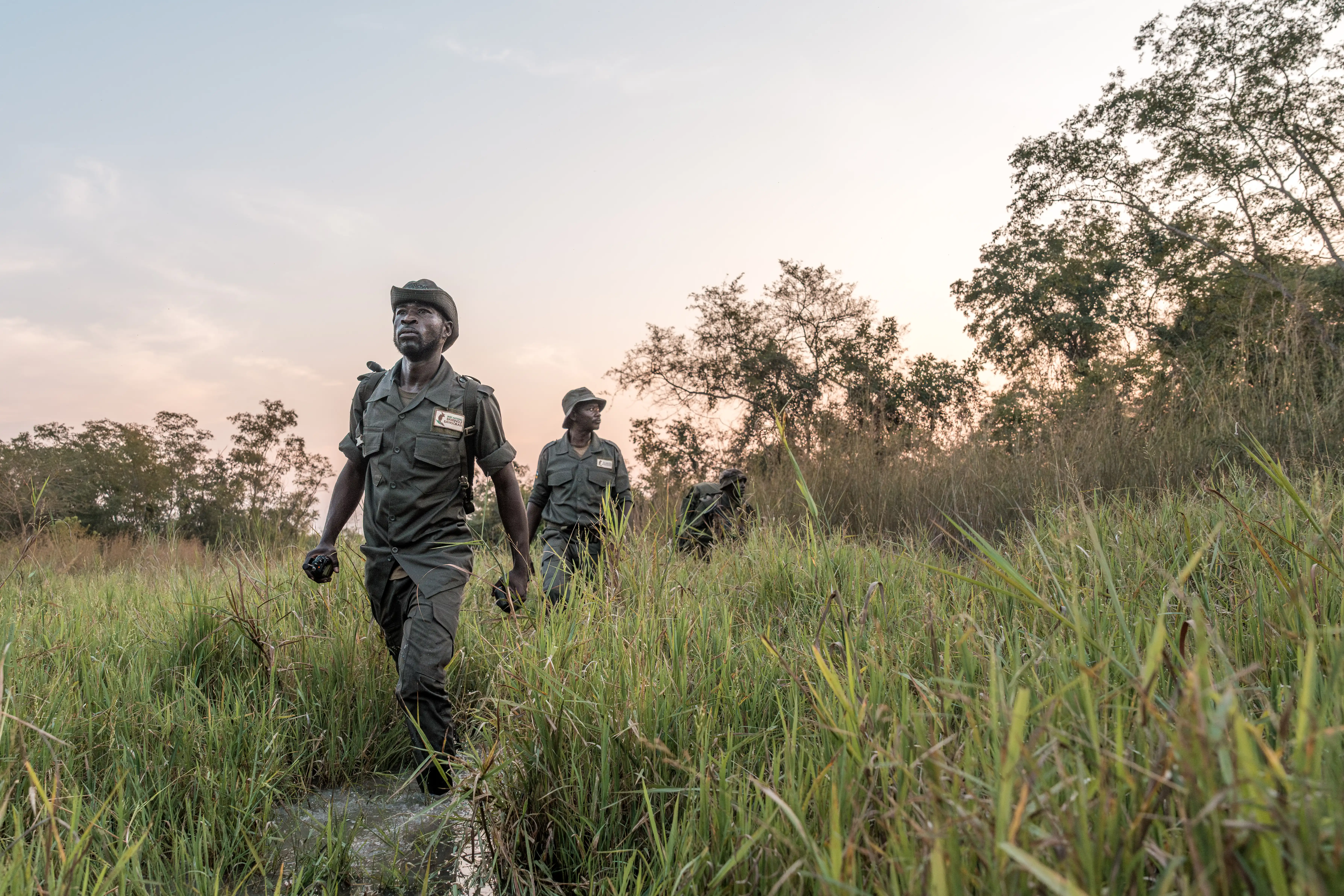
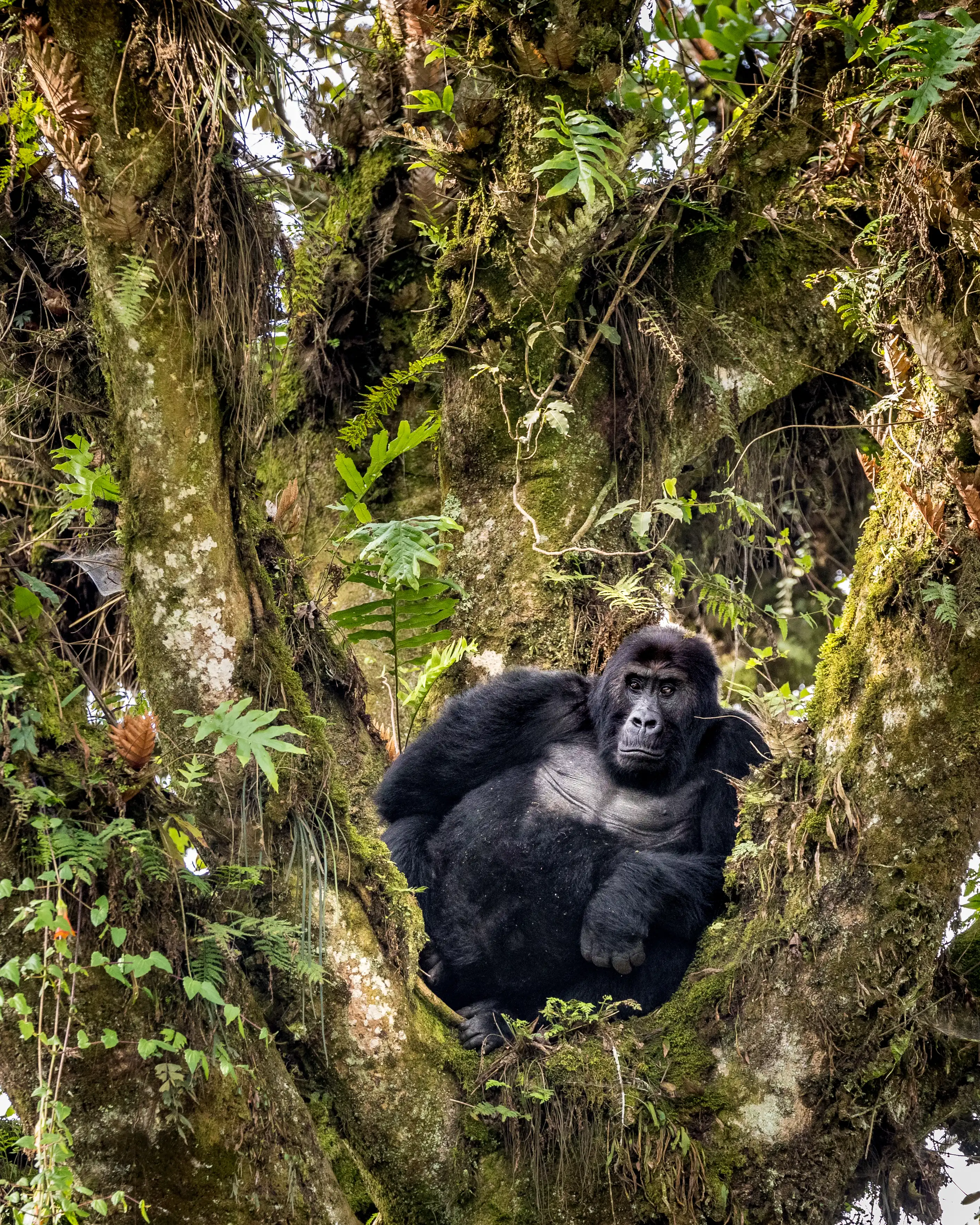
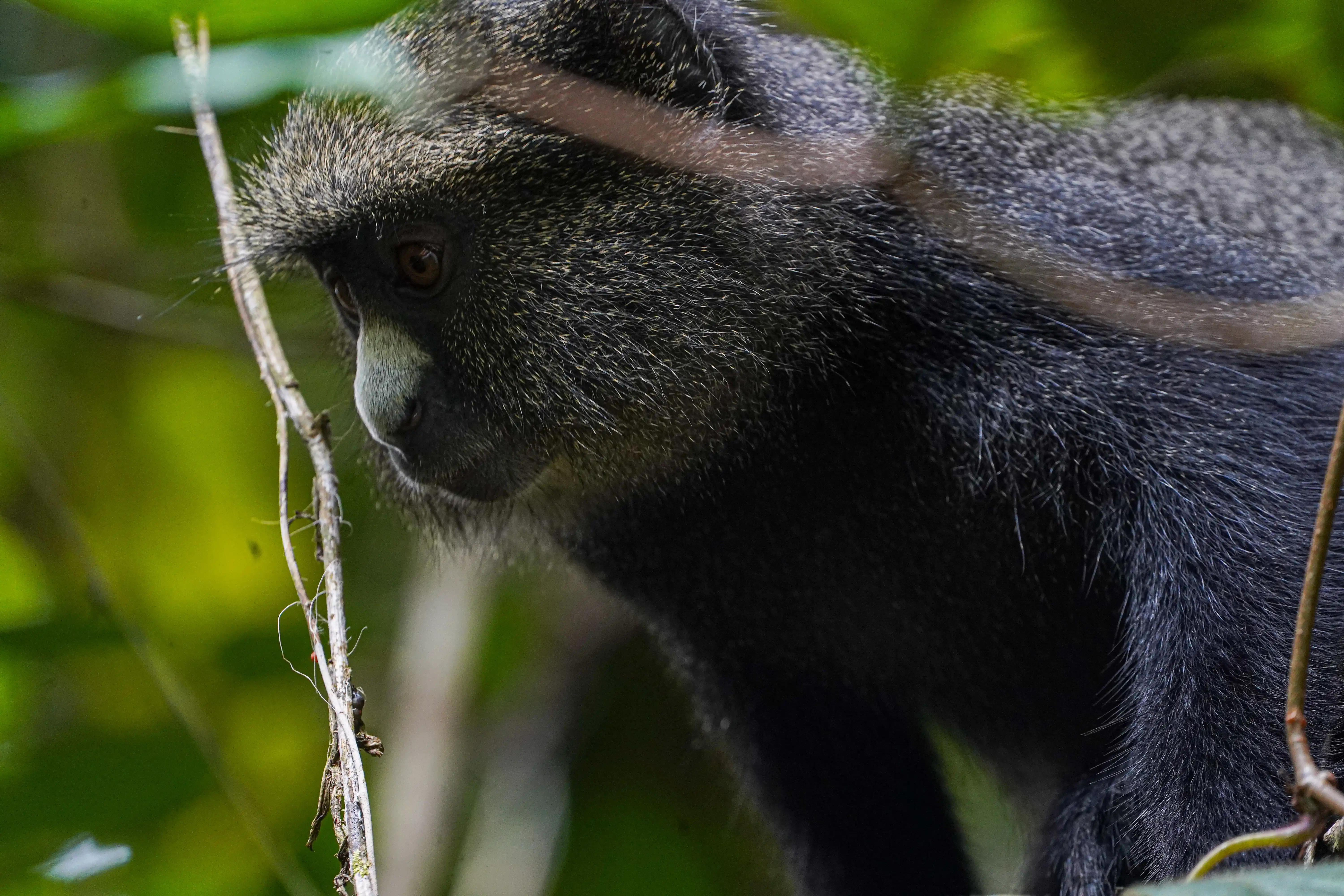
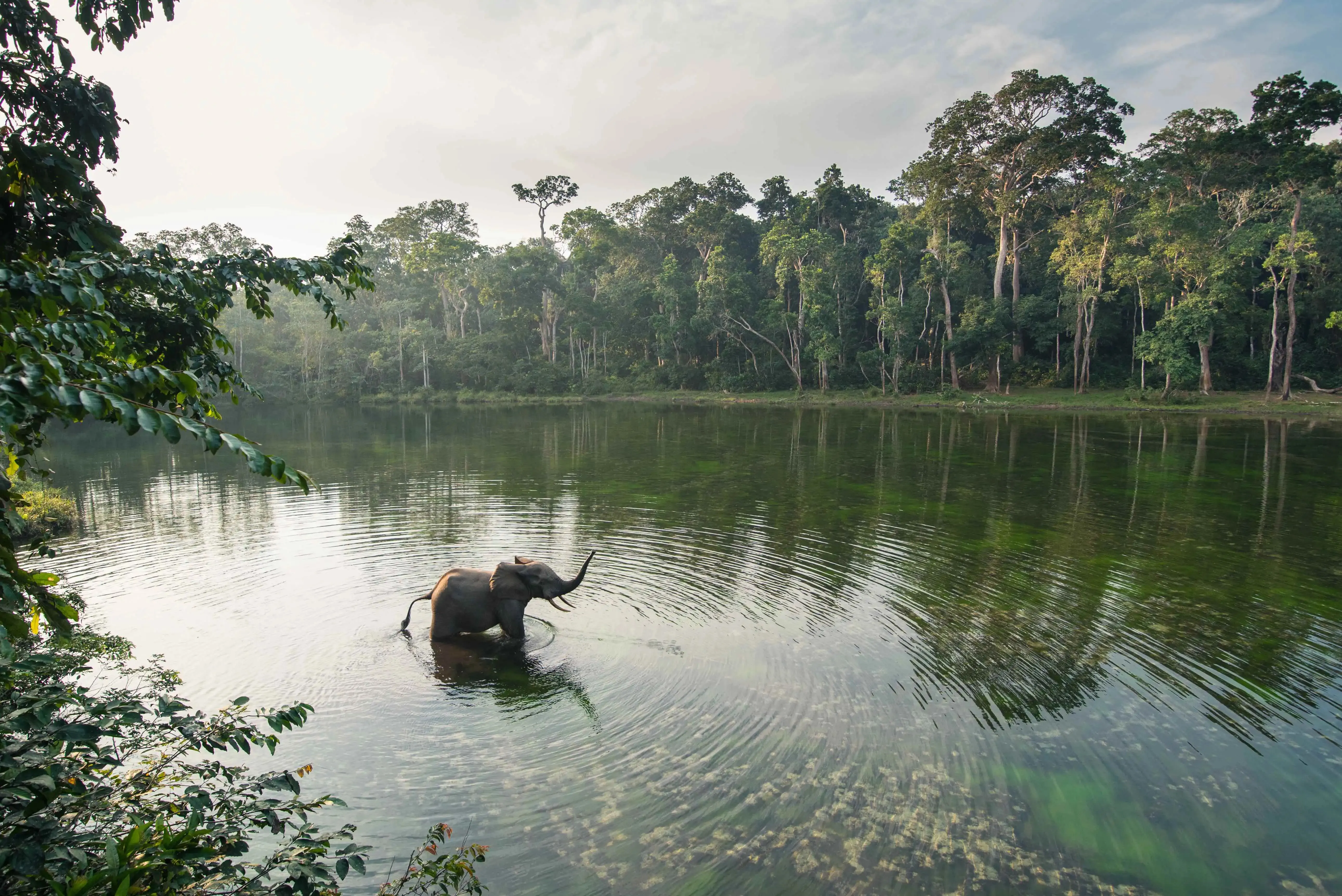
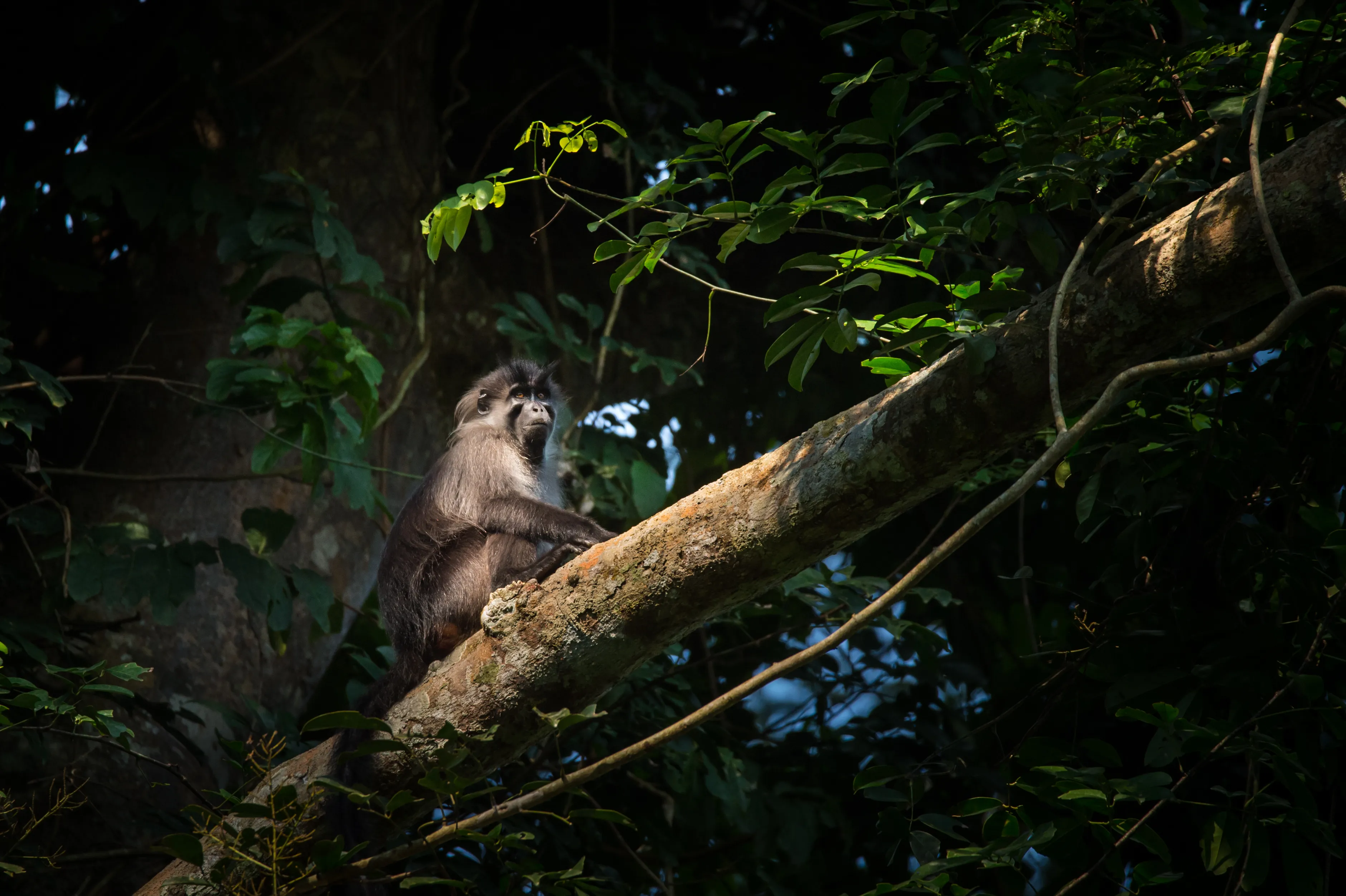
In the Central African Republic’s Bamingui-Bangoran National Park, camera traps captured lion cubs for the first time in decades, proof that even in extreme fragility, wildlife recovers when protection holds. In the Republic of Congo’s Nouabalé-Ndoki, forest elephants remain stable despite regional declines.
.webp)
%20copy.webp)
Our partnerships with
governments are deepening.
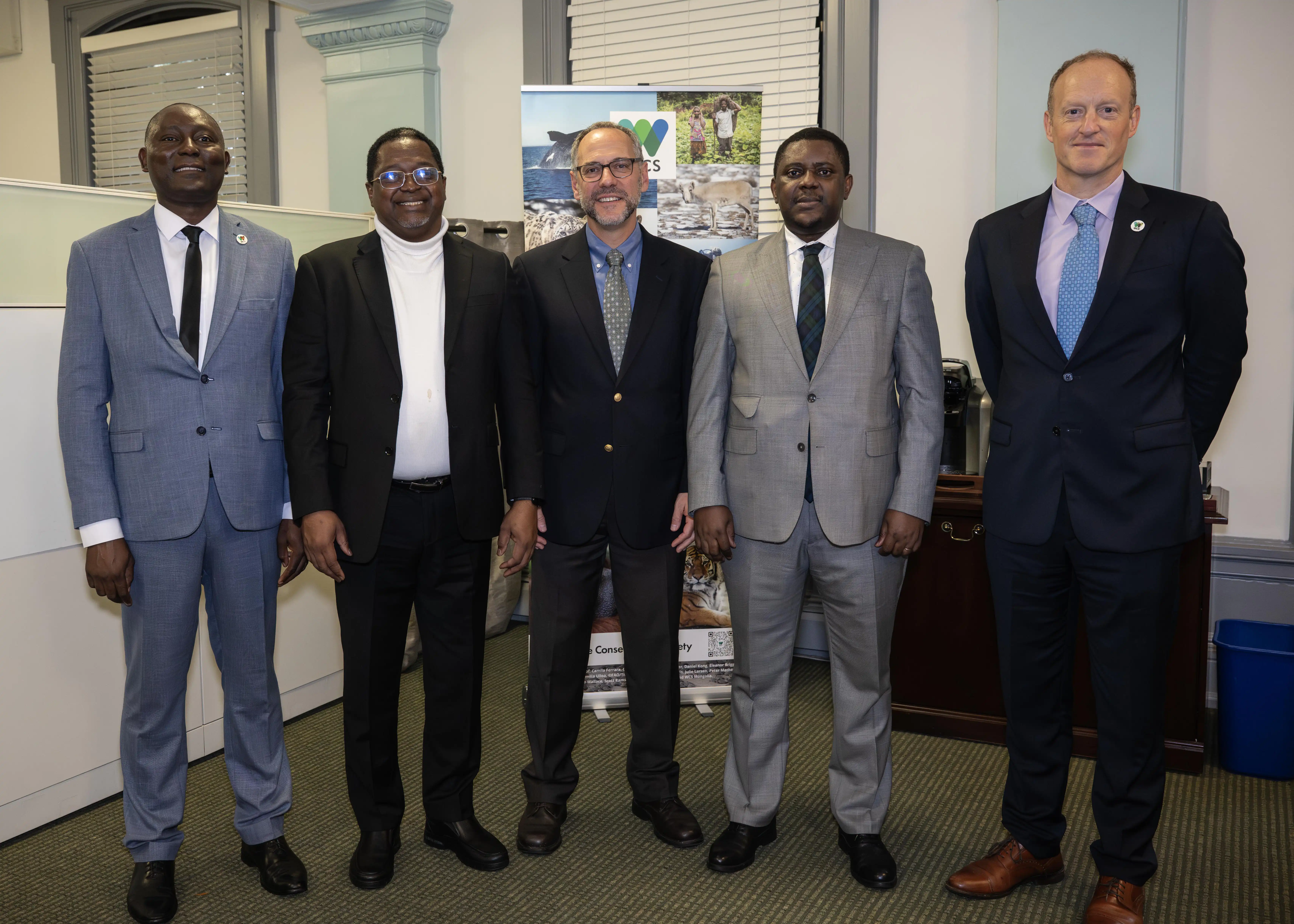
In Gabon, after two decades of sustained engagement, we signed partnership agreements for four exceptional national parks — Ivindo, Loango, Lopé, and Mayumba — where we will develop management contracts over the coming year. This is a step towards realizing a vision we helped shape when the country created its park system back in 2002.
New financing models
are taking hold
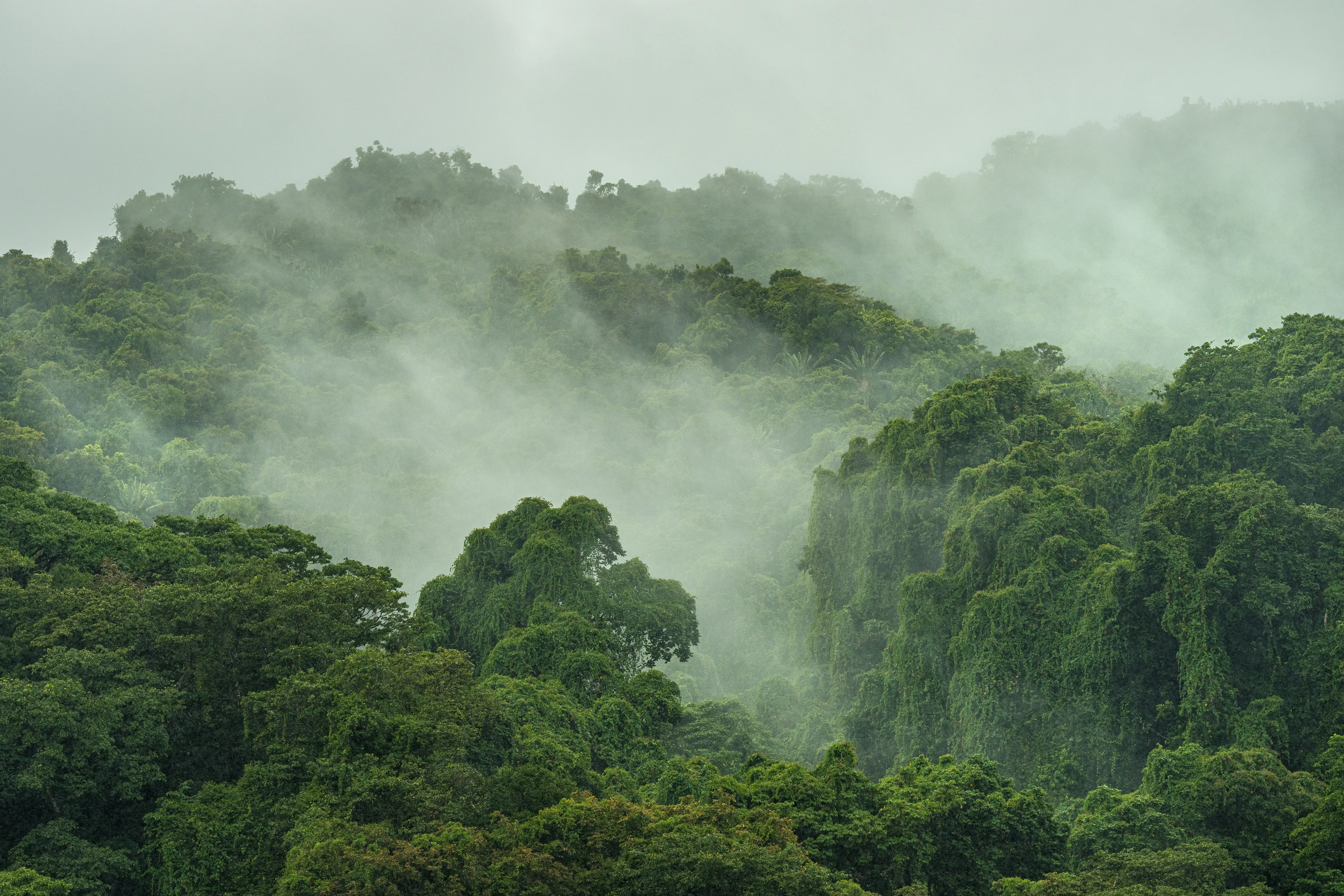
In Madagascar, carbon finance is generating revenues for both protected area management and for over 90,000 people managing forests, and a landmark $8 million commitment from Rio Tinto to fund technical processes that will lead to historic carbon credit sales from the Makira Natural Park REDD+ Project shows that high-integrity conservation can attract investment at scale.
In the Democratic Republic of Congo, the Community Fund for Forests is channeling resources directly to local communities while also building local capacity to formally protect and govern forests.
And communities are
gaining real authority
In Niassa, we are establishing Mozambique's first community-managed conservation concession inside a protected area.
Indigenous and local community representatives in the Democratic Republic of Congo are now directly involved in the management boards of Okapi Wildlife Reserve and Kahuzi-Biega National Park, where they influence priorities and co-design solutions. In Zanzibar, we helped establish two new Marine Protected Areas covering over 1,300 km² of critical coral reefs and seagrass ecosystems, co-designed with local communities through the most extensive consultations in the region's marine history.

The path forward
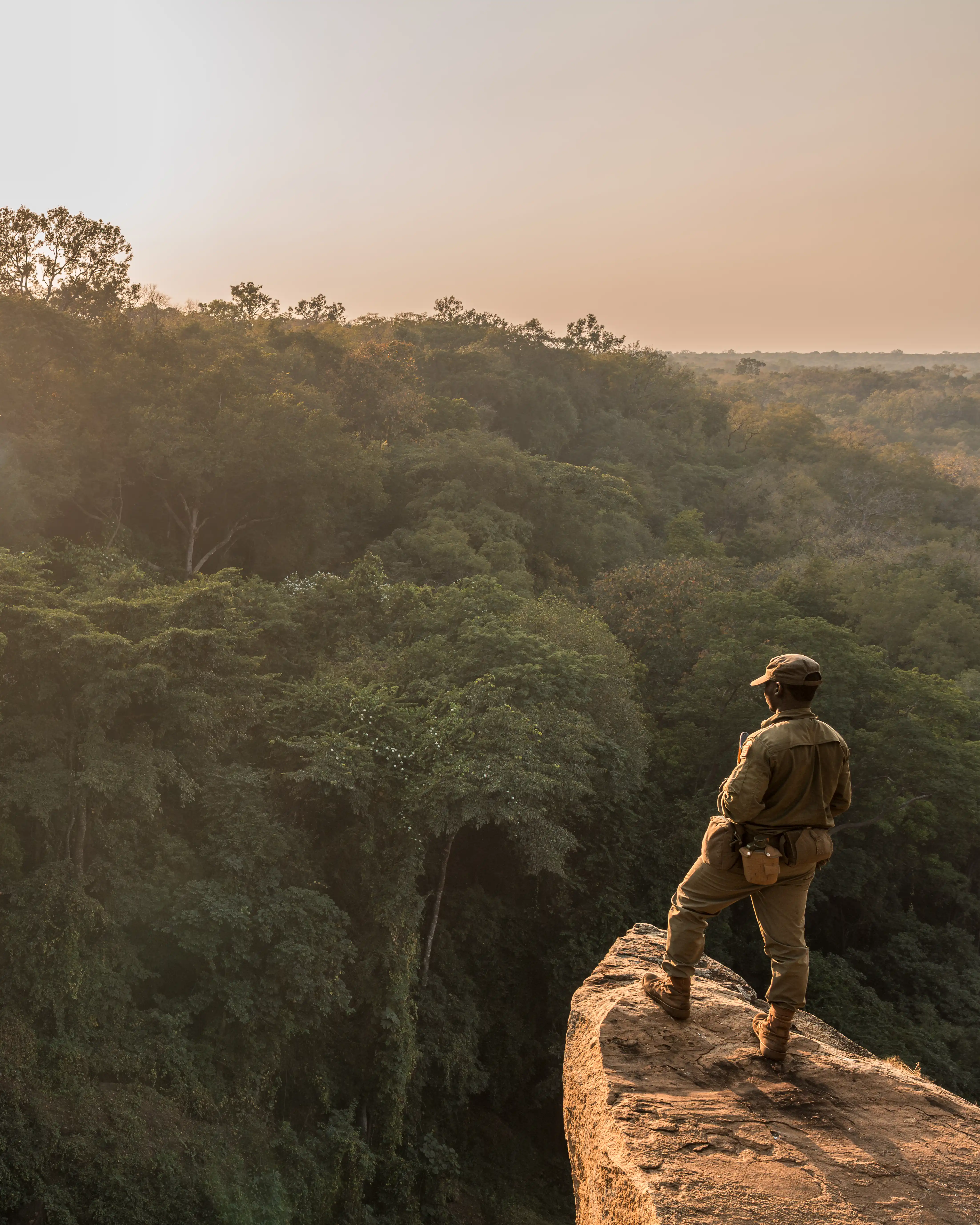
Across our portfolio, Protected and Conserved Areas function as strategic anchors — sites whose ecological importance and potential for impact far exceed their geographic footprint.
Under the Africa Keystone Initiative, we are strengthening collaborative management agreements across six of these anchor sites, covering 67,000 square kilometers of Africa’s most irreplaceable landscapes. We are now negotiating new agreements across a further thirteen protected areas.
These are not isolated victories. They represent a continental shift and collaborative leadership that ensures nature endures.
Each well-managed Protected Area doesn't just protect what's within its boundaries — it stabilizes and provides benefits across wider landscapes. Governments and communities see results and want to build on them.
What we protect today will shape the trajectory of nature across Africa for generations to come. And while the pressures on Africa’s high-integrity ecosystems are intensifying, so is the momentum to conserve them.