
Courage, partnership and innovation
A look at Noubalé-Ndoki through the years
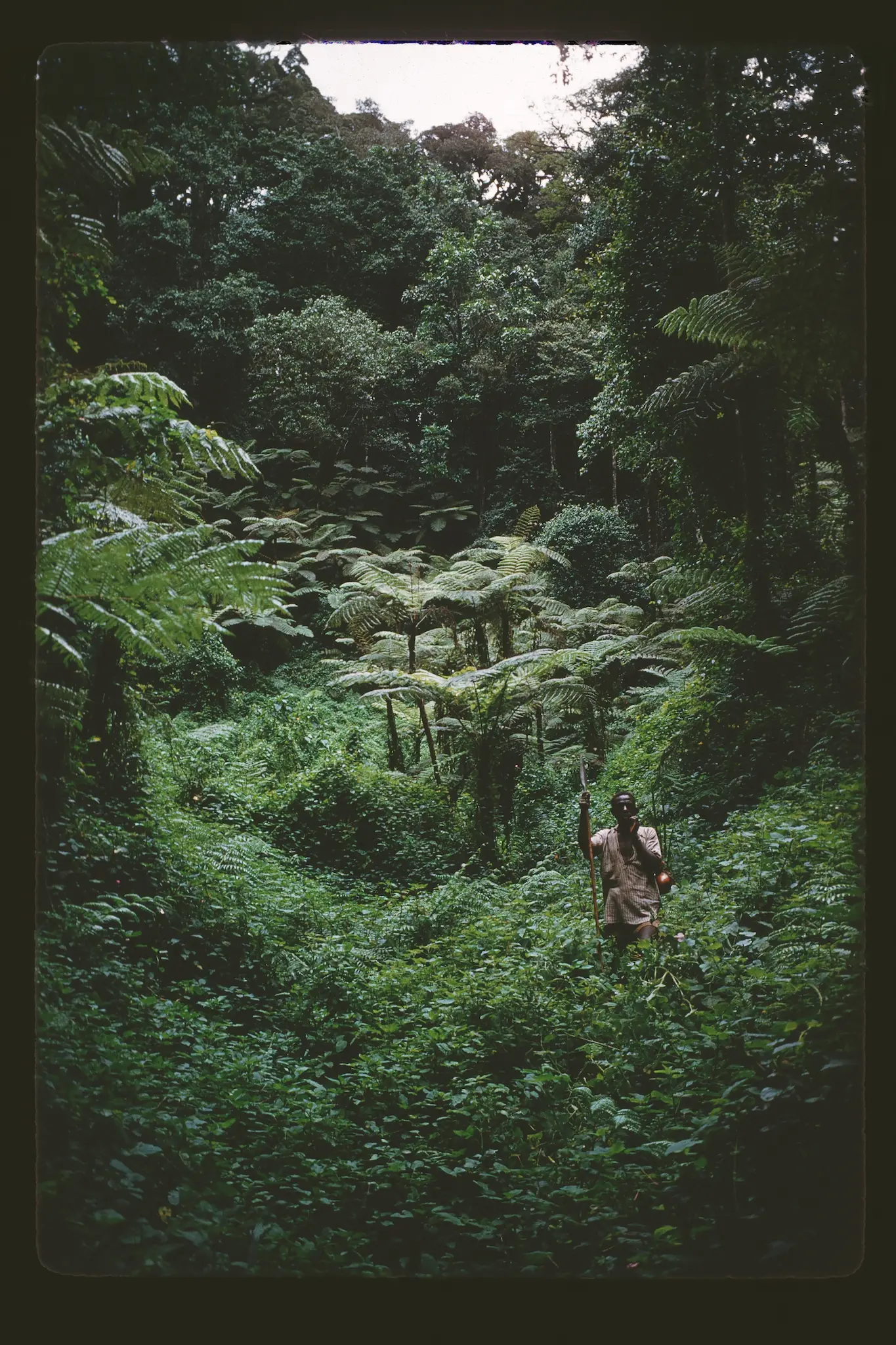
Wildlife Conservation Society researchers, including Mike Fay and Marcellin Agnagna, begin surveying a remote region of northern Congo. They discover an ecosystem with extraordinary biodiversity and minimal human impact. The area is so ecologically significant that it will later be nicknamed "The last place on Earth."
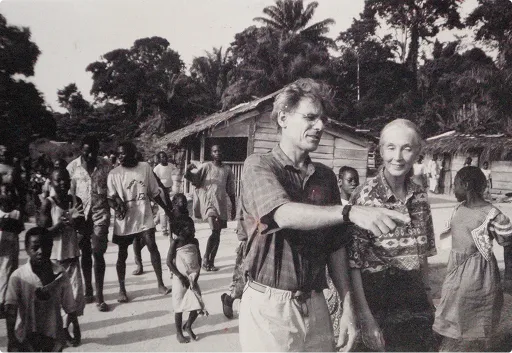
The area is designated as a logging concession awaiting allocation to timber companies. WCS recognizes an urgent need to secure protection before the bulldozers arrive. A critical partnership emerges between scientists and indigenous Ba'Aka trackers, whose traditional knowledge of the forest proves essential for documenting the area's remarkable biodiversity. This relationship between scientific and Indigenous expertise becomes foundational to Noubalé-Ndoki's conservation.
.webp)
After intensive negotiations between WCS, the Congolese government, and Indigenous Peoples and local communities, Nouabalé-Ndoki is officially designated as a National Park, covering approximately 4,000 square kilometers of pristine rainforest. The first research stations are built in the trees at the edges of forest clearings. These stations represent the first conservation infrastructure in the park.
Commitment and collaboration
.webp)
Civil war erupts in the Republic of Congo, creating an immediate threat to conservation efforts. While most international organizations evacuate, a skeleton crew of dedicated WCS and local staff remain at great personal risk to maintain a conservation presence. This longterm commitment – staying when others leave – builds lasting trust with communities and government partners, and is a core WCS value that continues today.
.webp)
Forest concessions are allocated in areas surrounding the park, creating a critical decision point for conservation strategy. Rather than taking a confrontational approach, WCS makes the controversial but visionary choice to collaborate with logging companies. This leads to the establishment of PROGEPP (Project for Ecosystem Management in the Periphery of the Park), extending conservation practices across 1.3 million hectares of surrounding forest.
.webp)
The collaborative approach yields results as timber company CIB achieves the first Forest Stewardship Council certification in the country, a "green seal" verifying responsible harvesting. Selective logging maintains forest canopy and wildlife habitat, buffer zones protect areas near the park, hunting is regulated, and wildlife corridors remain intact. The approach creates a gradual transition from protected core to managed forest, showing how commercial activity and conservation can exist in balance.
.webp)
From stabilizing to scaling
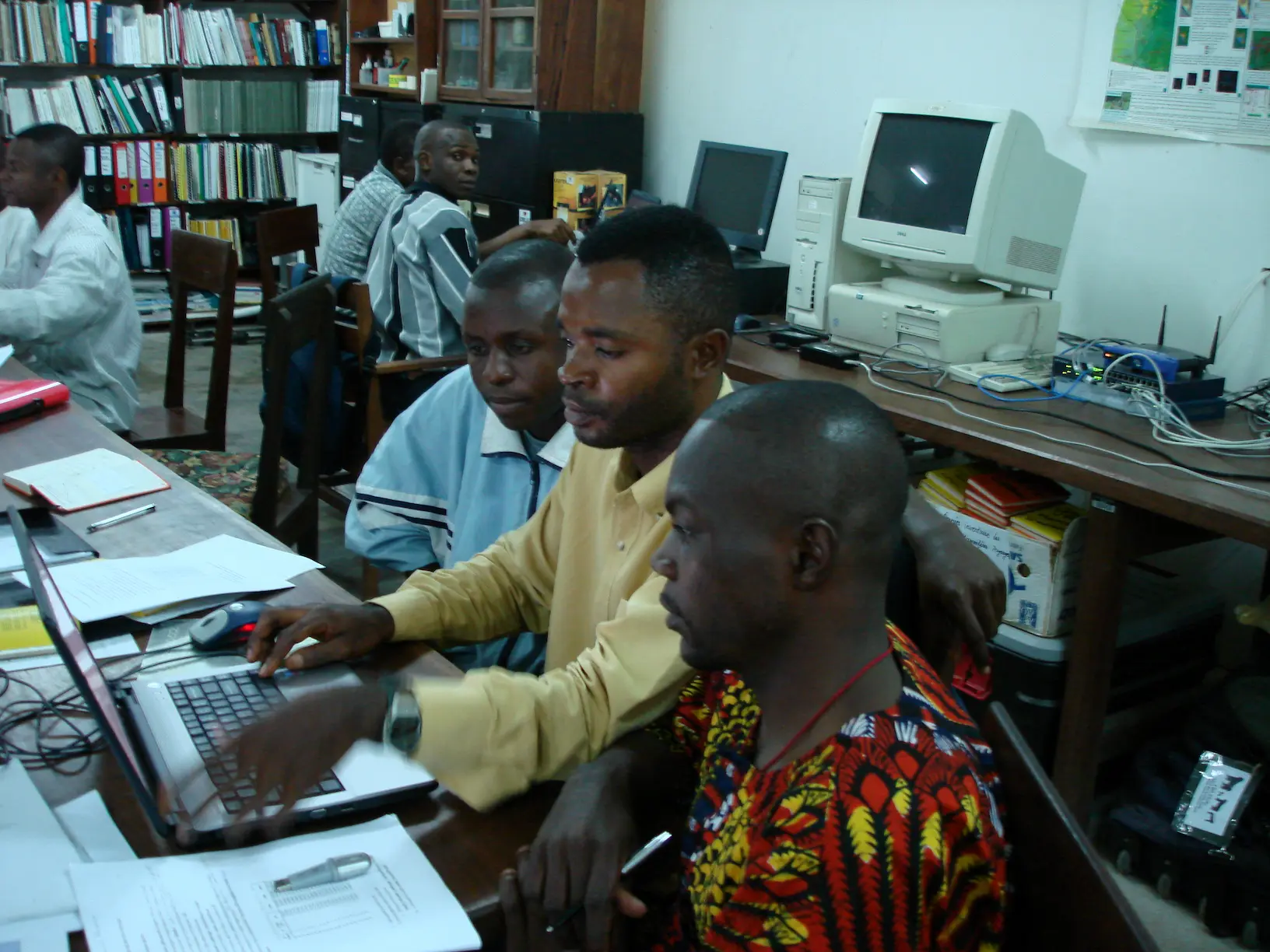
Recognizing that wildlife doesn't respect national boundaries, WCS helps establish the Sangha Trinational initiative, connecting Nouabalé-Ndoki with protected areas in neighboring Cameroon and the Central African Republic. Following a decade of transboundary collaboration, rangers begin conducting joint patrols, wearing badges bearing the flags of all three countries. This unprecedented cooperation creates an integrated approach to protecting the whole landscape.
.webp)
Villages like Bomassa and Makao, once among the most remote in the Republic of Congo, begin to transform as conservation creates economic opportunities. Schools are established, eventually growing to accommodate up to 480 pupils. Health clinics provide essential medical care previously unavailable in this remote region. These tangible benefits demonstrate how conservation can drive prosperity even in areas far from traditional economic centers.
The first indicators of organized ivory poaching appear in the region as international ivory prices begin to rise. Initial response focuses on traditional anti-poaching measures, but it becomes clear that a more sophisticated approach will be needed to address this emerging threat. The situation foreshadows the coming crisis and prompts strategic planning for enhanced protection.
Innovating for resilience
As ivory prices skyrocket globally, heavily armed poaching gangs target Central Africa's remaining elephant populations. Protected areas across the region lose 60-80% of their elephants in just a few years. The traditional model of park protection proves insufficient against this organized, militarized threat. New approaches are urgently needed to prevent Nouabalé-Ndoki from suffering the same fate as other conservation areas.
.webp)
In response to the poaching crisis, WCS and the Congolese government establish the Nouabalé-Ndoki Foundation through an innovative public-private partnership. This groundbreaking governance model enhances management effectiveness, increases funding, and creates greater accountability. Anti-poaching efforts evolve rapidly to incorporate intelligence networks, improved technology, and specialized ranger training.
.webp)
The park's approach to protection transforms from traditional ranger patrols to sophisticated intelligence-led operations. Local informant networks are developed, technology is deployed for surveillance, and specialized units are created for rapid response. These innovations prove effective – while similar forests see catastrophic elephant losses, Nouabalé-Ndoki maintains relatively stable populations.
The global pandemic creates multiple challenges: funding constraints, increased poaching pressure as economic opportunities disappear, and limitations on conservation activities. The strength of local partnerships and staff commitment proves crucial during this period, demonstrating the importance of locally-rooted conservation approaches.
Transforming systems
Responding to increased bushmeat hunting during economic hardship, WCS expands work on sustainable protein alternatives, including chicken production at a meaningful scale. Sustainable cacao cultivation begins to take root in appropriate areas of the landscape, offering communities income that doesn't require forest degradation. These value chains demonstrate how conservation can address fundamental needs while creating economic opportunities aligned with forest protection.
As international climate finance mechanisms develop, Nouabalé-Ndoki’s intact forests are recognized for their carbon storage potential. WCS begins developing the High Forest Carbon Initiative (HIFOR), creating mechanisms to generate revenue from standing forests. This pioneering approach challenges the economic assumptions that have driven deforestation globally by creating financial value for forest protection.
After years of intensive protection efforts, Nouabalé-Ndoki achieves a remarkable milestone—zero confirmed elephant poaching cases in a calendar year. This achievement demonstrates the effectiveness of the protection systems developed over the previous decade and stands in stark contrast to the continued losses in less-protected areas.
Nouabalé-Ndoki is designated as one of the world's first Key Biodiversity Areas recognized specifically for its ecological integrity. This global recognition acknowledges that healthy, functioning ecosystems provide services far beyond timber or land – from watershed protection to climate regulation to biodiversity maintenance.